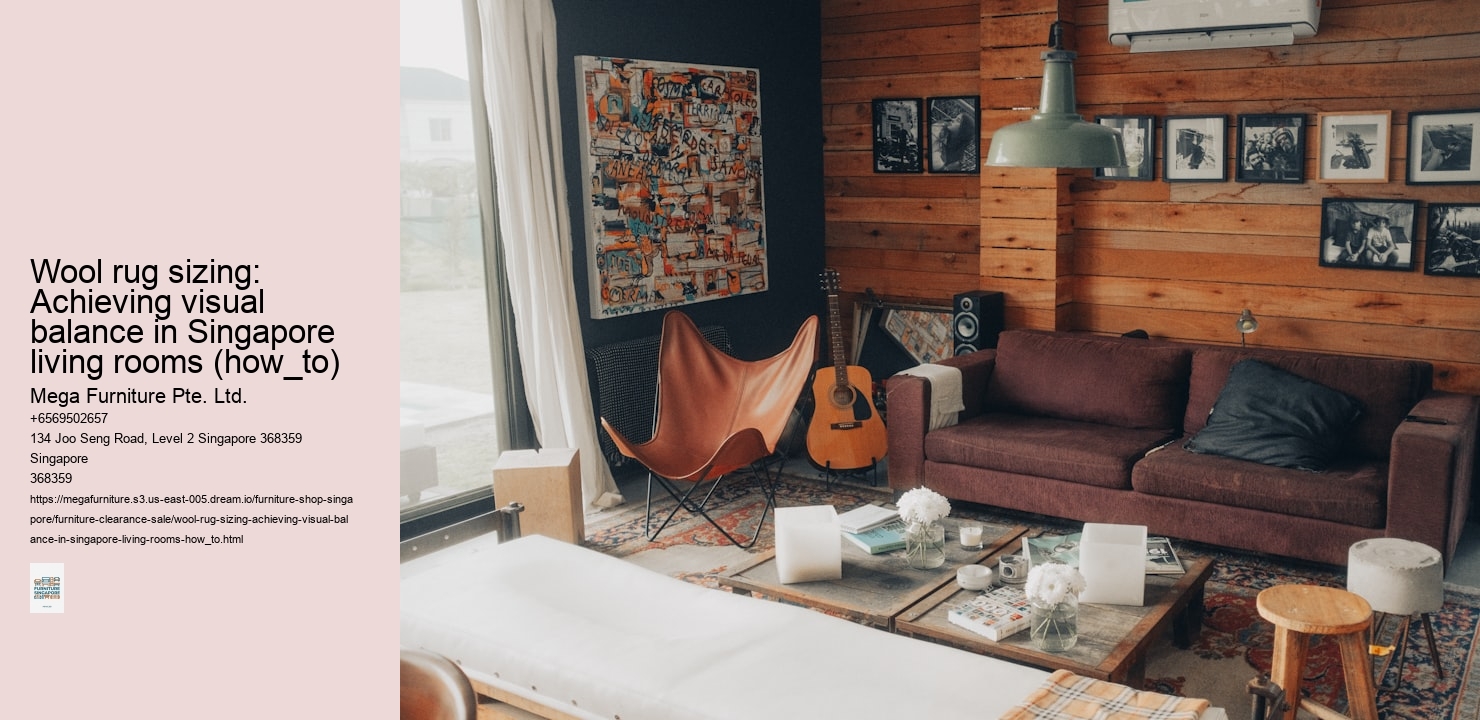
In a typical HDB BTO living room, 12 sqm isn’t just a number — it’s a tightrope walk between functionality and clutter. Most families end up squeezing a three-seater sofa, a coffee table, and a TV console into this space, leaving little room for anything else. A rug here acts as a visual anchor; go too small, and it’ll look like a misplaced doormat. A 200×300cm wool rug, for instance, can frame the seating area without overwhelming the room — though it’s worth noting that larger rugs might require custom cutting to fit awkward layouts.
Condos, with their 15–20 sqm living rooms, offer more breathing space but come with their own challenges. Open-plan layouts often blend dining and living zones, making it tricky to define where one ends and the other begins. A 240×340cm rug can help carve out a distinct seating area, especially if it’s placed partially under the sofa and coffee table. Families with young kids tend to favour softer materials like wool for its durability and ease of cleaning — spills on polypropylene rugs might wipe off faster, but they don’t offer the same warmth underfoot.
Landed properties, with their sprawling living rooms, are a different beast altogether. Here, rugs aren’t just about zoning; they’re about breaking up vast expanses of marble or wood flooring. A 300×400cm rug can anchor a sectional sofa and coffee table, creating a cosy focal point in an otherwise cavernous room. That said, larger rugs come with a heftier price tag — wool rugs in these sizes can easily set you back $1,200 to $2,400, depending on the weave and design.
The key to rug sizing lies in balancing proportion with practicality. Too small, and it’ll look lost; too large, and it’ll dominate the room. For most Singaporean homes, a rug that extends 30–50cm beyond the edges of the sofa strikes the right balance — enough to define the space without encroaching on walkways or dining areas. And while wool rugs are a favourite for their durability and texture, don’t overlook the importance of padding; a good underlay can prevent slipping and add an extra layer of cushioning for kids playing on the floor.
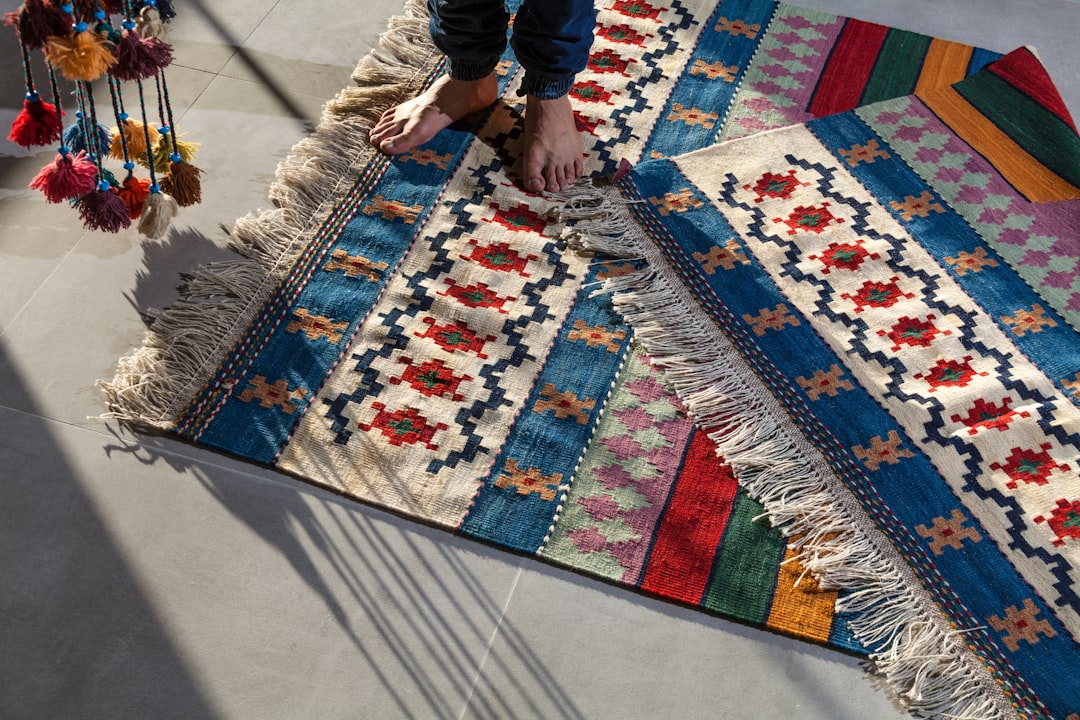
Singapore’s humidity warps plywood and fades synthetics, but wool rugs just shrug. Walk barefoot across one in a Tiong Bahru shophouse at 3pm, and you’ll notice two things: the fibres stay cool despite the heat, and your footsteps don’t echo off the terrazzo. That’s lanolin at work — wool’s natural wax repels spills before they stain, while the dense pile absorbs sound better than polypropylene ever could.
Families with toddlers in Pasir Ris or Punggol BTOs often default to foam play mats, but wool offers a stealth upgrade. Sticky rice or Milo spills wipe off with a damp cloth, and the rug’s natural crimp bounces back after Lego marathons. Unlike flatweave cotton, an 8mm-pile wool rug cushions falls on marble floors — no more hearing that distinctive *tok* when a knee hits tile.
Condensation is the real test. Synthetic rugs in Sentosa Cove villas often develop musty bases by year two; wool’s moisture-wicking fibres dry faster between monsoon seasons. Landed homeowners in Bukit Timah report fewer dust mites too — the fibres naturally resist allergens without chemical treatments. Just avoid direct AC drafts, which can dry out the lanolin over time.
Size matters less than density here. A 160x230cm high-pile wool rug under a sectional sofa absorbs twice the sound of a jute alternative, while still letting the marble perimeter breathe. Go for medium tones if you’ve got kids — the natural flecks in undyed wool hide stains better than flat beige.
Maintenance is simpler than most assume. Quarterly sunning on a Holland Village balcony kills bacteria, and a stiff brush restores flattened pile after heavy furniture. The upfront cost stings, but unlike synthetic blends, a good wool rug outlasts most tenancies.
In 12 sqm HDB living rooms, undersized rugs create a disjointed look — furniture legs straddle the edge, leaving the centre bare. A 240×340cm wool rug typically anchors the seating group better, extending beyond sofa and armchair legs by 30–40cm. For compact layouts, consider a 200×300cm option; it’s smaller but still frames the space effectively. Avoid accent rugs below 150cm in width — they float awkwardly in the room, failing to define zones. Measure your space before buying, leaving at least 30cm of flooring visible around the rug’s edges.
Wool rugs outperform synthetics in humid climates, resisting mould and retaining shape under heavy foot traffic. Polypropylene options might seem practical, but they trap heat and degrade faster in Singapore’s humidity. Jute and cotton blends offer a natural look but stain easily, especially in homes with young children. Wool’s dense fibres provide acoustic insulation, softening echoes in tiled living rooms. While pricier, wool’s durability makes it a cost-effective choice over time.
Mismatched rug styles disrupt minimalist condo interiors — bold tribal patterns clash with sleek, neutral furnishings. Solid-colour wool rugs in beige, grey, or taupe complement Scandi or Japandi aesthetics seamlessly. For heritage shophouse conversions, vintage patterns with muted tones add character without overwhelming the space. Avoid overly busy designs in small rooms; they make the area feel cluttered. Always consider your existing decor palette before selecting a rug.
Wool rugs require regular vacuuming to prevent dirt from embedding deep into fibres — weekly cleaning suffices for most households. Rotate the rug every six months to ensure even wear, especially in high-traffic areas. Spot-clean spills immediately with a damp cloth and mild detergent; avoid soaking the rug, as excess moisture promotes mould growth. Professional cleaning every 12–18 months maintains the rug’s texture and colour. Store wool rugs in a dry, ventilated space if not in use.
Quality wool rugs typically range from $1,200 to $2,400, depending on size and craftsmanship. Allocate 10–15% of your living room renovation budget for a rug — it’s a long-term investment that anchors the space. Cheaper alternatives might tempt buyers, but they often require replacement within 3–5 years. Consider financing options or sales periods for higher-end pieces. Remember, a well-chosen rug elevates the entire room’s aesthetic, making it worth the upfront cost.
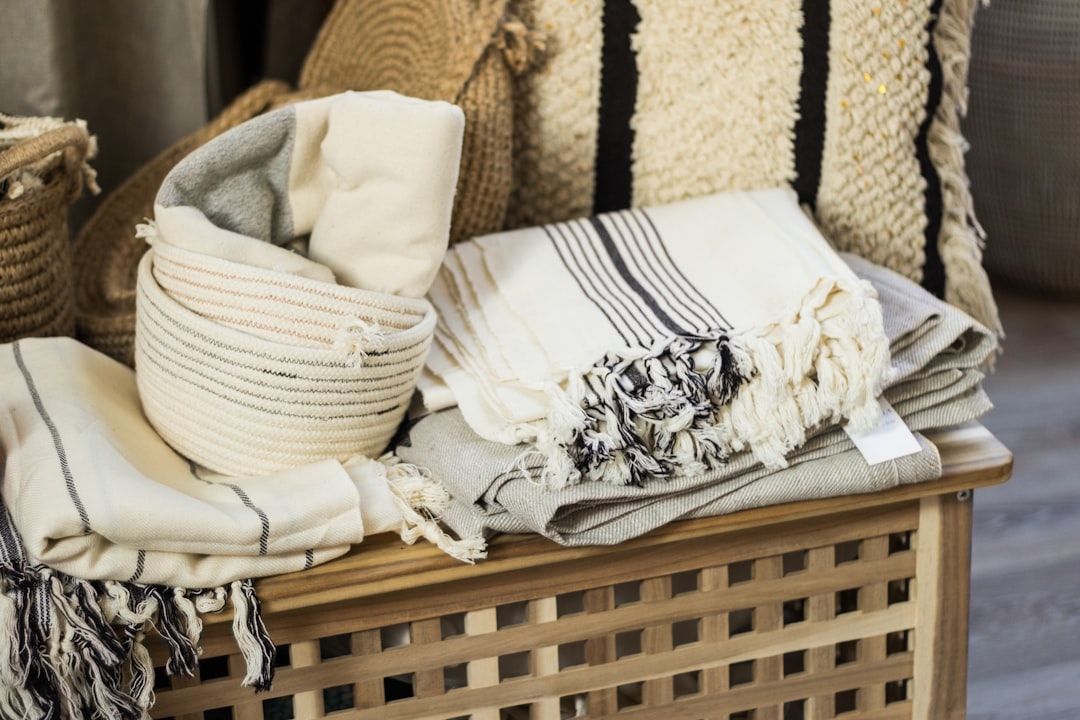
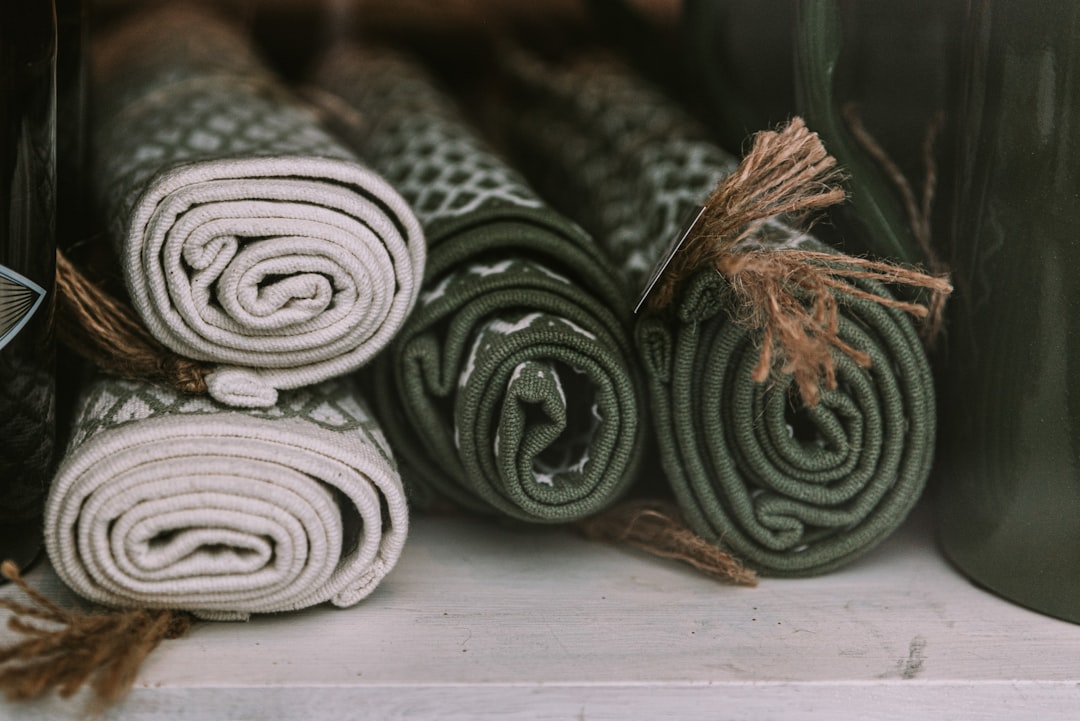
Walking into Megafurniture’s Joo Seng showroom, you’ll notice three rug samples laid out identically—same pattern, different pile heights. The difference isn’t in the photos online; it’s in how your bare feet react to each texture when you pivot from the laminate flooring display to the mock-up of a Tiong Bahru walk-up’s living area. Most buyers underestimate how much a rug’s thickness changes footfall acoustics until they’ve dragged a dining chair across one at the Tampines location. Showrooms let you test real-world scenarios—like whether that 200x290cm wool rug actually fits your sectional sofa’s L-shape, or if the navy chevron pattern turns murky under your north-facing window’s light. You’ll catch details photos miss: the way certain loop piles snag on pet claws, or how a rug’s border aligns (or doesn’t) with your HDB’s floor tiles. It’s the difference between guessing if ‘dusty rose’ matches your feature wall and holding a swatch against it at 3pm daylight. Megafurniture’s displays demonstrate practicalities—like taping off rug dimensions on their mock-up floors so you can visualise clearance between coffee table and TV console. Their staff can explain why a 5mm-thick polypropylene rug works better for wheelchair users in Pasir Ris ground-floor units, while a 12mm hand-knotted wool piece suits Tango flooring in Bukit Timah condos. You’ll leave knowing whether you need non-slip pads for polished porcelain or if that vintage-style rug’s fringe will survive your toddler’s tricycle phase. The Tampines location even lets you unroll full-size options in their ‘test zone’—crucial for judging if that 240x340cm carpet swallows your 4-room BTO’s living area whole. Their
rug accessoriessection demonstrates how gripper tapes react to different backing materials when laid over underfloor heating. It’s one thing to read ‘low VOC’ online; another to kneel on a sample without your sinuses protesting.
Most buyers don’t realise wool rug delivery timelines can stretch to six weeks — especially for custom sizes or imported designs. In Singapore, standard delivery typically takes two to three weeks for in-stock items, but landed homeowners should factor in an extra day or two for assembly. Larger rugs, like 240×340cm pieces, often require professional handling; some suppliers include this in the delivery fee, while others charge separately. It’s worth checking if the team can manoeuvre tight staircases or lift access — a common headache in older HDB blocks or condos with narrow lifts.
Warranties for wool rugs vary widely, usually covering manufacturing defects like uneven dyeing or fraying edges. Most brands offer one to three years, though premium lines may extend to five. Keep in mind warranties don’t cover wear and tear — think flattened pile from heavy furniture or fading from prolonged sun exposure. For families with young children or pets, opt for rugs treated with stain-resistant finishes; they’re not bulletproof, but they’ll buy you time to clean spills before they set.
Assembly for landed homes often involves rolling out the rug and letting it settle — a process that can take a few days, especially in humid weather. Some suppliers recommend using a rug pad to prevent slipping on marble or tile floors, though this might add to the cost. If you’re pairing the rug with a sofa or coffee table, it’s smart to have those pieces in place first — adjusting furniture on a freshly laid rug can stretch the fibres unevenly.
One thing buyers often overlook: storage. If you’re rotating rugs seasonally, keep them rolled and wrapped in breathable fabric — plastic traps moisture and encourages mould. A dry, cool spot like a storeroom or under-bed space works best, though landed homeowners might have more flexibility with spare rooms or attics. Proper storage not only extends the rug’s lifespan but also makes it easier to swap out designs when you’re refreshing your living room layout.
Layer a smaller wool rug over a larger neutral base to add texture and dimension. This approach works especially well in minimalist Singapore interiors, where it introduces warmth without clutter. Stick to complementary tones for a cohesive aesthetic.
In compact Singapore living rooms, choose wool rugs that cover the central seating area without overwhelming the space. A 5x8 feet rug works well for cozy setups, anchoring furniture while leaving floor edges visible. Avoid oversized rugs that make the room feel cramped.
Ensure your wool rug extends at least 6 inches beyond the sofa’s edges for a harmonious look. For dining areas, select a rug large enough to accommodate chairs fully when pulled out. This creates a visually balanced and functional layout.
For a 15 sqm condo living room, the rug should frame your seating area without swallowing the space — aim for 160×230cm if floating furniture, or 200×290cm if anchoring a full sofa set. Leave 30–45cm of flooring visible around edges; any less looks like wall-to-wall carpeting, any more defeats the purpose. Humidity warps natural fibers faster here than in temperate climates — that gorgeous Moroccan shag will develop musty odors within months without proper airflow underneath.
Wool rugs handle Singapore’s humidity better than cotton or jute, but only if you lift and air them quarterly. Skip the baking soda hacks — they’ll just cake in the fibers. Instead, blot spills immediately with a microfiber cloth (never rub), then point a standing fan at the damp spot for two hours. For deep cleaning, professional services charge $80–$120 depending on rug size, but many neighborhood cleaners offer $50 express treatments if you drop it off at their Eunos or Tampines shopfronts.
Common mistake: pairing dark rugs with light floors in sun-drenched spaces. Afternoon glare through balcony windows fades indigo and charcoal tones unevenly — within a year, you’ll see patchy rectangles where the light hits hardest. Medium greys or heathered patterns disguise this better. For high-traffic areas near dining spaces, look for wool blends with 20–30% nylon; they resist curry stains better than pure wool.
Rotate your rug 180 degrees every six months. Not just for even wear — it forces you to vacuum underneath where dust mites congregate. Singapore’s average 84% humidity turns that neglected space into a breeding ground; you’ll know by the faint ammonia scent when lifting the corners. Storage tip: roll never fold, with acid-free paper between layers if keeping it long-term. Most HDB storage rooms leak during monsoon season — wrap in a cotton bedsheet first, never plastic.
The rug that looked perfect in the showroom suddenly feels too small when laid out in your Tampines living room — a common miscalculation when eyeballing dimensions against HDB floorplans. For 12–20 sqm spaces, subtract 60cm from each wall to find your ideal rug size; that 200×300cm Moroccan shag rug might leave awkward bare floor gaps when your L-shaped sofa needs anchoring.
Pet owners quickly learn the difference between stain-resistant and stain-proof. Polypropylene rugs survive toddler spills and cat hairballs, but feel plasticky underfoot — wool blends offer better acoustics for condo dwellers, though they’ll need quarterly deep cleaning. The best compromise? A low-pile wool-nylon mix with Crypton treatment, hiding paw prints between vacuum sessions.
Singapore’s minimalist trends demand restraint. That tribal pattern rug from your Bali holiday throws off the entire living room’s cohesion; solid charcoal or oatmeal tones work better with marble floors and neutral sofas. Exception: a single bold geometric rug can define the space in open-concept lofts, provided it echoes other angular elements like track lighting or console tables.
Budget-conscious buyers often regret skimping on underlay. A proper rug pad prevents slips on polished tiles and adds cushioning — crucial for elderly parents or kids who play on the floor. The extra $150–$300 seems steep until you’re constantly straightening a bunched-up corner.
Megafurniture’s Joo Seng showroom lets you unroll full-size samples to test proportions. Their staff will tell you straight which designs show dirt fastest — useful honesty when you’re choosing between a creamy bouclé weave and a practical grey herringbone.
" width="100%" height="480">Wool rug sizing: Achieving visual balance in Singapore living rooms (how_to)