Wool rugs in Singapore’s humid climate can turn into a sneeze-inducing trap — especially in 12 sqm HDB master bedrooms or condos with limited airflow. Humidity amplifies allergens trapped in wool fibres, making them a potential irritant for sensitive noses or skin. Families with young children, who often sprawl on the floor, might find this particularly troublesome.
Managing moisture is key. A dehumidifier in the bedroom or living room can keep humidity levels around 50% — the sweet spot for minimising allergen buildup. Many homeowners opt for compact models that fit neatly beside a bed or sofa, costing anywhere from $200 to $500. Pair this with regular vacuuming using a HEPA filter, and you’ll keep allergens at bay without sacrificing the rug’s warmth or texture.
Wool’s natural breathability helps, but it’s no match for Singapore’s relentless dampness. Some buyers choose synthetic blends or cotton rugs, which are less prone to trapping allergens. Still, wool’s durability and aesthetic appeal often win out — especially in homes with marble or tile flooring where a plush rug adds much-needed comfort.
It’s worth noting that even with dehumidifiers and cleaning, wool rugs in high-humidity areas might need occasional professional deep cleaning. Services typically cost around $100 to $200, depending on rug size and material. For families with allergies, this extra step can make all the difference.
That new 240×340cm wool rug in your Tiong Bahru condo’s living room might be the culprit when your toddler starts rubbing their eyes after playtime. Wool allergies often manifest as persistent sneezing, red patches on skin that’s touched the fibres, or wheezing sounds during naps — reactions that typically disappear when the child moves to a cotton-covered playmat or polypropylene rug. Diagnosis isn’t always straightforward; some kids react to lanolin (wool’s natural oil), while others respond to dust mites clinging to the dense pile. Try vacuuming the rug twice weekly with a HEPA filter — if symptoms persist despite reduced dust, it’s likely the material itself. Swapping to hypoallergenic alternatives doesn’t mean sacrificing texture. Flatweave cotton rugs in solid colours or geometric patterns offer similar visual zoning for 4-room BTO living spaces, minus the itch factor. For high-traffic areas, polypropylene blends withstand juice spills better than wool anyway — though they’ll never develop that same patina over time. One telltale sign parents miss? Reactions that flare up during carpet time but vanish at childcare centres, where most use synthetic mats. It’s why paediatricians recommend a two-week trial: roll up the wool piece, observe if rashes clear, then decide whether to
browse the optionsfor something gentler. The irony is that wool’s prized durability — lasting decades in landed homes — becomes a liability when allergies surface. That 12 sqm space might just need a washable rug that can survive both playdates and immune systems.
Wool rug cleaning frequency: Balancing aesthetics and hygiene (how_to)
Many buyers skip reading rug labels, focusing only on colour and texture. Wool blends, while durable, often contain allergens that irritate sensitive skin — especially problematic in homes with young children or allergy sufferers. Synthetic fibres like polypropylene offer hypoallergenic alternatives, though they lack wool’s natural feel. Always check labels for material composition; it’s not just about aesthetics but long-term comfort and health. This oversight often leads to returns or replacements, adding unnecessary cost and hassle.
Choosing a rug that’s too small or too large is a common misstep in living room layouts. A 240×340cm rug might overwhelm a 4-room HDB living room, while a 90×150cm accent rug can look lost in a landed property’s spacious hall. Measure your seating area first; the rug should extend slightly beyond your sofa and coffee table. In many homes, a 200×300cm rug strikes the right balance between defining the space and maintaining proportion. Don’t eyeball it — use a tape measure to avoid costly sizing mistakes.
Certifications like OEKO-TEX or Greenguard ensure rugs meet safety and sustainability standards, yet buyers often overlook them. These labels guarantee the absence of harmful chemicals, crucial for homes with pets or kids who spend time on the floor. Non-certified rugs, especially budget options, may off-gas volatile organic compounds (VOCs) that affect indoor air quality. Always verify certifications before purchase; it’s a small step that impacts your home’s health and environmental footprint. Skipping this check can lead to regrets down the line.
Patterned rugs add visual interest but can clash with existing décor if not chosen carefully. Tribal designs might overwhelm minimalist spaces, while solid colours can feel bland in eclectic interiors. Consider your room’s existing palette and furniture styles before committing to a pattern. In many homes, a subtle geometric or tonal design works best, blending seamlessly without overpowering the space. Test samples in your room’s lighting to avoid surprises — patterns can look drastically different under natural versus artificial light.
High-maintenance rugs, like pure wool or natural fibres, often end up neglected in busy households. Wool requires regular vacuuming and professional cleaning to maintain its texture and prevent matting. Synthetic alternatives, though easier to care for, may lack the same luxurious feel. Think about your lifestyle — if you’re pressed for time, opt for low-maintenance materials that still suit your aesthetic. Ignoring maintenance needs can shorten a rug’s lifespan, turning what should be a long-term investment into a short-lived purchase.
Lanolin (a natural wax in wool), dust mites, and mold spores are frequent culprits. Low-quality wool rugs may harbor more irritants due to inadequate processing. Regular vacuuming and sunlight exposure can reduce allergen buildup.
Synthetic fibers like nylon or polyester mimic wool’s texture without triggering allergies. Bamboo or cotton rugs are also gentler for sensitive individuals. Always check for chemical treatments that might cause reactions.
Wool rug allergies often manifest as sneezing, itchy eyes, or skin rashes due to lanolin or dust mites trapped in fibers. Symptoms may worsen in humid environments where allergens thrive. Identifying these reactions early helps differentiate them from other allergies.
Use HEPA-filter vacuums and anti-allergen sprays to minimize irritants. Professional deep cleaning every 6–12 months removes embedded allergens. Isolate the rug in low-traffic areas if symptoms persist.
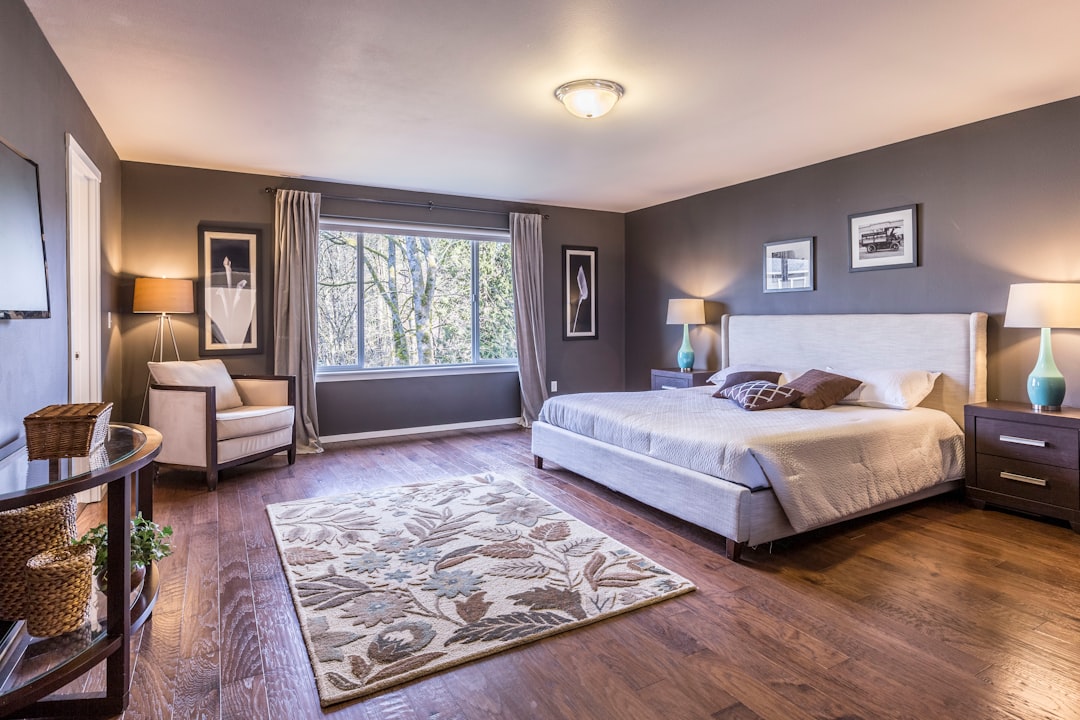
In an 8 sqm HDB BTO bedroom, wool rugs can be both a blessing and a curse. They add warmth and texture, but they’re also magnets for dust mites and allergens — especially in Singapore’s humidity. Weekly vacuuming isn’t just a suggestion; it’s a necessity to keep sneezes at bay. Opt for a vacuum with a HEPA filter, which traps particles instead of recirculating them back into the air.
Air purifiers are another non-negotiable in compact spaces. They work quietly in the background, pulling allergens like pollen, pet dander, and dust out of the air. In a small bedroom, a unit with a CADR rating of 150–200 is usually sufficient; anything larger might feel overkill. Place it near the bed for maximum impact, but avoid corners where airflow is restricted.
Wool rugs are often chosen for their durability and natural feel, but they require more maintenance than synthetic alternatives. If allergies are a concern, consider pairing them with a hypoallergenic rug pad. It’s a small addition that can make a big difference, especially for families with young children who spend time playing on the floor.
Finally, don’t overlook ventilation. Even in a compact space, opening windows for 10–15 minutes daily can help reduce indoor allergen buildup. Pair this with regular cleaning, and you’ll find that managing allergies in a small home isn’t as daunting as it seems.
The Tampines showroom’s rug section feels like a tactile playground — but it’s not just about running your fingers over plush textures. Families with young kids or allergy-prone members should focus on wool rugs’ potential triggers. Test them by pressing your palm firmly into the pile; if it leaves a faint itch or redness, that’s a red flag for sensitivity. Wool’s natural fibres can trap dust mites and pet dander, which might flare up allergies in smaller spaces like 4-room BTO living rooms.
Synthetic blends, on the other hand, often feel cooler and smoother underfoot — a practical choice for Singapore’s humidity. They’re easier to clean, too, resisting stains from spilled kopi or curry better than wool. But don’t dismiss wool entirely; its durability and sound-dampening qualities make it a favourite in landed homes with marble floors. The key is to compare both materials side by side, noting how they feel against bare skin and how they react to light spills.
Bring a damp cloth or tissue to the showroom — it’s a quick way to test stain resistance without making a mess. Dab it lightly on the rug’s surface; wool tends to absorb moisture faster, while synthetics repel it. For families with pets or toddlers, this small test can save headaches later. Also, check the rug’s backing; a non-slip latex base is essential for high-traffic areas like HDB corridors or open-concept living rooms.
Finally, consider the rug’s pile height. Low-pile options, around 0.5cm, are easier to vacuum and less likely to trap allergens. High-pile rugs, though luxurious, can be a magnet for dust and require more maintenance. It’s worth spending a few extra minutes kneeling down — yes, in the showroom — to see how the rug feels under your knees or palms. After all, that’s how your kids or pets will experience it daily.
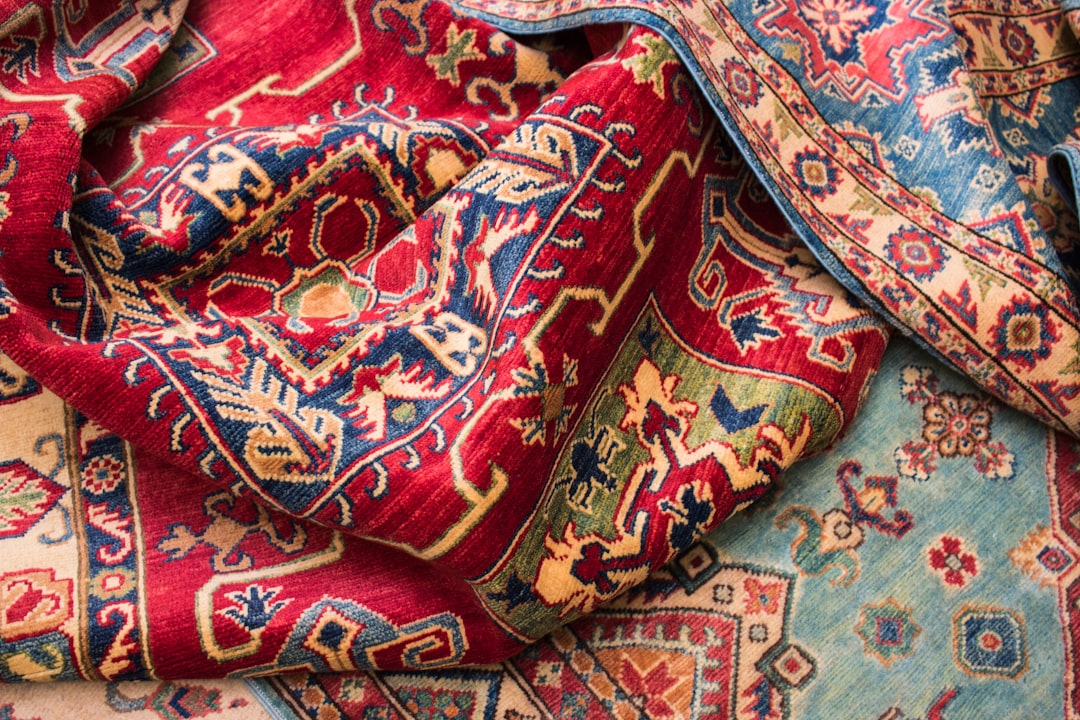

Delivery day for a new rug often feels like the final touch to a living room refresh — until you realise it’s shedding fibres or triggering sneezes. Opting for anti-allergen cleaning during delivery can make a noticeable difference, especially in homes with young kids or pets. This pre-treatment removes dust mites, pollen, and other irritants that linger in new rugs, ensuring a cleaner start. It’s a small add-on that pays off in the long run, particularly for wool rugs, which naturally trap more allergens.
Maintenance is where many buyers underestimate the effort. Weekly vacuuming with a beater bar attachment helps, but rotating the rug every six months prevents uneven wear — especially in high-traffic areas like the centre of a 4-room BTO living room. Spills should be blotted, not scrubbed, to avoid pushing stains deeper into the fibres. For pet owners, hypoallergenic options with stain-resistant finishes are worth considering, as they’re easier to clean and less likely to trap dander.
Warranties can be a lifesaver, especially for pricier rugs. Some retailers offer coverage for pet-friendly or hypoallergenic designs, protecting against premature wear or manufacturing defects. It’s a safeguard worth checking, particularly if you’re investing in a statement piece for your condo’s open-plan layout.
Finally, don’t overlook the importance of underlays. A good-quality pad not only extends the rug’s lifespan but also prevents slipping on marble or wood floors — a common hazard in landed homes. It’s a practical addition that enhances both safety and comfort.
Families in Singapore often hesitate over wool rugs — they’re warm, durable, and add texture to a living room, but what if they trigger asthma? Wool itself isn’t inherently allergenic; it’s the dust mites, pet dander, and pollen trapped in the fibres that cause issues. For homes with asthma sufferers, regular cleaning is key — vacuuming twice a week with a HEPA filter can reduce allergens significantly.
Can wool rugs be cleaned thoroughly enough to minimise allergens? Yes, but it takes effort. Professional deep cleaning every six months is recommended, especially for larger rugs in high-traffic areas like a 4-room BTO living room. Spot cleaning spills immediately helps prevent mould, which can exacerbate respiratory issues. Avoid harsh chemicals; opt for mild detergents or specialised wool cleaners to preserve the rug’s integrity.
What about alternatives? Synthetic rugs like polypropylene are easier to clean and less likely to harbour allergens, but they lack the natural warmth and texture of wool. For families set on wool, choosing a low-pile rug over a shaggy one reduces the surface area where allergens can accumulate. Pairing it with a rug pad also helps prevent slipping and makes cleaning underneath easier.
In many Singapore homes, wool rugs become focal points — think a 240×340cm piece anchoring a marble-floored living room. With proper care, they don’t have to be a health hazard. It’s about balancing aesthetics with practicality, especially in humid climates where dust mites thrive.
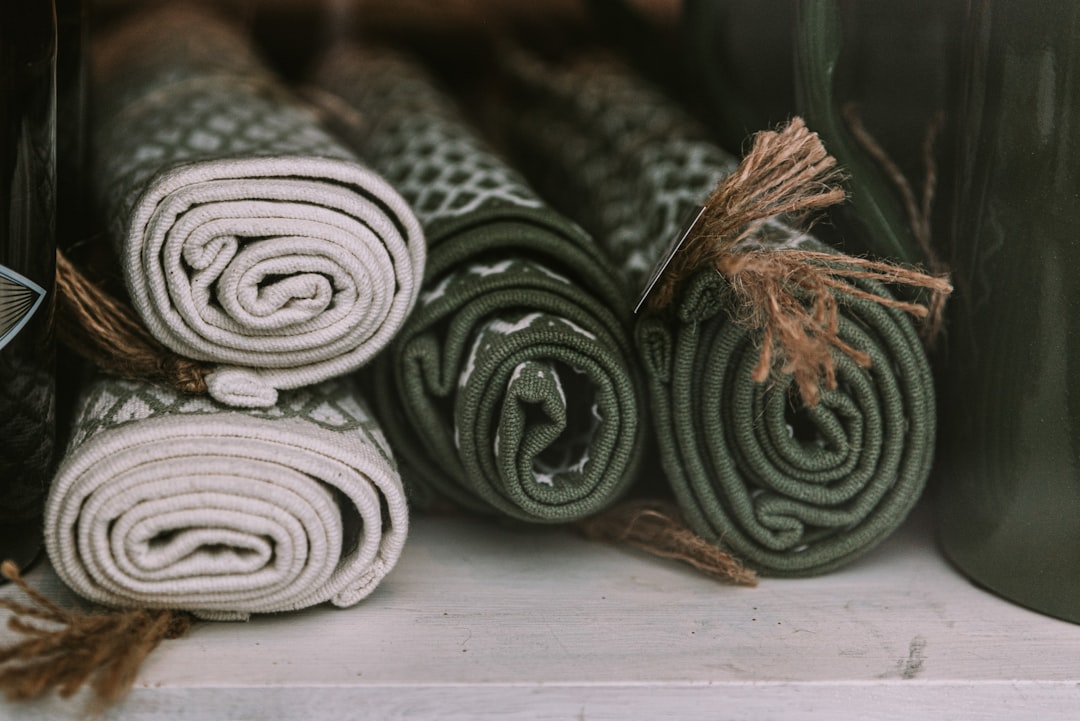
In landed homes, where spaces often stretch across multiple floors, balancing aesthetics with health considerations becomes a quiet but crucial decision. Families with young children or elderly members frequently prioritise slip-resistant materials — low-pile wool rugs, for instance, offer both safety and durability without compromising on texture. Polypropylene, a synthetic alternative, is gaining traction for its hypoallergenic properties and ease of cleaning; it’s particularly practical in homes prone to spills or pet accidents.
Colour and pattern choices matter more than you’d think. A neutral-toned rug in taupe or grey can anchor a room without overwhelming it, while subtle geometric patterns add visual interest without clashing with existing decor. For landed homes with marble or tile flooring, rugs also serve as acoustic buffers — a 240×340cm wool rug in the living room, for example, can soften the echo of footsteps across expansive spaces.
Maintenance is another key factor. Wool rugs, though luxurious, require regular vacuuming and occasional professional cleaning to prevent dust mites and allergens from accumulating. Polypropylene, on the other hand, is machine-washable and dries quickly, making it a low-maintenance option for busy households. Families with allergies often lean toward synthetic blends for their ease of care and resistance to mould.
Budget plays a role, too. A high-quality wool rug typically ranges from $1,200 to $2,400, while polypropylene alternatives can cost as little as $300 for a similar size. For landed homes, where larger rugs are often necessary, the investment can feel significant — but it’s worth prioritising materials that align with both lifestyle and long-term health needs.