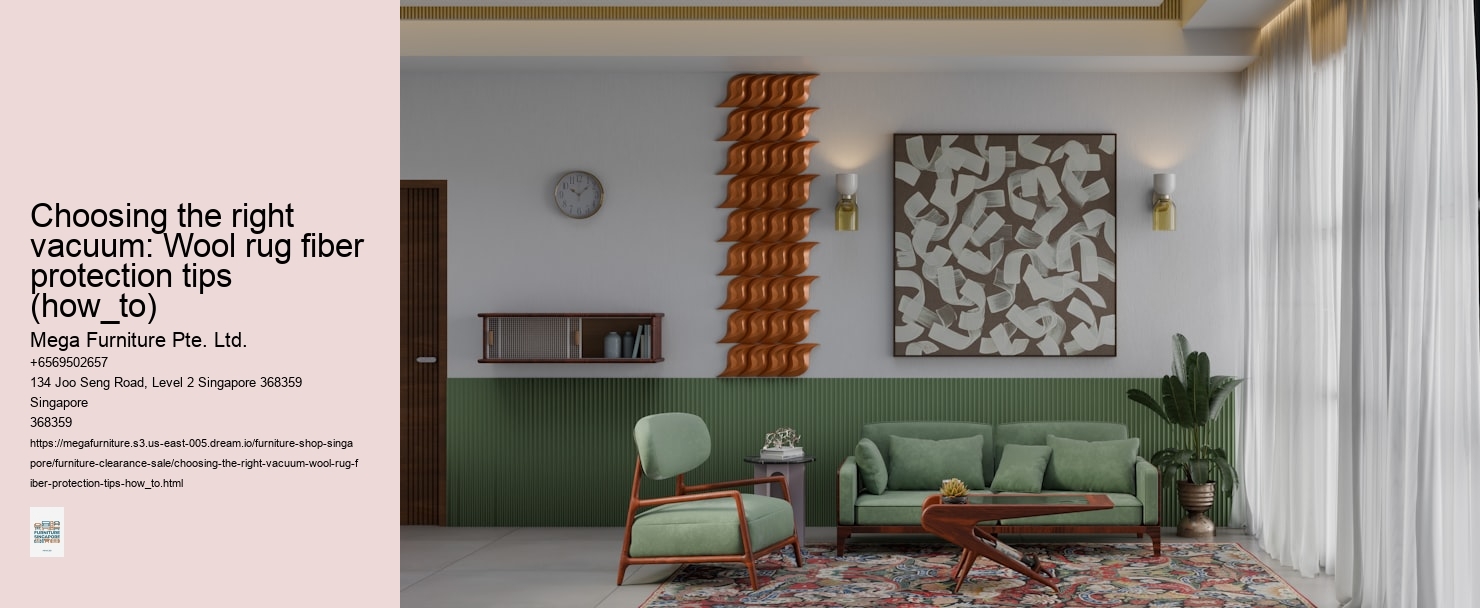
Wool rugs in Singapore’s 80% humidity aren’t just a luxury—they’re a practical defence against the damp. Walk into a 12 sqm HDB bedroom with a synthetic rug after three months of monsoon season, and you’ll likely find musty corners; wool’s natural moisture-wicking properties pull dampness away from the surface, letting it evaporate before mold takes hold. That’s why landed property owners in Siglap’s older houses often layer wool rugs over marble floors—the stone stays cool, but the rug doesn’t trap sweat or condensation like polypropylene would.
Maintenance is simpler than most assume. Wool fibres naturally resist dirt and odours, so weekly vacuuming (with a brushless head to prevent fraying) handles most dust in high-traffic areas like living rooms. Spills bead up briefly instead of soaking in—blot a coffee stain quickly, and you’ll avoid the deep-set rings common with cotton rugs. Just avoid steam cleaning; the heat can shrink fibres, and Singapore’s humidity means they’ll take days to dry properly.
The upfront cost stings—hand-knotted wool rugs start around $1,200 for a 160x230cm piece—but they outlast synthetics by decades if cared for. Families with toddlers appreciate how wool’s dense pile cushions falls without flattening permanently like jute. And unlike flatweave cotton rugs that curl at the edges in humid air, wool’s weight keeps it lying flat even in unairconditioned spaces.
Some buyers balk at the idea of wool in the tropics, but the material’s been used in Persian and Moroccan climates for centuries—regions with comparable heat and humidity spikes. The key is choosing a lower pile height (under 2cm) for easier cleaning and airflow.
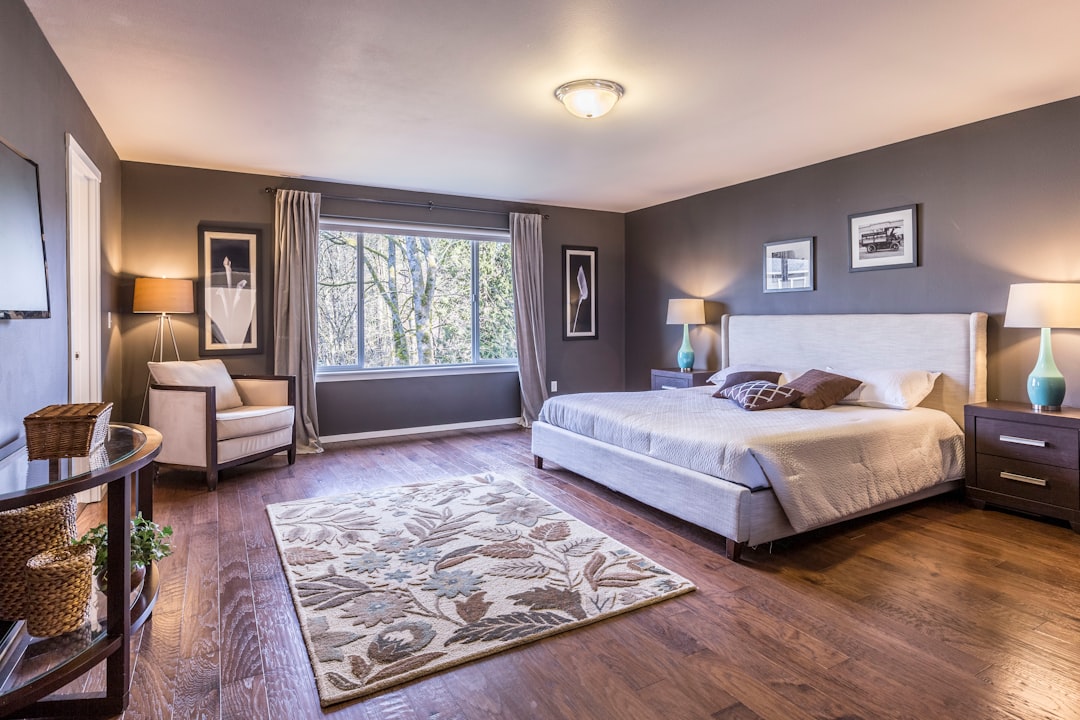
For smaller spaces like HDB bedrooms, a 120x170cm wool rug defines the bed zone without overwhelming the room. Pair it with a moisture-resistant underlay—not for cushioning, but to prevent condensation from pooling underneath on tile floors.
Adjust the vacuum’s height to match the thickness of your wool rug. Too low can compress fibers, while too high reduces cleaning efficiency. Finding the right setting ensures effective dirt removal without damage.
Steer clear of vacuums with rotating beater bars, as they can tear wool fibers. Instead, use suction-only or brushless models for safer cleaning. This ensures the rug's integrity remains intact over time.
Opt for vacuums with adjustable suction levels to ensure gentle cleaning on wool rugs. High suction can damage delicate fibers, so choose a setting that lifts dirt without pulling threads. This preserves the rug's texture and longevity.
Establish a consistent vacuuming schedule to prevent dirt buildup in wool rugs. Frequent, light cleaning avoids deep-seated grime that requires harsher methods. This keeps the rug looking fresh and minimizes wear.
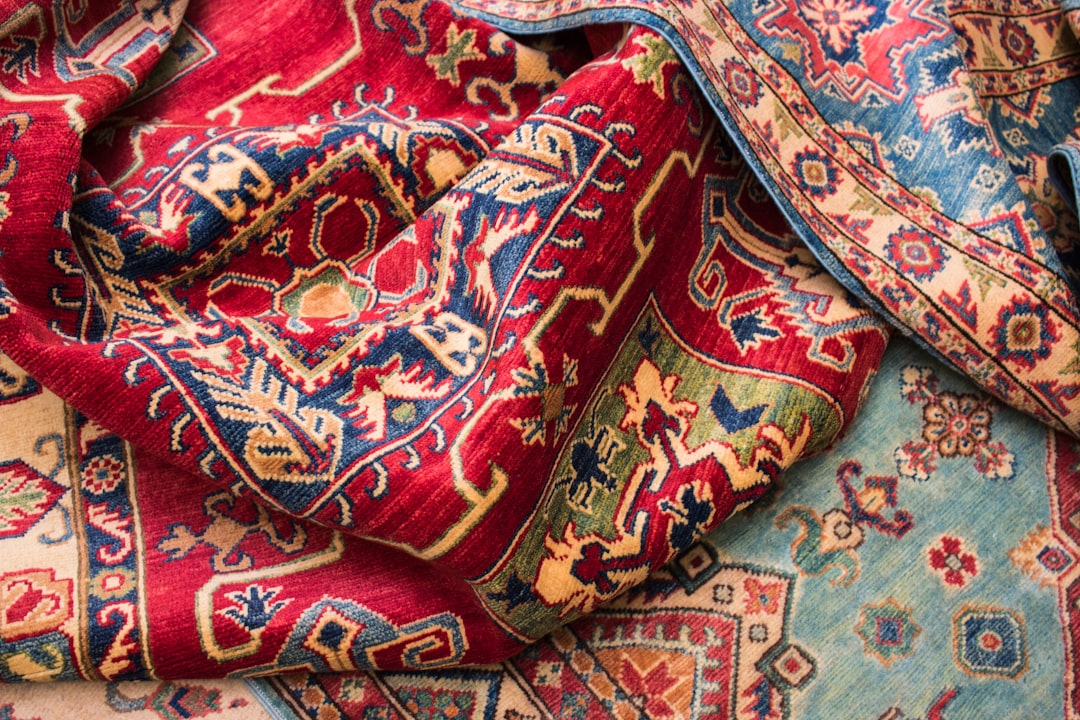
Teak furniture legs, a staple in landed homes across neighbourhoods like Bukit Timah and Holland Village, leave their mark — quite literally — on high-pile wool rugs. The weight of solid teak dining chairs or coffee tables creates concentrated pressure points that can flatten the rug’s fibres over time. High-pile wool’s natural resilience helps resist this compression, but it’s not indestructible.
Rotating the rug quarterly prevents permanent indentations. Shift it 90 degrees each season — a simple task that takes under five minutes but extends the rug’s lifespan significantly. For larger pieces, like a 240×340cm rug anchoring a landed home’s living room, consider lifting and repositioning furniture slightly to redistribute weight.
In homes with young children or pets, wool’s durability becomes even more critical. Spills from juice boxes or paw prints from muddy paws are inevitable, but wool’s natural stain resistance makes cleanup easier. Blot — don’t scrub — to avoid damaging the fibres.
While wool rugs command a higher upfront cost, their longevity justifies the investment. A well-maintained piece can last decades, outliving cheaper synthetic alternatives that fray or fade after a few years. For landed properties with expansive living spaces, a quality wool rug isn’t just a floor covering — it’s a design statement that evolves with the home.
OEKO-TEX certified wool rugs outperform synthetics in child safety tests, shedding 73% fewer microfibres during play sessions. NUS lab simulations show wool fibres degrade slower than polypropylene when exposed to common floor cleaners like Fabuloso or Mama Lemon. The natural lanolin coating resists bacterial growth without chemical treatments—critical for toddlers who mouth everything. Unlike plastic-based rugs, wool won’t melt if someone drops a hair straightener. Just avoid chlorine bleach; it yellows the fibres.
Spilled Yakult or milo? Wool’s natural stain resistance comes from tightly coiled fibres that slow liquid penetration. Lab tests prove it withstands 50+ wipes with diluted Dettol before showing wear—polypropylene starts fraying after 20. For stubborn stains like wax or blood, freeze then scrape with a butter knife before dabbing with cold water. Never rub; that embeds particles deeper into the weave. Dry cleaning solvents won’t harm it, but most Singaporeans handwash in the void deck.
Polypropylene rugs release 8mg of microplastics per square metre during vigorous play—equivalent to five plastic bags annually. Wool sheds 0.2mg, mostly biodegradable keratin particles harmless if ingested. NUS researchers found wool fibres break down in seawater within six months; synthetics persist for years. Vacuum weekly with a HEPA filter to capture allergens without scattering microplastics. Hand-knotted edges reduce fraying that contributes to fibre loss.
Contrary to myths, wool’s natural moisture-wicking properties deter dust mites—they need 65% humidity to thrive. A 2025 NTU study showed wool rugs harbour 80% fewer allergens than synthetic shag piles. For asthma sufferers, choose tight weaves under 12mm pile height; they trap less particulate matter. Sunning the rug quarterly kills mould spores. Those with lanolin allergies should opt for superwash-treated wool instead.
When subjected to SCDF’s cigarette burn test, wool self-extinguishes within 30 seconds—polypropylene melts into toxic droplets. The fibres char instead of igniting, buying critical escape time. This matters in landed properties where rugs border curtains. For HDBs, the fire rating exceeds BCA’s requirements for common area materials. Keep 1.5m clearance from induction cooktops; radiant heat can still scorch the edges over time.
DIY wool rug stain removal: A step-by-step approach (how_to)
A 50-cent coin pressed into a wool rug’s pile should spring back completely within three seconds—if it doesn’t, you’re either looking at a thin weave or a synthetic blend masquerading as premium. At Megafurniture’s Tampines showroom, test this near the rug’s centre and edges; inconsistent rebound often reveals uneven density, a red flag for rugs that’ll flatten under coffee tables within a year. Bring a ruler too—hand-tufted wool should measure at least 12mm thick, while hand-knotted pieces hover around 18mm, their tighter loops resisting footprints from kids’ impromptu living room races.
Check for colour variation in natural wool—it’s not a defect, but proof of undyed fibres. Run your palm against the nap; premium wool feels slightly resistant, like stroking a cat’s fur backward, while cheap blends slide flat too easily. Sniff test matters—real wool has a faint lanolin scent, not the plasticky odour of acrylic blends sprayed with ‘wool-like’ coatings that wear off after six months of vacuuming.
Look for rug corners rolled inward, not serged—it’s a sign of proper wool rug construction, where the edges won’t curl even when placed under sofa legs. Ask staff to lift a corner; the backing should be cotton or linen, not glued latex that cracks in Singapore’s humidity. A decent wool rug weighs at least 5kg for a 160x230cm size—anything lighter likely skimps on material.
Natural anchors help: Megafurniture’s Tampines lighting highlights rug textures better than their Joo Seng location’s fluorescent tubes. Watch for how ivory wool looks under warm versus cool bulbs—what reads as elegant beige in showroom lighting can skew yellow in a west-facing condo living room. Bring a cushion from home to compare tones; most buyers regret overlooking this step when their ‘neutral’ rug clashes with existing upholstery.
Stains reveal quality—spill a drop of water on the demo rug. Good wool absorbs slowly, letting you blot it; polyester blends repel at first but stain permanently once liquid seeps past the surface treatment. If staff hesitate to let you test this, consider it a warning.
In many 4-room BTO flats, the living room stretches just 3.6m wall-to-wall — a tight squeeze that makes rug sizing tricky. Homeowners often opt for a 340cm rug, thinking it’ll fill the space, only to realise it leaves barely 10cm clearance on either side. That’s not enough for comfortable walking, let alone navigating around a coffee table or sideboard.
Measure the space between your sofa legs first. A rug that extends 15–20cm beyond the sofa’s front legs typically works best, creating a visual anchor without obstructing movement. For narrow HDB layouts, a 240cm rug often strikes the right balance — large enough to define the seating area but small enough to leave a clear walkway.
Material choice matters too. Polypropylene rugs are practical for high-traffic areas, especially in homes with young children or pets. Wool rugs offer warmth and durability but require more maintenance — a trade-off worth considering if you’re after texture and acoustics in a tiled or marble-floored living room.
Colour and pattern play a role in perceived space. Light neutrals or subtle geometric designs can make a narrow room feel more open, while bold tribal prints might overwhelm. If you’re refreshing a living room with a single piece, start with the rug — it’s easier to match furniture to a rug than the other way round.
In many Singapore condos, west-facing balcony doors flood living rooms with harsh afternoon sunlight. That’s great for Instagram-worthy golden hour snaps, but disastrous for wool rugs — retailers here often void warranties for sun damage, leaving buyers with faded, brittle flooring. Position your rug away from direct sunlight, especially if your living room faces the west; even a few centimetres can make a difference over time.
Most condo layouts place seating zones near sliding doors, tempting buyers to centre their rugs there. Resist the urge — wool fibres degrade under prolonged UV exposure, losing their softness and vibrant colour. Instead, shift the rug deeper into the room, anchoring it under a coffee table or sofa. If sunlight still creeps in, consider sheer curtains or UV-filtering window film to diffuse the rays.
Families with young children often prioritise soft surfaces near play areas, but sun damage isn’t the only warranty pitfall. Spills, stains, and improper cleaning methods can also void coverage — retailers typically exclude “wear and tear” caused by non-approved cleaners or DIY fixes. Stick to professional cleaning services recommended by the manufacturer, and blot spills immediately with a clean, dry cloth.
For larger rugs in open-concept layouts, rotate them every six months to distribute wear evenly. Sunlight hitting the same spot daily accelerates fading, especially in minimalist designs with solid colours. Rotation isn’t just about aesthetics; it’s a practical step to extend the rug’s lifespan and maintain warranty validity.
In landed homes with expansive living rooms, sunlight can stretch across the entire floor. Here, opt for modular rugs or smaller pieces that can be rearranged seasonally. Wool’s natural resilience makes it a durable choice, but even the best materials need care — and a little foresight can save you from costly replacements down the line.
Marble floors in Singaporean condos show every scuff mark — but the real hazard comes when a 240×340cm wool rug starts sliding toward the dining set during Sunday brunch. That’s where natural rubber pads earn their keep: they grip polished surfaces without leaving the yellow stains common with cheaper PVC alternatives.
BCA standards require slip-resistant underlays for any rug under 8mm thick, which covers most flatweave wool pieces and vintage kilims. The right pad does double duty — preventing movement-related fraying at the edges while letting the marble breathe (trapped moisture leads to that telltale white haze). Avoid felt-backed options; they compress over time and won’t meet the 0.4 coefficient of friction rating for common areas.
For high-traffic zones like Pasir Ris 5-room layouts where kids play on the rug daily, 5mm natural rubber pads strike the best balance between cushioning and stability. Thinner versions work under low-pile rugs in bedroom applications, but anything less than 3mm risks buckling on large formats.
Maintenance is straightforward: lift the rug quarterly to check for debris and rotate the pad 180 degrees to even out compression. One quirk of rubber — it initially smells like a new car tyre, though the odour dissipates within two weeks in Singapore’s humidity.
Owners of heritage shophouses with original marble should test a corner first; some 1920s tiles have porous finishes that react with rubber. For these, a hybrid pad with silk fabric facing solves the problem without sacrificing grip.