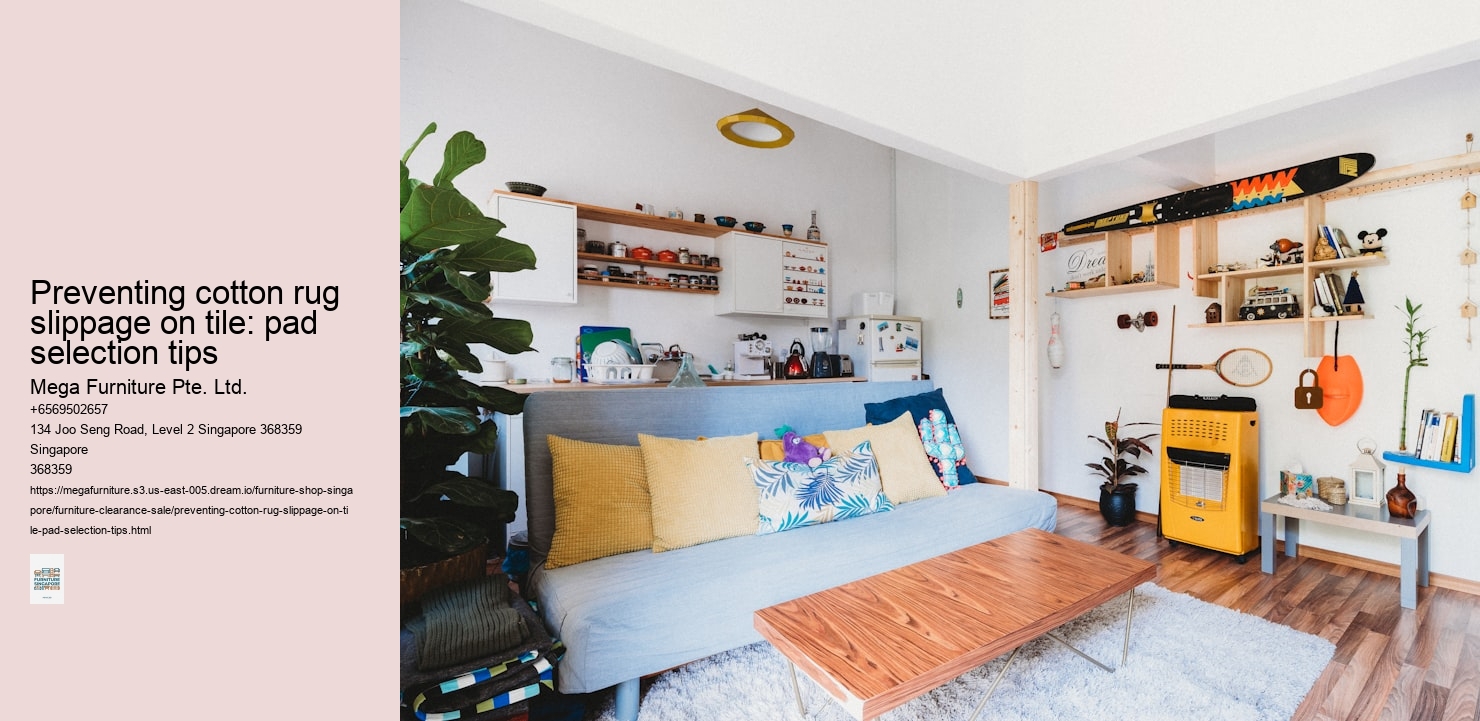
A queen bed in a 12 sqm HDB bedroom leaves about 60cm clearance on either side—just enough for nightstands if you skip the bulky frames. That’s where 160×230cm rugs work harder than their smaller counterparts; they tuck neatly under the bed’s foot while still showing 30cm of border along the sides. Condo living rooms fare better with 200×300cm sizes—large enough to anchor a L-shaped sofa without swallowing the coffee table whole.
Cotton rugs under S$400 dominate Singaporean listings for good reason—they’re machine-washable, lightweight enough to air-dry on balcony railings, and come in fade-resistant prints from Peranakan motifs to Scandinavian stripes. The trade-off? They’ll slide on polished tiles unless you invest in a 3mm natural rubber pad (around S$25 at neighbourhood hardware stores). Wool blends grip better but demand professional cleaning—a tough sell when most homeowners replace rugs every 3–5 years anyway.
Megafurniture’s throws-and-cushions collection pairs well with neutral rugs, letting you rotate accent colours seasonally without redoing the entire floor plan. Their Joo Seng showroom lays out full rug dimensions in masking tape on actual flooring—helpful when visualising how a 180×250cm piece will fit between your TV console and dining set.
Small-space dwellers often default to 90cm round rugs, but rectangular 120×180cm versions actually maximise usable surface. They create visual pathways in narrow corridors while still framing armchairs or console tables. For high-traffic areas like entryways, look for flatwoven cotton with bound edges—the 1.2cm thickness won’t trip toddlers but withstands shoe dirt better than shag piles.
Bedroom rug rules bend for platform beds. Since there’s no need to accommodate bed legs, you can go 20cm narrower and spend the savings on higher-pile textures. Just ensure any pattern aligns parallel to the bed—diagonal stripes make 3m rooms feel like trapezoids.
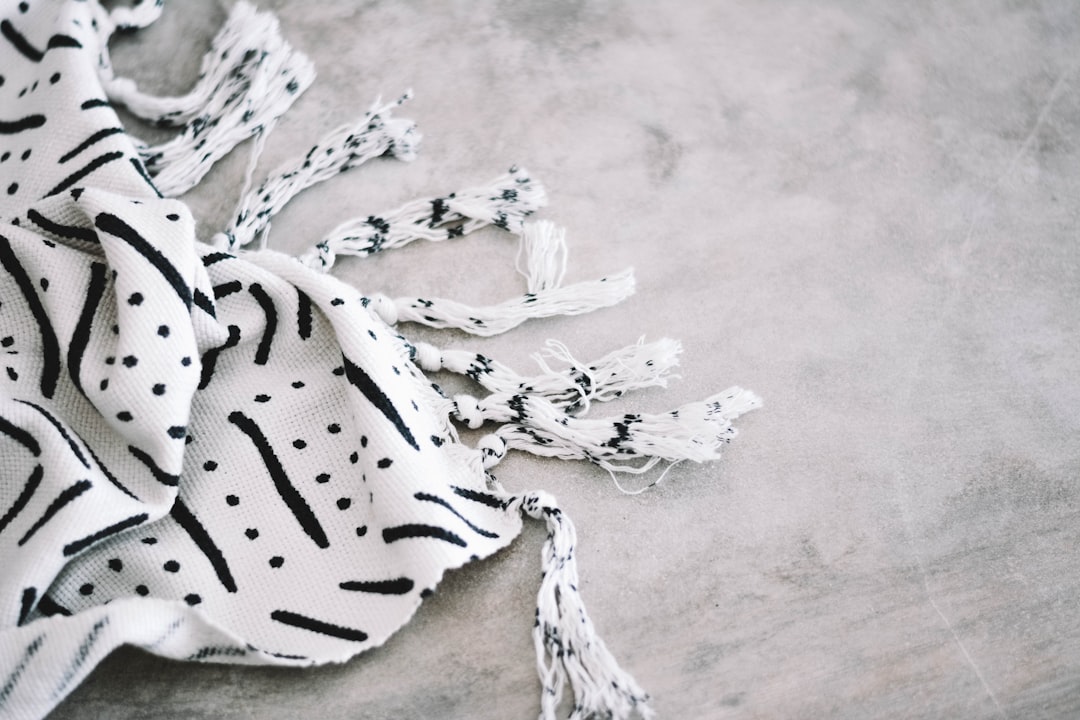
In Singapore’s humidity, a rug pad that traps moisture can turn your living room into a breeding ground for mildew — and latex-backed pads are the worst offenders. They cling to dampness, leaving a musty smell that lingers even after airing out the room. PVC or polypropylene options, on the other hand, resist moisture buildup; they’re practical choices for HDB flats and condos where humidity hovers around 80% year-round.
Non-slip rubberized bases are a must for tile or marble floors, especially in homes with kids or elderly family members. They keep rugs firmly in place, even when humidity makes surfaces slick. Cork pads, though less common, offer an eco-friendly alternative that’s naturally resistant to mould — though they’re better suited for dry areas like bedrooms or study nooks.
Felt pads might seem like a soft, cushy option, but they’re prone to swelling in Singapore’s climate. Over time, they lose their grip and can even warp, leaving your rug uneven and prone to slipping. For a 4-room BTO living room with a cotton rug, it’s worth investing in a pad that can handle the moisture without compromising on stability or comfort.
Cotton rugs in Singapore's 85% humidity need weekly vacuuming to prevent dampness settling into fibres. Rotate them quarterly—more often near balcony doors or AC vents where condensation pools. Dehumidifiers help, but avoid direct blasts that stiffen cotton strands. Spot-clean spills immediately with microfiber cloths; wet patches left overnight risk mildew stains. For landed properties with tiled floors, silica gel packets under rug corners absorb ground moisture silently.
UV rays bleach cotton's natural dyes within months on uncovered east-facing windows. Sheer curtains diffuse light while preserving rug colours in condos with floor-to-ceiling glass. Rotate rugs 180 degrees every monsoon season to equalise sun exposure—especially crucial for vintage indigo-dyed pieces. North-facing HDB units fare better, but afternoon glare from Marina Bay reflections still demands vigilance. Consider UV-filtering window films if your rug sits in permanent sunlight.
Never steam-clean cotton rugs—the heat shrinks fibres and warps shapes irreversibly. Instead, mix lukewarm water with two drops of mild detergent, blotting stains gently outward from the centre. For kopi-o spills in family homes, sprinkle baking soda before dabbing to neutralise acidity. Always dry flat on balcony railings rather than hanging, which stretches the weave. Professional cleaning every 18 months prevents ground-in dirt from breaking down cotton's structure.
Bare marble or polished tiles turn cotton rugs into slip hazards during rainy seasons. Opt for natural rubber mesh underlays—they grip better than PVC pads in humidity and won't discolour floors. Cut them 5cm smaller than your rug to prevent visible edges in open-plan layouts. For high-traffic areas like corridor-style living rooms, double-sided carpet tape at corners survives weekly washing. Landed homes with outdoor-indoor flow need extra adhesive strips near entryways.
Roll—never fold—cotton rugs during monsoon redecorating to avoid permanent creases. Wrap in acid-free paper, not plastic, to prevent trapped moisture encouraging mould in storage rooms. Cedar blocks repel silverfish better than mothballs in Singapore's heat. Before reinstalling stored rugs, air them on balcony railings during low-humidity mornings. For compact HDB flats, vacuum-seal bags compress seasonal rugs thin enough to slide under beds.
That faint sliding sound when you step off a cotton rug? It's the pad losing grip—usually because someone grabbed whatever was cheapest at the neighbourhood hardware store. For tile floors, thickness matters more than you'd think: 3mm waffle-weave pads work under flat-woven cotton rugs in condos, but plush styles need 5mm to prevent bunching near doorways.
Marble tiles demand texture—look for pads with diamond-grid patterns or micro-suction dots. In landed homes where tiles run cooler, anti-skid certifications like Germany's DIN 51130 (tested on polished stone) outperform generic rubber backings. The best test? Place the rug near an aircon vent for 48 hours; if corners lift, upgrade the pad.
Families with toddlers should skip PVC-backed options—they yellow over time and trap crumbs. Instead, try natural rubber blends with jute reinforcement, which stay put even when little ones drag toys across them. Most showrooms keep sample tiles to test grip; bring your rug's corner to check for slippage before buying.
For rugs under dining tables, consider dual-layer pads: 2mm felt topped with 3mm silicone grips. They compress when chairs move but regain shape between meals. Just avoid going thicker than 5mm—it creates a tripping hazard at edges.
Megafurniture's Joo Seng showroom stocks anti-slip pads sized for common rug dimensions, including those awkward 120×180cm living room pieces that never quite fit anywhere. Their 5mm textured version works particularly well with marble-effect porcelain tiles common in newer BTOs.
The Megafurniture showrooms at Joo Seng and Tampines solve what online rug shopping can't — testing how cotton pile behaves underfoot before it slides across your tiles. Their staff don't just measure rooms; they'll kneel down with you to demonstrate how different rug pads affect movement on polished porcelain. You'll see the difference between waffle-weave and felt-backed grips immediately — one demo unit even simulates how rugs creep when kids sprint across them. Cotton rugs need more friction than wool — their tighter weave glides easier on smooth surfaces. Megafurniture's team matches pad thickness to your rug's weight, factoring in everything from 8mm condo tiles to 60cm pile shags. They'll point out where warranties void if you use the wrong underlay, a detail most buyers overlook until their rug bunches near the sofa. Showroom visits reveal practical quirks: how dark cotton fades faster in west-facing HDB living rooms, why lighter weaves show fewer vacuum marks, which edges curl first under ceiling fans. Their Somnuz® mattress line uses similar natural fiber expertise — you're getting textile advice from specialists who understand how Singapore's humidity affects materials. Browse their
rug pad collectionafter testing samples against your shoe soles; that's how you'll feel the 200gsm vs 400gsm density difference. Most buyers fixate on rug patterns, then regret skimping on the pad. At Megafurniture, they'll unroll a dozen options across their tile demo floor — you'll leave knowing exactly which combination won't send your coffee table sliding during CNY visitation.
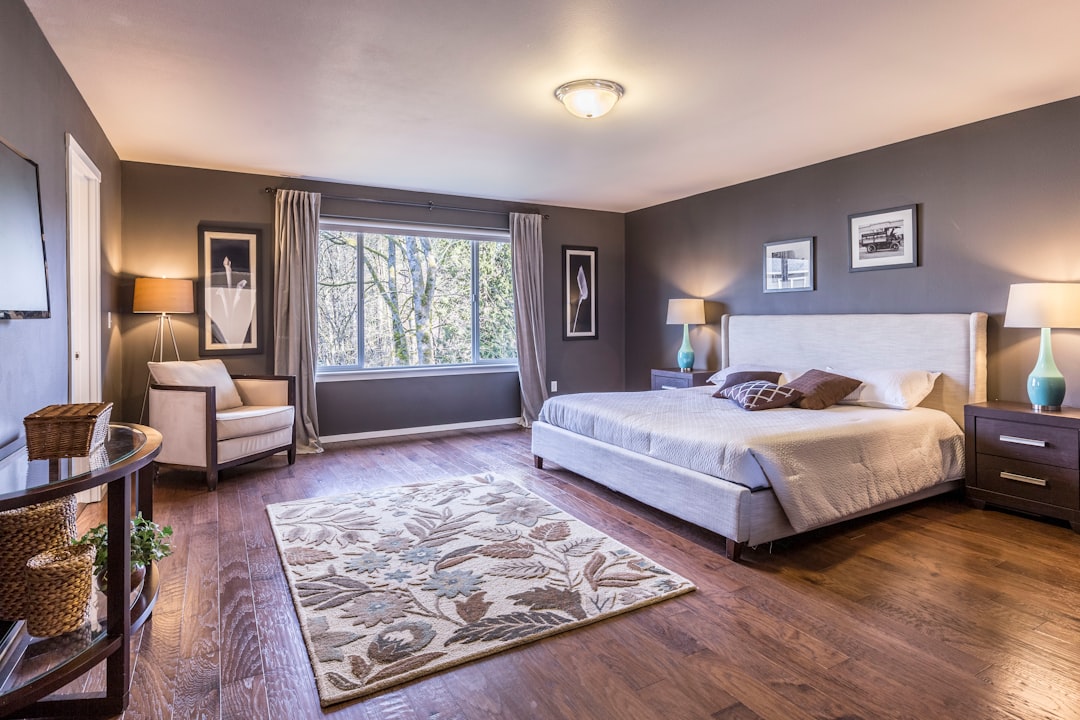
That moment when you've unboxed the new sectional, rearranged the living room twice, and only then notice the sofa arm blocks the bathroom door—classic Singapore flat maths. Door clearance isn't just about width; it's the arc. A typical HDB main door swings 90° on 0.9m hinges, needing 15cm clearance for the handle. Bedroom doors often graze 5cm-thick rugs when opened fully.
Non-slip rug pads add 3–8mm height most buyers forget to factor in. In corridor-heavy layouts like Joo Seng's older flats or Tampines's narrow BTOs, even a 2cm pile-up from pad+rug can make doors scrape. Test with a stack of A4 paper (5mm per 100 sheets) before committing.
Rug placement gets trickier with console tables behind sofas—common in 4-room layouts where the living area abuts the entrance. Leave 60cm walkways minimum, but account for door swing radii first. Many homeowners centre rugs under coffee tables only to realise they've created a trip zone when doors open outward.
The worst offenders are L-shaped sectionals in open-plan condos. That extended chaise might look perfect until you're sidestepping past it every morning with an armful of laundry. Measure the actual path you take to the balcony, not just the static furniture arrangement.
Megafurniture's showrooms keep demo units on actual flooring samples for this reason—you'll see immediately if that 240cm rug leaves enough tile exposed for smooth door operation. Their Joo Seng location even has mock HDB door frames installed at precise 0.9m widths.
Marble floors in landed properties around Bukit Timah show microscopic scratches after five years — not from foot traffic, but from rug pads with abrasive backings. Non-slip doesn’t have to mean destructive: felt or natural rubber bases protect surfaces while keeping cotton rugs anchored, especially in high-traffic zones like condo living rooms where kids drag toys across the floor.
Dense pads absorb sound better, but there’s a trade-off. A 10mm-thick memory foam pad under a 240×340cm rug in a Tampines EC living room can dampen chair scrapes and toddler footsteps — though ultra-thick options may create tripping hazards at edges. For most HDB layouts, 3–5mm is the practical sweet spot.
Pet owners often overlook pad materials until the Labrador starts chewing. Natural rubber resists teeth better than PVC, and unlike synthetic blends, won’t leach plasticisers onto marble over time. Look for OEKO-TEX certification if your shiba inu treats every new rug like a chew toy.
Irregular spaces — say, a curved balcony in a Pinnacle@Duplex unit — don’t require custom cuts. Pre-cut rug pad kits with geometric shapes (hexagons, interlocking rectangles) can be pieced together beneath round or L-shaped rugs, avoiding the need for exact measurements. Just mind the gap: overlapping edges create lumps underfoot.
The right pad extends a rug’s lifespan by redistributing pressure. A cotton kilim over marble in a Bishan terrace house will fray at the corners within months without one — but with proper cushioning, it’s the difference between replacing every two years or lasting through primary school ballet recitals.
A rug pad’s lifespan often surprises homeowners—that thin layer under your cotton rug endures more abrasion than the rug itself. Test for tear resistance by gripping opposite corners and pulling firmly; quality pads won’t stretch or fray at the edges. Binding matters most where pads meet high-traffic zones: doorways, sofa fronts, and dining chair legs.
Yellowing signals oxidation, not dirt. Polyurethane backings degrade faster in humid flats near Eunos or Bedok’s coastal air—check under rug corners quarterly. Replace when the pad loses grip or leaves marks on tiles. Budget for pad replacement every second rug rotation; a 240×340cm cotton rug typically needs refreshing every 3–5 years.
Thickness isn’t durability. A 2mm natural rubber pad outlasts 8mm felt in HDB corridors where sliding shoes grind fibres thin. For landed homes with marble floors, opt for woven jute with latex dots—the open weave prevents moisture trapping.
Watch for pad migration. A shifting pad wrinkles rugs faster than foot traffic. If your 90×150cm accent rug drifts more than 5cm weekly, the pad’s surface grip has worn unevenly. Temporary fixes like double-sided tape accelerate wear—better to replace.
Durability tests don’t require special tools. Drag a dining chair across the pad—if it bunches instead of staying flat, the non-slip coating has degraded. Pads should survive this test at least 200 times before failing. That’s about two years of weekly vacuuming in a four-room BTO.
Choose a medium-thickness pad (1/4 inch) to balance cushioning and slip resistance. Textured surfaces on the pad’s underside enhance traction on smooth tile. Thinner pads may lack grip, while overly thick ones can create tripping hazards. Test the pad’s stability by walking on the rug after placement.
Regularly clean both the rug and pad to prevent dust buildup, which reduces friction. Rotate the rug occasionally to distribute wear and maintain even pressure on the pad. Replace the pad if it shows signs of flattening or loss of adhesion. Proper care ensures lasting slip prevention without compromising the rug’s integrity.
Opt for natural rubber or felt pads to prevent cotton rugs from sliding on tile. These materials provide grip without damaging floors or rug fibers. Avoid PVC-backed pads, as they can leave residue or discolor tiles over time. Ensure the pad is slightly smaller than the rug for a secure fit.