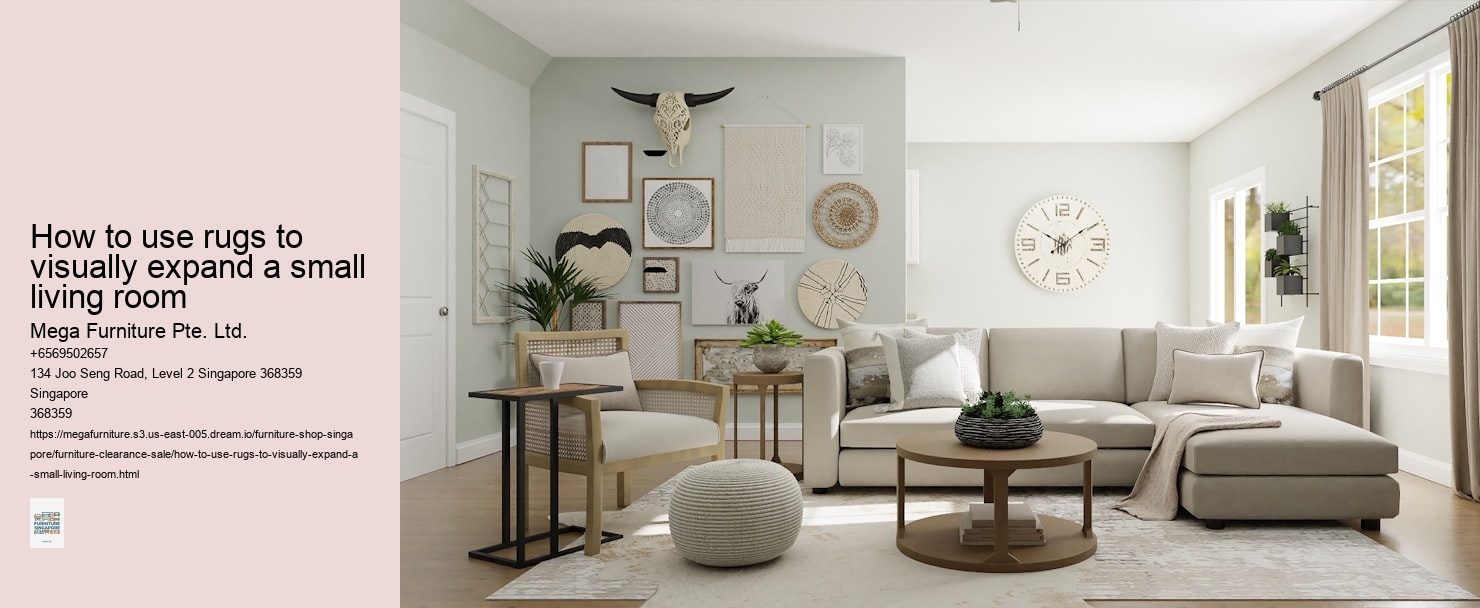
In a 12 sqm HDB living room, a rug that’s too small floats like an island — disconnected from the furniture, leaving awkward gaps of bare flooring. Too big, and it swallows the space, making the room feel cramped. A 240×340cm rug works best in open-plan layouts, anchoring the seating area and defining zones without overwhelming the floor space. It’s large enough to tuck under the front legs of a sofa and extend beyond the coffee table, creating a cohesive look.
For tighter layouts, a 160×230cm rug fits neatly under a standard three-seater sofa, leaving just enough room for a side table or armchair. This size balances proportion without crowding the edges; it’s practical for families who need a soft surface for kids to play on. Avoid shag rugs in Singapore’s humidity — they trap moisture and dust, making them a nightmare to maintain. Low-pile polypropylene, on the other hand, resists mould and stains, making it a smarter choice for flats prone to dampness.
Colour and pattern matter too. Light-toned rugs visually expand the room, while bold patterns can overwhelm if the design clashes with existing furniture. A minimalist solid colour or subtle geometric print often works best in compact spaces, adding texture without competing for attention. And don’t forget the underlay — a non-slip pad keeps the rug in place, especially on smooth tiles or marble floors.
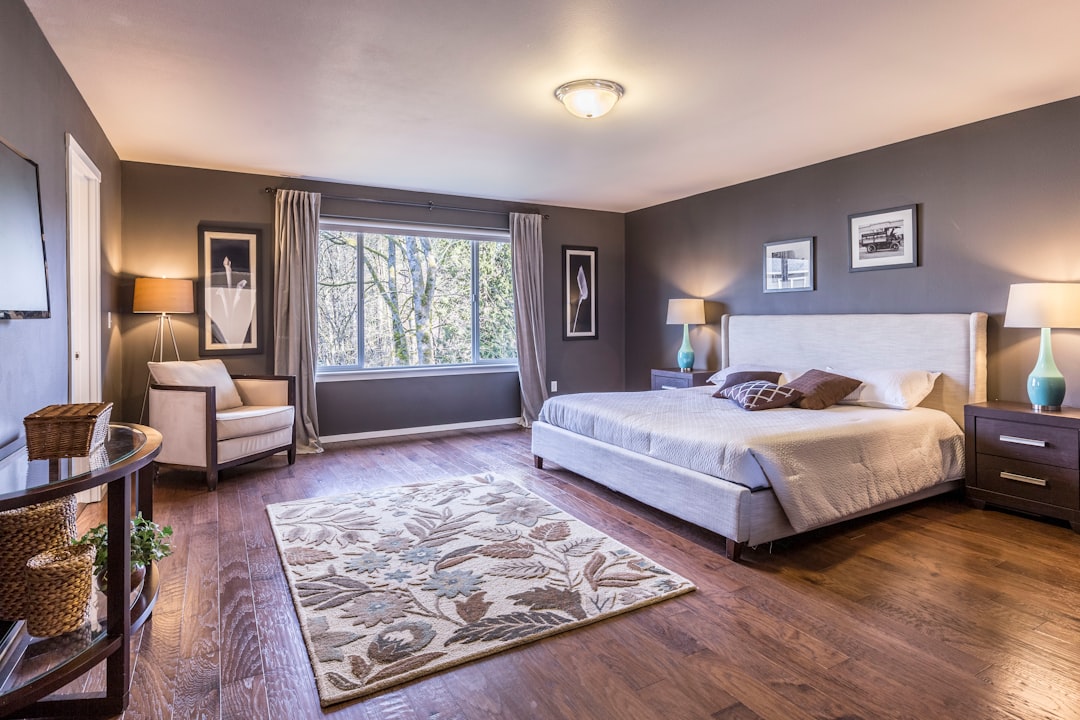
Placement is key. Centre the rug within the seating area, ensuring it extends at least 15cm beyond the sofa’s front legs. This creates a cohesive zone without cutting off the rest of the room. For smaller rugs, align them with the coffee table instead, letting them act as a focal point rather than trying to cover too much ground.
In Singapore’s humid climate, wool rugs often double as dust mite traps—a dealbreaker for families with asthma-prone kids. While wool’s natural fibres lend warmth and durability, they’re less practical for homes with high foot traffic or limited ventilation. Synthetic blends, on the other hand, handle balcony-to-living room transitions with ease; they’re resistant to moisture and stains, making them a favourite for condo dwellers with open-concept layouts.
Jute’s earthy texture adds a natural touch, but it’s prone to discolouration under AC condensation. In fully air-conditioned landed properties, it’s a viable option—elsewhere, it’s a risky choice. Polypropylene rugs, though less luxurious, offer a budget-friendly alternative that’s easy to clean and maintain, especially in homes with young children or pets.
For families prioritising hypoallergenic materials, cotton rugs strike a balance between softness and practicality. They’re lightweight, easy to wash, and less likely to harbour allergens, though they may wear faster in high-traffic areas. In many HDB flats, synthetic blends or polypropylene rugs dominate—they’re durable, affordable, and suited to Singapore’s climate.
Material choice often boils down to lifestyle. A landed property with consistent AC can afford jute or wool, while a condo with kids and pets might lean towards synthetic blends. The rug’s role in the room—whether it’s a statement piece or a functional layer—also influences the decision.
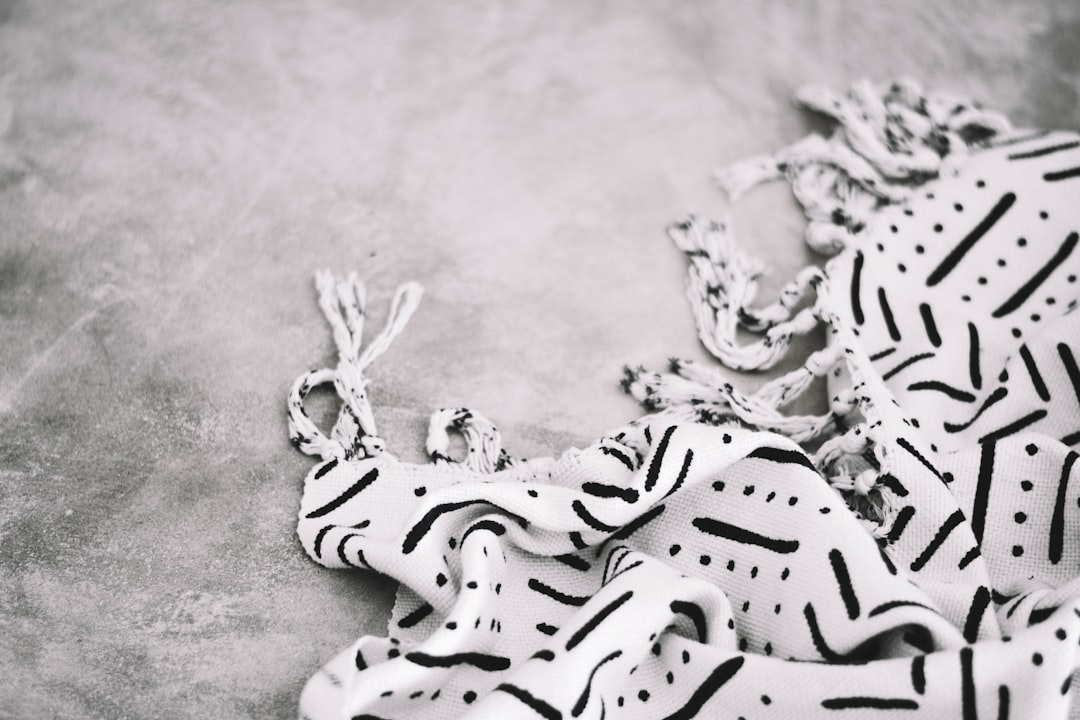
Vertical stripes on rugs work wonders in narrow HDB corridors — they draw the eye upward, creating an illusion of height and space. Opt for neutral tones like soft grey or beige to maintain a clean, uncluttered look. Pairing striped rugs with minimalist furniture keeps the focus on the pattern’s elongating effect. Avoid overly bold colours, which can overwhelm smaller spaces. In many homes, this simple trick transforms cramped walkways into visually expansive areas.
Solid-coloured rugs in navy or charcoal add depth without overwhelming compact rooms. These darker tones anchor the space, making it feel cohesive and grounded. For 12 sqm HDB bedrooms, a solid rug under the bed softens the floor while maintaining visual simplicity. Avoid busy patterns, which can make small spaces feel chaotic. This approach works particularly well in L-shaped condos, where unity across zones is key.
Light-coloured rugs, like cream or pale blue, reflect natural light and make small living rooms feel airier. In 4-room BTO flats, they complement marble or tile flooring by adding warmth without heaviness. Pair with sheer curtains to maximise brightness throughout the day. Light tones also hide stains better than white, making them practical for families with young children. This subtle choice ensures the room feels larger without sacrificing functionality.
Geometric rugs with clean lines and balanced proportions create order in open-concept layouts. Opt for designs with subtle contrasts — too much variation can fragment the space. In condos with hard flooring, a geometric rug defines seating areas while maintaining flow between zones. Stick to muted palettes for a modern, cohesive look. This approach works well in homes where visual zoning is essential.
Textured rugs, like jute or wool, add dimension without overwhelming small spaces. Their tactile quality softens hard flooring while maintaining a neutral backdrop for furniture. In 14 sqm rooms, a textured rug under a coffee table adds warmth without visual clutter. Avoid overly plush textures, which can make compact areas feel smaller. This subtle layering technique enhances comfort without sacrificing style.
Opt for rugs in light or neutral tones like beige, cream, or soft gray. These colors reflect light and create an airy feel, making the space appear larger. Avoid dark or overly bold patterns that can overwhelm the room.
Add a smaller, textured rug on top of a larger one to introduce depth without clutter. This technique adds visual interest while maintaining a spacious feel. Stick to complementary colors to keep the look cohesive and balanced.
Place the rug parallel to the longest wall to emphasize the room’s length. This placement draws the eye outward, creating the illusion of more space. Avoid centering the rug if it disrupts the flow of the open-concept layout.
The Joo Seng showroom’s rug section has a coffee station for a reason — staff encourage buyers to test spill resistance on sample swatches, watching how wool sheds liquid while polypropylene locks it in. That’s useful for landed homeowners with marble floors, where a misjudged material choice means stains seeping into grout lines. Pile height matters more than most realise. An 8mm rug floats atop concrete like a bathmat, doing little to soften footfall noise in condos; the 12mm options absorb sound properly, though they’ll snag more crumbs from kids’ snack sessions. Bring room dimensions — staff routinely help BTO owners navigate awkward alcoves, suggesting runner placements for 2.4m-wide corridors or layering small rugs under console tables in 4-room flats. Their rug pads solve a uniquely Singaporean problem: humidity-induced buckling. The non-slip versions grip polished tiles even when aircon cycles between 22°C and monsoon-season dampness. For open-plan layouts, they’ll unroll multiple sizes so you can visualise how a 200×300cm rug defines a seating zone without swallowing up the dining area. One quirk — the showroom’s lighting highlights texture differences brutally. A jute rug that looks earthy under LED downlights might read as scratchy and yellow in an HDB’s warm-white ceiling fixtures. They keep swatches by the windows for daylight checks. The real test comes when you kneel on samples. A rug that feels plush underfoot can dig into knees during playtime; staff know which synthetics bounce back fastest after Lego marathons. Browse their
rug collectionmidweek when there’s space to unroll full sizes without dodging weekend crowds.
Polished marble floors in landed homes look stunning but can turn into a hazard zone for toddlers — especially in corners where they’re prone to crawl or stumble. A rug with non-slip latex backing solves this neatly, keeping the piece firmly in place even on slick surfaces. Flatwoven cotton is a practical choice for families; it’s durable enough to withstand arts-and-crafts spills and easy to clean with a damp cloth, unlike plush rugs that trap stains.
OEKO-TEX certification is non-negotiable for nurseries. Infants spend hours on the floor, and rugs treated with harmful chemicals can pose health risks. Look for labels that guarantee the absence of toxic substances — crucial for peace of mind in a 9 sqm space where kids play, nap, and explore.
Cotton rugs also offer a minimalist aesthetic that complements modern interiors without overwhelming small rooms. They’re lightweight, making them easy to shake out or rotate for even wear. In many homes, they double as a soft play surface, especially in open-concept layouts where the living room blends into the nursery.
For added safety, ensure the rug lies flat without curling edges — a tripping hazard for little ones. Regular vacuuming keeps it free of dust mites, while spot cleaning handles minor spills before they set. It’s a balance of practicality and style, designed to grow with the family.
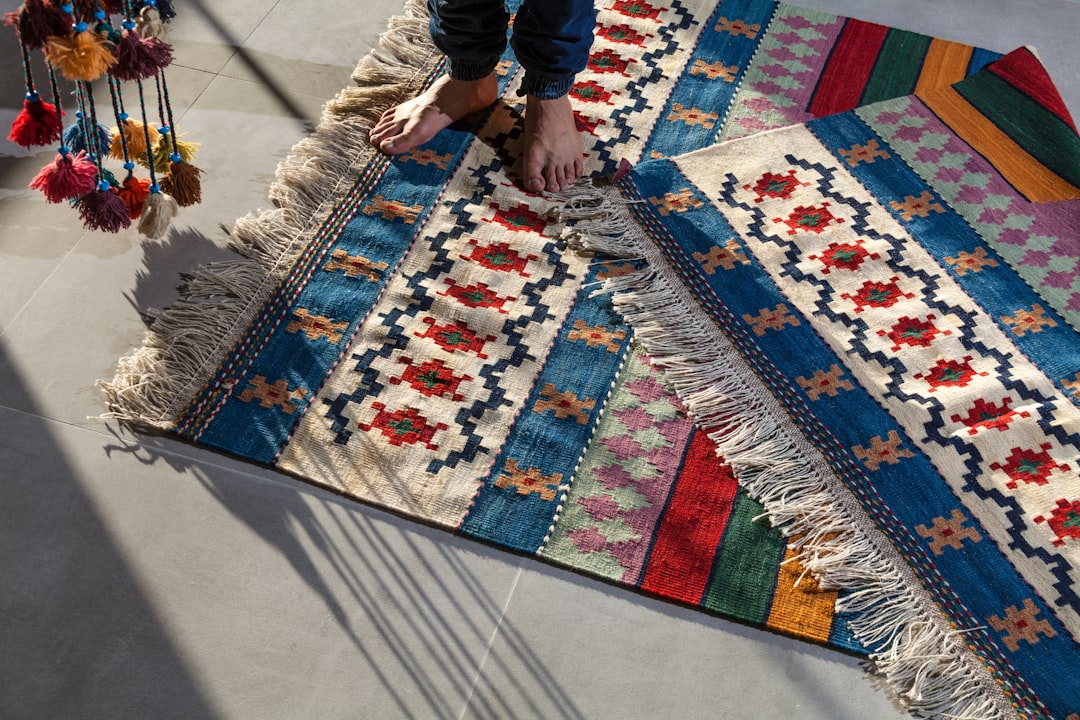
West-facing windows in landed homes bake rugs for six hours a day—by month three, even synthetic fibres show that telltale orange fade where the afternoon light hits hardest. Rotate pieces quarterly, shifting them a metre clockwise to distribute wear; for vintage Persian or hand-knotted wool rugs, consider swapping placements entirely with a hallway runner during peak UV months.
Monthly anti-fungal sprays matter more downstairs where humidity pools—ground floors in Bukit Timah or Katong terrace houses often hit 80% by June. Focus on rug undersides and edges where mould spores gather unnoticed; wool needs extra attention since its natural oils trap moisture. A pro tip: lift corners during spraying to hit the padding beneath, where trapped air accelerates mildew in as little as 48 hours.
Pre-monsoon professional cleaning isn’t optional for natural fibres—wool expands when damp, then shrinks unevenly if dried too fast under fans. Local cleaners charge $120–$250 for chemical-free steam treatments that preserve dyes; skip the "deep clean" add-ons unless dealing with visible stains, since over-washing frays pile faster. For polypropylene rugs, a pressure washer on balcony tiles works in a pinch—just hang vertically to dry, never flat.
Singaporeans love layering jute over marble floors, but that rough texture hides damp like a sponge. Pull up the base layer weekly to check for dark spots, especially near AC drip lines or leak-prone bay windows. Condo dwellers aren’t immune either—those stylish 200×300cm linen rugs in Tiong Bahru lofts need dehumidifier strips tucked underneath during rainy spells.
Megafurniture’s synthetic blends handle spills better than wool, but their light grey "cloud weave" still yellows if left wet overnight. Blot coffee drips with cold water immediately—hot water sets tannin stains—and avoid vinegar solutions; they break down rubber backings.
A wool-blend rug in the 200×300cm range will set you back SG$800–SG$1,200, but it’s the sort of purchase that outlasts most HDB renovations. Five years in, the pile still holds its shape — no bald patches, no frayed edges. Compare that to polypropylene at half the price (SG$300–SG$600); it’ll start curling at the corners by year two, and by year three, you’re either flattening it under sofa legs or replacing it entirely. Landed homeowners often go custom-cut for odd-shaped spaces — a fitted wool rug in a split-level living room can disguise awkward transitions better than any flooring hack.
The math works out if you treat it like furniture, not decor. That SG$1,200 wool rug amortises to SG$20/month over five years — cheaper than replacing a polypropylene one twice. Condo dwellers tend to fixate on stain resistance, but wool’s natural lanolin repels spills better than most synthetics; it’s the construction that matters. Hand-tufted rugs shed less than machine-made ones, and a higher knot count means fewer trips with the vacuum.
Oddly, the best value often comes from overspending. A 240×340cm rug that fits under all living room furniture eliminates the need for separate floor protectors or anti-slip pads. Go too small, and you’ll spend years adjusting chair legs that catch on the edge. For landed properties with marble or terrazzo floors, a thick wool rug does double duty as insulation — no more icy toes during December monsoons.
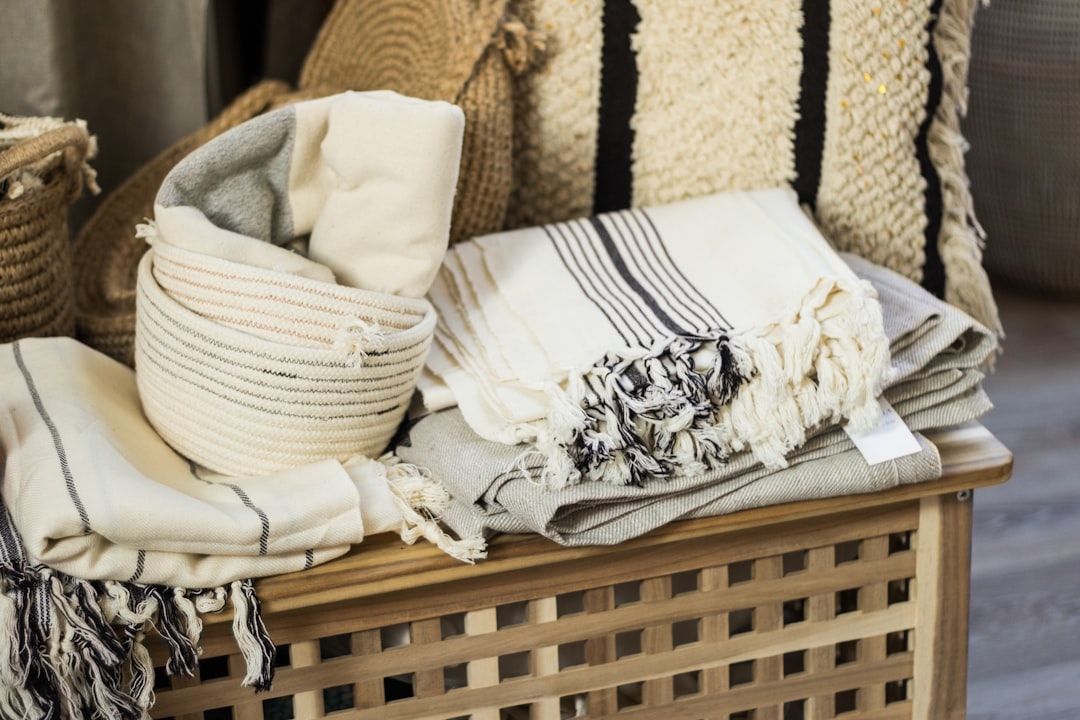
Megafurniture’s throws and cushions collection pairs well with neutral rugs for layering textures. The real trick is buying once: skip the SG$300 "starter rug" phase and put that budget toward the centrepiece. Kids and pets do less damage to dense, high-pile wool than to thin synthetics — the fibres bounce back instead of matting down.