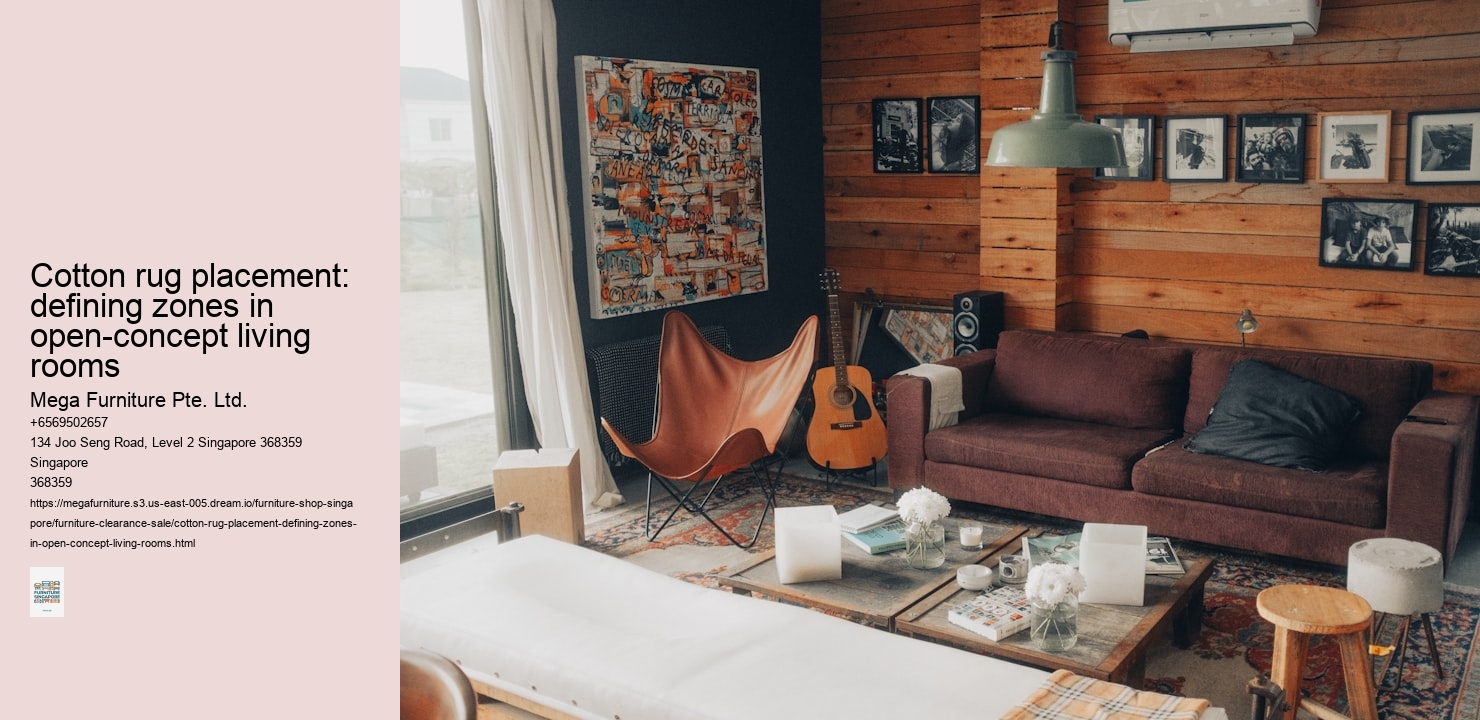
In Singapore’s compact living rooms, a rug often becomes the anchor point—not just for decor, but for defining functional zones. A 160×230cm cotton rug can visually separate the sofa area from a dining nook in a 20 sqm HDB living space, while a smaller 120×180cm version might corral a play area in a landed home’s open-plan layout. The trick lies in leaving 30–45cm of bare flooring around edges; too little and the room feels cramped, too much and the rug floats like an afterthought.
Material choice matters more than most realise. Cotton rugs handle Singapore’s humidity better than wool but lack the sound absorption of thicker piles—a trade-off worth noting for condo dwellers with downstairs neighbours. Patterns work harder than solids in zoning; a geometric design under a coffee table subtly demarcates the seating zone without overwhelming narrow spaces.
Placement follows traffic flow. In corridor-like layouts common to older resale flats, runners (60×200cm) guide movement along walls, while square rugs centre the space in newer BTOs. Landed homes often layer rugs: a large natural fibre base with a smaller, patterned cotton piece atop to delineate conversation areas.
Maintenance is where practicality intrudes. A light-coloured rug under a dining table demands weekly vacuuming in households with kids, while darker hues disguise stains but absorb afternoon heat in west-facing rooms. Rotate every six months to even out wear—sunlight bleaches edges faster than you’d expect.
The best placements consider footfall first, aesthetics second. That 200×300cm rug might look stunning centred in your showflat-inspired mood board, but if it forces residents to sidestep the TV console daily, it’ll fray faster than your patience.

Singapore’s humidity warps cheap rug backings within months, but cotton’s breathability prevents that musty underlayer smell creeping into 4-room BTO living rooms. The best cotton rugs for local conditions balance absorbency (wicking away AC condensation) with tight weaves that resist pet claws — look for 500–800gsm densities in neutral tones that hide paw prints.
A 150×200cm rug fits neatly under most HDB living room coffee tables, leaving 60cm clearance for walking paths around L-shaped sofas. Larger spaces like landed property living rooms can handle 240×340cm statement pieces, though opt for low-pile weaves (under 1cm) to avoid tripping hazards on tiled floors. Cotton’s natural stain resistance makes it the only rug material that survives toddler snack times without professional cleaning — just avoid shag styles that trap crumbs.
Washable cotton rugs work harder in Singapore than anywhere else. They’re the only floor covering that won’t develop mould rings when placed over marble in high-humidity balcony conversions. Rotate them quarterly to prevent sun bleaching on east-facing windows in Tampines units, and choose darker borders to mask inevitable coffee splashes.
For pet owners, the real test comes during monsoon season. A good cotton rug won’t hold that wet-dog smell after three consecutive rainy days — the tighter the weave, the faster it dries. Skip the pastel tribal prints unless you enjoy seeing exactly where the neighbour’s cat napped.
Megafurniture’s collection includes cotton rugs with rubberised backings that won’t slide on polished tiles — crucial for open-concept layouts where rugs double as play mats. Their 170×240cm size hits the sweet spot for defining zones in most Singaporean living rooms without overwhelming the space.
Quality cotton rugs reveal their craftsmanship through thread density—around 120 knots per square inch separates durable pieces from flimsy imitations. Run fingers against the grain; premium weaves resist buckling when scrunched, while loose constructions wrinkle like cheap linen. Singapore's humidity accelerates wear on loosely woven rugs, particularly near balcony doors or aircon vents where temperature fluctuates. Look for symmetrical patterns where warp and weft threads align perfectly—crooked motifs signal rushed production. Tight weaves also withstand quarterly machine washing better, crucial for households with toddlers or pets.
Authentic vegetable-dyed cotton develops richer patinas over time, unlike synthetic colors that bleach under Condo east-facing windows. Rub a white cloth along the fringe—true indigo leaves faint blue traces while chemical dyes stay stubborn. Traditional ikat patterns should show slight tonal variations between batches, not factory-perfect uniformity. Beware of "handmade" tags on rugs with neon-bright hues; genuine madder root and pomegranate dyes mute toward earthy terracotta after sun exposure. These age beautifully in landed property verandahs where afternoon light softens the palette naturally.
Flip any rug over—quality cotton backs either show identical patterning or use undyed jute webbing, never glued-on foam or plastic mesh. Press the underside against tiles; good backings leave no sticky residue or chemical smells behind. Bending test reveals craftsmanship—premium rugs fold crisply along weave lines without cracking the foundation layer. For HDB households, latex-coated cotton backings prevent slips on polished marble better than rubberized synthetics that degrade in six months. Listen for a soft "thump" when dropping corners—hollow sounds indicate cheap filler materials.
Heavier cotton yarns (12/3 NM or higher) withstand foot traffic between living room seating zones without flattening. Squeeze the pile—premium rugs spring back immediately while thin threads leave permanent depressions after furniture rearrangements. Weight correlates with durability—a 200x300cm rug should exceed 4kg, otherwise it's likely blended with rayon. Open-concept layouts need rugs that anchor spaces visually; lightweight options drift annoyingly during mopping. Heft also indicates better sound absorption, softening chair scrapes on ceramic floors.
Examine borders closely—hand-stitched overlocking lasts decades whereas serged edges unravel near shoe racks within seasons. Authentic cotton rugs use matching thread for bindings, never contrasting polyester that puckers after washing. Tug test the corners; proper reinforcement withstands vacuum cleaner attachments without fraying. For homes with robotic mops, tight bindings prevent edge curling that triggers sensor errors. Note how vintage-inspired rugs replicate traditional kilim finishes—raw edges signal authenticity while faux-distressed ones often have suspiciously even "wear".
Layer a smaller cotton rug over a neutral base to add texture and dimension. This technique works well under coffee tables or beside sofas for a cozy feel. Avoid overcrowding—let each layer breathe for a balanced look.
Use runner-style cotton rugs to guide movement between zones. Position them along natural walkways to subtly direct traffic flow. Opt for low-pile cotton for durability in high-traffic areas.
Cotton rugs excel at creating visual boundaries in open-concept spaces. Place a large cotton rug under a seating arrangement to anchor the living area. Use contrasting colors or patterns to distinguish the zone from adjacent dining or workspace areas.
Match cotton rug hues to nearby decor accents for harmony. Soft, earthy tones blend seamlessly in minimalist spaces, while bold prints energize neutral palettes. Rotate seasonal colors to refresh the room effortlessly.
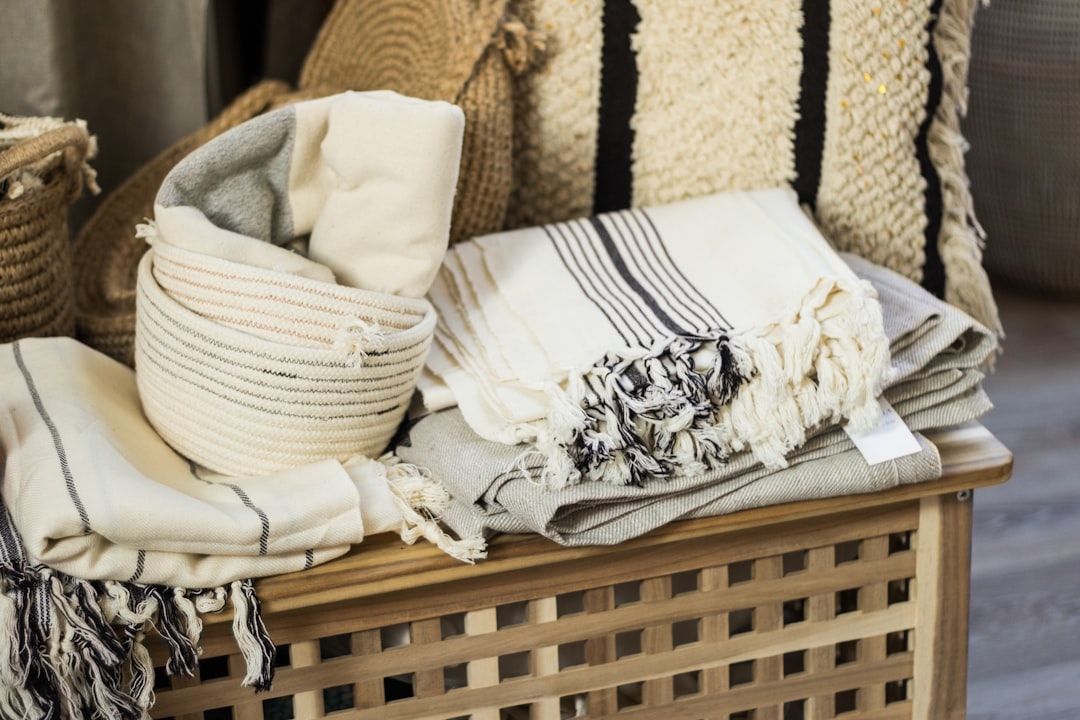
A 240×340cm rug swimming in a 12 sqm HDB living room creates more problems than it solves — edges curl under sofa legs, vacuuming becomes a twice-daily chore, and that gorgeous tribal pattern you loved at the showroom? Reduced to a sliver peeking out from under your coffee table. Singaporean buyers routinely underestimate how much floor space gets eaten up by sectional sofas and console units; measure twice, then subtract 30cm from all sides for breathing room. Pet owners gravitate toward high-pile rugs for paw-friendliness, only to discover how quickly fur embeds itself in cotton loops. Low-pile polypropylene resists stains better, but that industrial look clashes with mid-century teak furniture — it’s why many Tampines households end up layering machine-washable rug pads underneath vintage-style rugs. Kids’ juice spills demand immediate blotting; leave it for two monsoon-season hours and you’ll permanently set the stain on natural fibres. The worst offender? Buying a rug last instead of first. That “perfect neutral” beige rug suddenly turns pink when placed under west-facing Eunos living room windows at golden hour. Smart buyers bring fabric swatches of their existing curtains or sofa upholstery to Megafurniture’s Joo Seng showroom, testing how colours shift under LED versus natural light. Their
performance fabric collectionincludes spill-resistant options that handle teh tarik accidents better than most. Maintenance gets overlooked until the first mould spot appears. Cotton rugs in ground-floor Bukit Timah landed properties need quarterly anti-fungal sprays — the humidity spares no one. Upstairs, HDB dwellers forget to rotate rugs away from aircon drip lines; watermarks creep in like uninvited guests.
Cotton rug placement: optimizing for visual flow and furniture layout
Walking into Megafurniture’s Joo Seng showroom, it’s hard not to notice how the curated cotton rug collection transforms the space. Each piece, from minimalist solids to bold patterns, feels like it belongs in a Singaporean home — whether it’s a 4-room BTO living room or a landed property’s open-concept area. The variety isn’t just about aesthetics; it’s about finding the right rug to define seating zones, add warmth, and soften acoustics in spaces dominated by marble or wood flooring.
Families with young kids often gravitate toward cotton rugs for their softness and ease of cleaning, but Megafurniture’s collection goes beyond practicality. Their range includes accent rugs (90×150cm) for compact spaces and larger pieces (240×340cm) that anchor entire rooms. The Tampines showroom, in particular, showcases how a well-chosen rug can elevate a living room layout — pairing neutral tones with patterned cushions or grounding a sectional sofa with a textured centrepiece.
What sets the experience apart is the expert advice available on-site. Staff don’t just point you to a rug; they help you visualise how it’ll work in your space. For homeowners refreshing their living room, this guidance is invaluable — especially when balancing function and style. Whether you’re looking for a high-impact statement piece or a subtle addition to tie the room together, the collection offers options that cater to diverse tastes and needs.
The cotton rugs here aren’t just floor coverings; they’re design elements that bring cohesion to open-concept spaces. And with showrooms in Joo Seng and Tampines, it’s easy to see how they fit into Singaporean homes. For those exploring options, Megafurniture’s curated selection is worth a visit — especially if you’re after a piece that combines practicality with visual appeal.
Delivery in Singapore’s compact HDB flats often feels like a logistical puzzle — narrow corridors, tight lift landings, and furniture that barely fits through the front door. Megafurniture tackles this head-on with a delivery service that’s designed for local living: their team handles everything from unloading to navigating tricky stairwells, ensuring your new piece arrives intact and on time. For those in newer BTO flats with tighter spaces, they even offer pre-delivery consultations to confirm dimensions and access points, avoiding last-minute surprises.
Assembly is another pain point, especially for buyers juggling work and family commitments. Megafurniture’s team arrives ready to assemble on-site, often completing the job in under an hour — a lifesaver for those in 4-room flats with no spare storage for tools or half-built furniture. They’re particularly adept at handling tricky pieces like modular sofas or storage beds, which can overwhelm even the most DIY-savvy homeowner. And if you’re upgrading a 12 sqm common bedroom, they’ll position the furniture exactly where you want it, leaving no mess behind.
Warranty coverage is straightforward and tailored to Singapore’s humid climate. Most pieces come with a 1- to 3-year warranty that covers structural defects, with extended options available for upholstery and mattresses. Their team responds quickly to claims, often scheduling inspections within 48 hours, and repairs are handled locally to minimise downtime. For families with young children, this peace of mind is invaluable — spills, scratches, and the occasional jump on the sofa are all part of the package.
What’s the best rug size for a 16 sqm condo living room? Aim for a 160×230cm rug — it’s large enough to anchor a sofa and coffee table without overwhelming the space. Smaller rugs (90×150cm) work for accent zones, but in compact layouts, they can make the room feel fragmented. For a cohesive look, ensure the rug extends at least 15cm beyond the sofa’s front legs.
Cotton or wool for households with pets? Cotton wins for practicality. It’s easier to clean, resists stains, and holds up well against claws. Wool, while luxurious, tends to trap pet hair and can fade under direct sunlight — a common issue in east-facing condos. Opt for a tightly woven cotton rug; it’s durable and less likely to snag.
How do you define zones in an open-concept living room? Start with a 200×300cm rug to visually separate the seating area from dining or workspace. Layer a smaller accent rug (120×180cm) under the coffee table for added texture. In many HDB flats, this approach helps balance the room without cluttering it.
What’s the ideal rug thickness for families with young kids? Go for a 1–1.5cm pile height. It’s cushioned enough for toddlers but not so thick that it becomes a tripping hazard. Avoid shaggy rugs; they’re harder to clean and can trap crumbs.
Can a rug soften the acoustics of a tiled living room? Absolutely. A large cotton rug absorbs sound, reducing echoes in spaces with marble or ceramic tiles. In landed homes with high ceilings, this trick is especially effective. Pair it with curtains or cushions for a quieter, cosier feel.
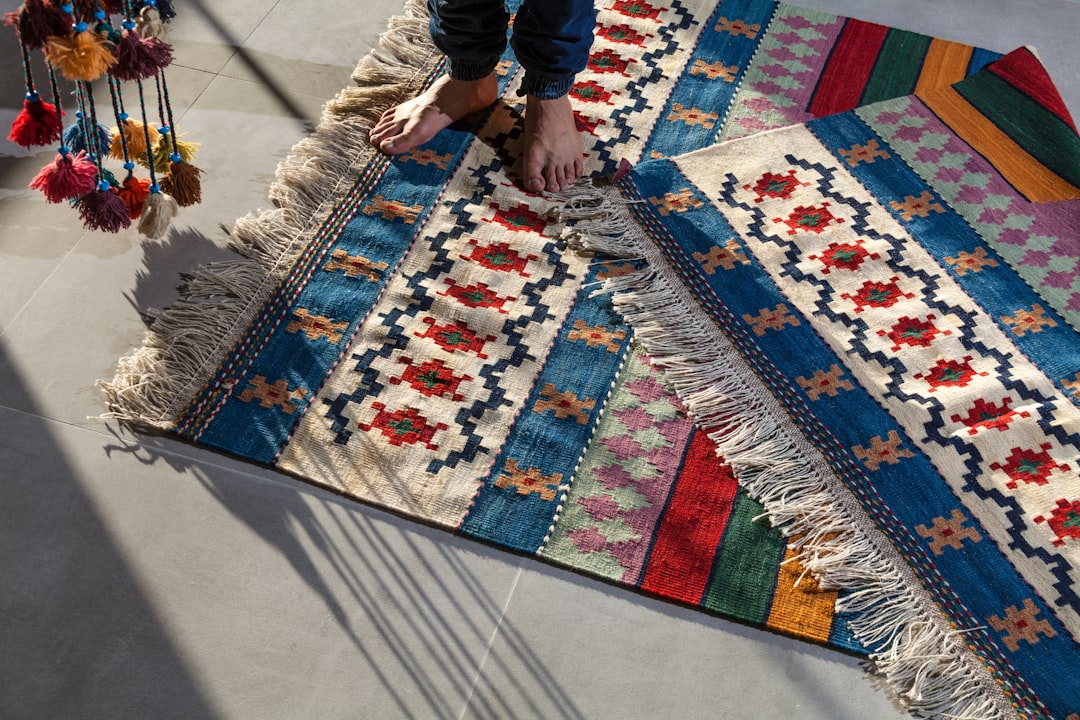
In a 4-room BTO living room, the rug often becomes the centrepiece — but only if it’s the right size. Too small, and it floats awkwardly in the space; too large, and it overwhelms the furniture. Measure twice, buy once: a 240×340cm rug typically anchors a seating zone in larger spaces, while a 90×150cm accent rug works for compact corners or under coffee tables. Don’t guess — tape out the dimensions on your floor before committing.
Material matters, especially in Singapore’s humid climate. Cotton rugs are lightweight, easy to clean, and breathable, making them a practical choice for families with young kids or pets. Wool offers durability and warmth but can trap moisture; polypropylene is stain-resistant but lacks the softness of natural fibres. Think about your lifestyle: if spills are frequent, synthetic blends might save you headaches.
Style ties it all together, but don’t let aesthetics overshadow functionality. A minimalist solid-colour rug can unify a modern living room, while bold patterns or tribal designs add character to neutral spaces. Vintage styles work well in landed homes with heritage touches, but they might clash with a sleek condo interior. Bring photos of your room to the showroom — it’s easier to visualise how the rug will look in context.
Before heading out, prioritise your needs. Is it about defining zones in an open-concept layout, softening hard flooring, or adding a pop of colour? Narrowing down these considerations will make the decision process smoother. And remember, a rug isn’t just decorative — it’s a functional piece that should enhance your daily life.