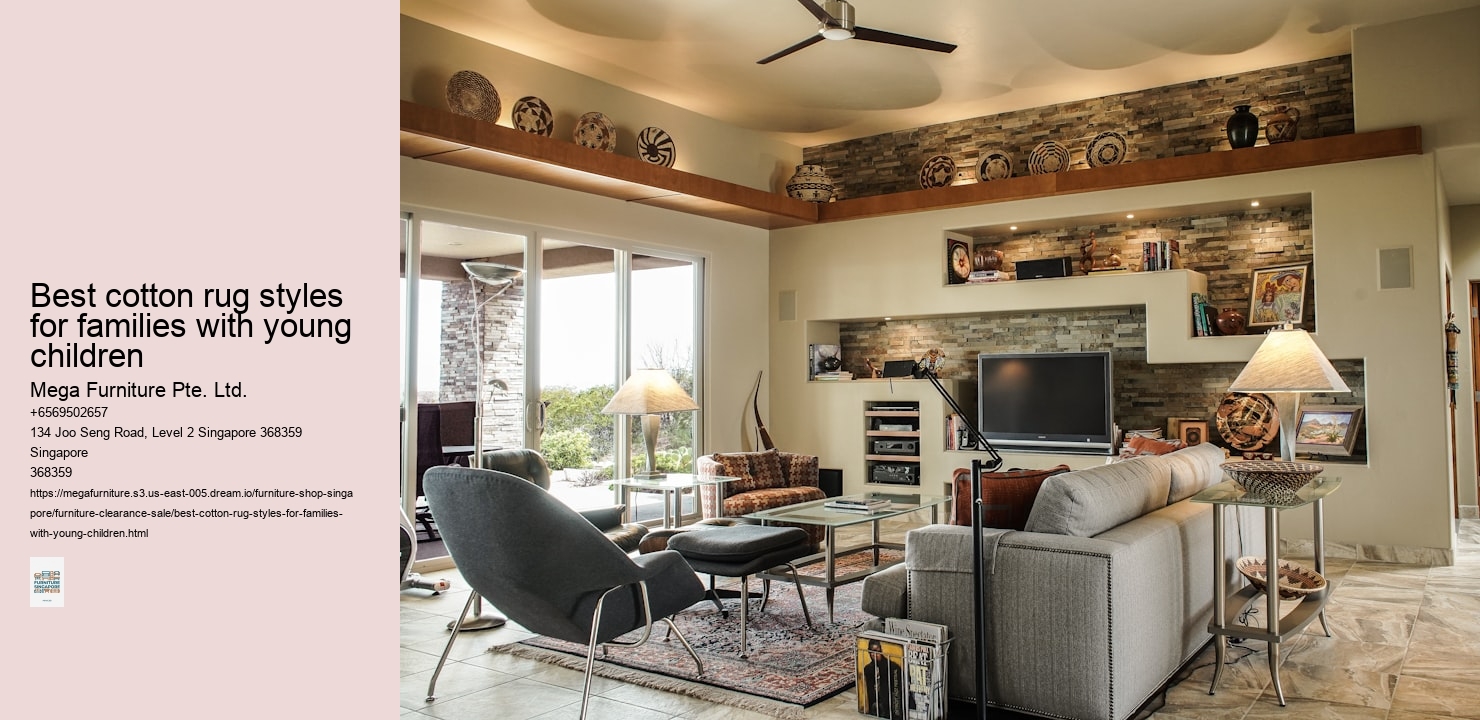
In Singapore’s humidity, cotton rugs have an edge — they absorb moisture better than wool, staying fresher longer. Walk barefoot in the afternoon, and you’ll notice the cool-to-touch surface, a relief in our year-round heat. Unlike heavier materials, cotton doesn’t trap warmth, making it a practical choice for living rooms that double as play areas or nap spots.
Families with young kids often worry about rug durability, but cotton’s low-pile weaves solve the problem. Toy wheels glide smoothly without catching, and spills soak in less deeply, giving you time to clean up. For those testing prams or strollers, cotton’s flat surface ensures easy manoeuvring, something parents appreciate in tight spaces like a 4-room BTO living room.
Maintenance is straightforward — most cotton rugs can handle a gentle machine wash, a lifesaver when dealing with sticky fingers or pet accidents. They’re also lightweight, easy to roll up and store if you’re rearranging furniture or hosting a larger gathering. Pair them with hard flooring like marble or tiles, and they add just enough softness without overwhelming the room’s acoustics.
Cotton rugs come in a range of sizes, from 90×150cm accents to room-defining 240×340cm pieces. Patterns vary too — minimalist solids work for modern condos, while bolder designs can anchor a landed home’s open-plan layout. The versatility makes them a favourite for homeowners refreshing their space without committing to a full redesign.
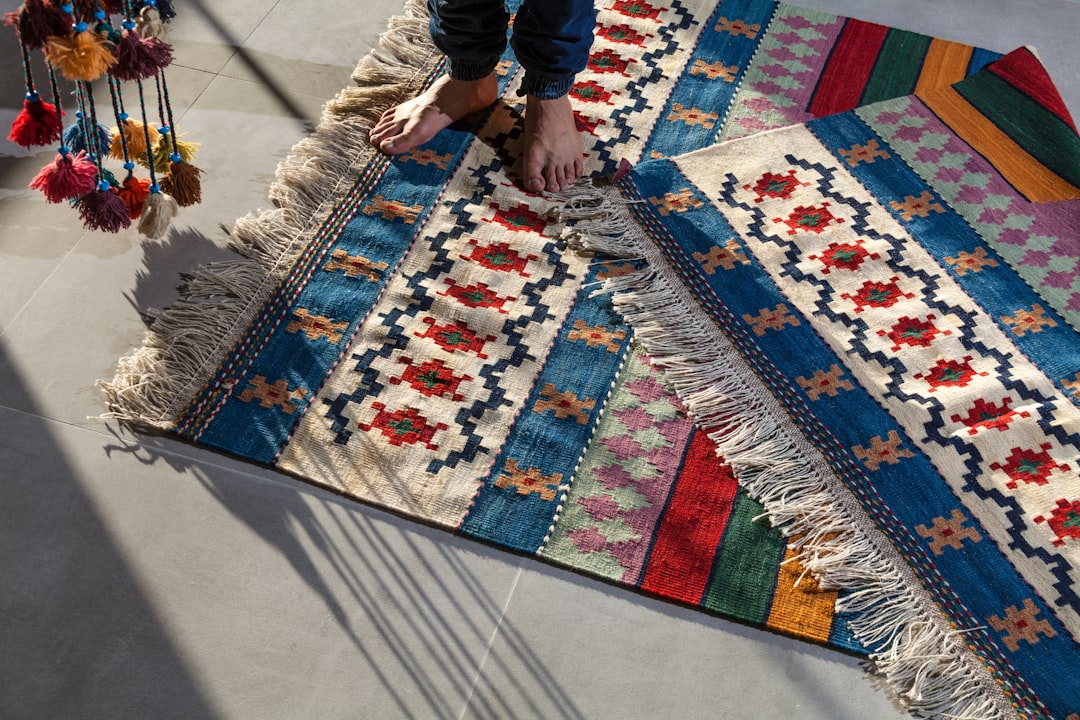
The standard 240×340cm rug defines L-shaped sofa zones perfectly—it’s the Goldilocks size for most 4-room BTO living rooms, leaving just enough flooring exposed to frame the space without looking stingy. Go smaller and you’ll end up with sofa legs half-on, half-off; go larger and your robot vacuum’s going to bump into walls every time it tries to clean that 30cm border. At Joo Seng showrooms, they lay out sample living rooms with masking tape marking these dimensions—you’d be surprised how many buyers realise their dream 300×400cm rug would swallow the entire seating area whole.
Cotton rugs around 160×230cm slot neatly under coffee tables, though families with toddlers might prefer something even lower-pile—spilled Yakult wipes easier off flatweaves than shag. That size leaves about 80cm clearance on either side in typical HDB layouts, enough for traffic flow but not so much that the rug looks like an afterthought. The best ones have bound edges; raw edges fray within months when kids drag toy trucks across them.
Measure twice, buy once—especially important when your living room’s already crammed with a 3-seater, TV console, and that one awkward corner where the WiFi router lives. Rugs smaller than 90×150cm end up looking like bath mats; anything over 300×400cm starts feeling like wall-to-wall carpeting. Pro tip: if you’re eyeing a patterned rug, unroll it in the shop and check the repeat—some designs get weirdly distorted at standard HDB furniture distances.
Megafurniture’s showroom staff swear by the "tape test"—they’ll mark out your actual floor space with washi tape so you can visualise different rug sizes with your existing furniture. Their 240×340cm cotton rugs come in colours that don’t show Milo stains as badly as you’d think.
Herringbone cotton rugs dominate family-friendly living rooms for a reason — their tight weave resists spills better than most materials. Milo spills, a common occurrence in homes with young kids, tend to stay on the surface rather than seep through. This structure also makes cleaning quicker; a damp cloth usually does the trick without requiring deep shampooing. For landed properties with marble floors, these rugs provide both visual warmth and practical spill protection. Their durability ensures they’ll withstand years of toddler playdates and weekend gatherings.
Shag rugs might look cosy, but they’re a nightmare for families with young children. Loose fibres trap crumbs, spills, and allergens, making them harder to clean than tighter weaves. Near dining areas, where food spills are inevitable, shag rugs quickly become stained and unsanitary. Opting for flat-weave cotton rugs instead ensures easier maintenance and a cleaner living environment. Their low profile also reduces tripping hazards, a crucial consideration for homes with active kids.
Cotton rugs strike the perfect balance between softness and practicality, especially in Singapore’s humid climate. Unlike wool, which can trap moisture, cotton stays breathable and resists mould growth. It’s also machine-washable, a lifesaver for families dealing with frequent spills and stains. In 4-room BTO flats, where space is limited, cotton rugs add texture without overwhelming the room. Their natural fibres are gentle on bare feet, making them ideal for play areas.
Nano-treated cotton rugs are gaining popularity for their stain-repellent properties, particularly in homes with young children. This treatment creates a protective barrier that prevents kopi stains from setting into the fibres. Weekend demos often showcase how spills bead up and wipe away effortlessly, a feature parents appreciate. While slightly pricier than untreated options, the long-term savings on cleaning products make them a smart investment. Their durability ensures they’ll last through years of family use.
Positioning rugs near dining areas requires careful consideration of both style and function. Choose rugs that extend at least 60cm beyond the table edges to catch spills effectively. In condo dining rooms, where space is tighter, smaller accent rugs work well without overwhelming the area. Opt for darker tones or intricate patterns to camouflage inevitable stains. A well-chosen rug not only defines the space but also protects flooring from scratches and spills.
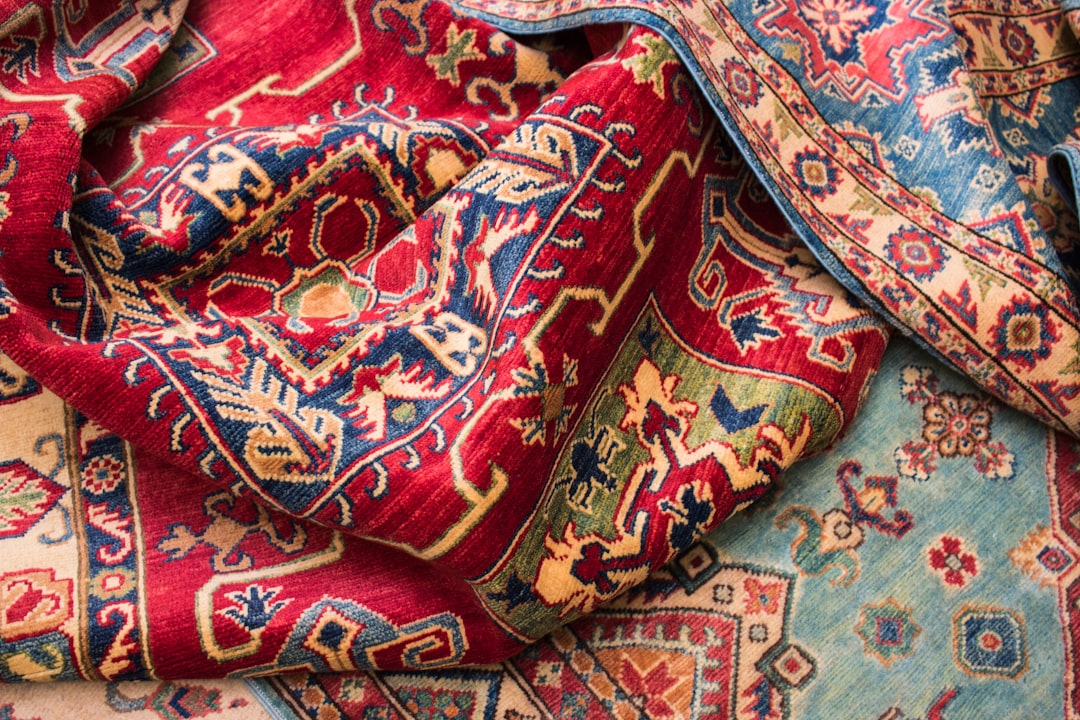
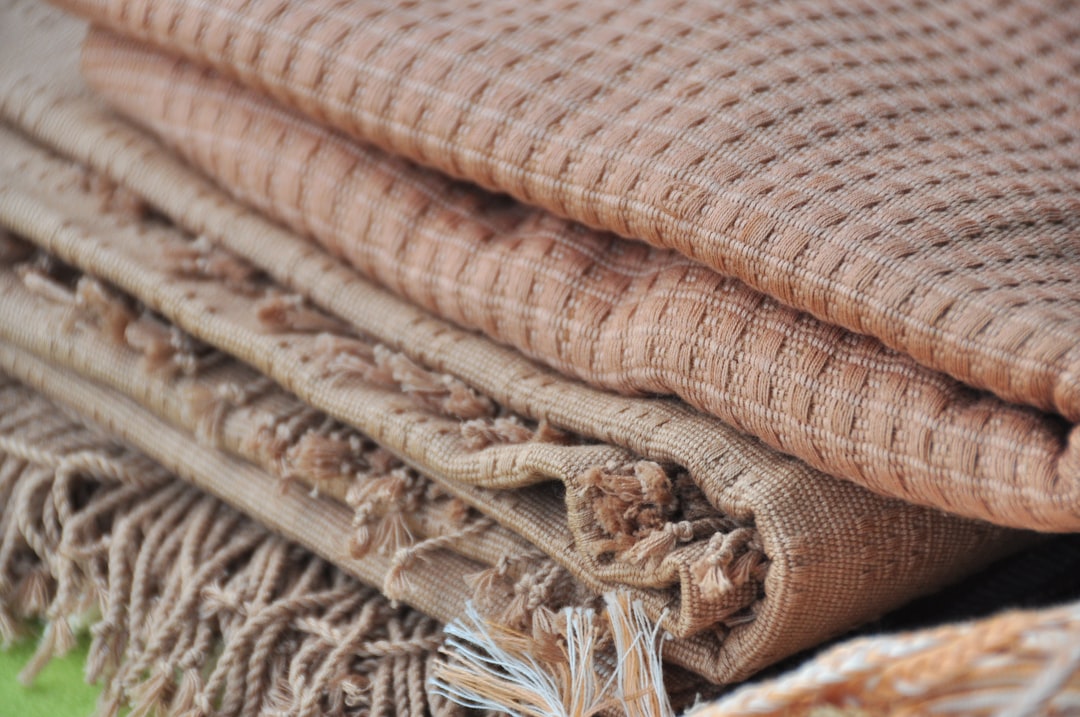
Dusty blues in a 12 sqm condo living room can trick the eye into perceiving more space — it’s a trick borrowed from coastal interiors, where soft, muted tones stretch the horizon. Terracotta, on the other hand, grounds open-concept HDB flats, especially in layouts where the dining area bleeds into the living room. The warmth of earthy tones creates a visual anchor, making the space feel cohesive rather than sprawling.
Lighting plays a crucial role in how these colours perform. Joo Seng’s lighting lab replicates east-west facing windows, letting buyers test swatches under LED and natural light. A terracotta rug might look rich and inviting in morning light but turn muddy under cool LED bulbs. Dusty blues, meanwhile, can appear crisp and airy in daylight but lose their depth under artificial lighting.
For families with young children, cotton rugs in these shades offer practicality and style. A terracotta rug hides spills better than lighter tones, while dusty blue adds a calming touch to play areas. Cotton’s softness makes it ideal for toddlers’ tumbles, and its durability stands up to frequent washing — a necessity in homes with kids.
Choosing the right shade depends on the room’s orientation and function. East-facing spaces benefit from cooler tones that balance the morning glare, while west-facing rooms can lean into terracotta’s warmth to counteract the harsh afternoon light. It’s not just about aesthetics; it’s about how the colour interacts with the space throughout the day.
Weekly shaking beats vacuuming for embedded Play-Doh. It’s the kind of tip that sounds absurd until you’re crouched on a 240×340cm cotton rug, scraping dried bits out of the fibres. For families with young kids, maintenance isn’t just about cleaning — it’s about preserving the rug’s texture and colour. Rotate balcony-facing rugs quarterly to prevent sun bleaching; even cotton, which fades slower than synthetic blends, isn’t immune to Singapore’s relentless UV rays.
Anti-slip pads are non-negotiable on hard floors, but not all pads work the same. Marble needs a thicker, grippier pad to prevent sliding, while parquet benefits from a thinner option that won’t compress the wood grain over time. Free samples let you test compatibility before committing — a small but crucial step for condo owners with high-traffic living rooms.
Laminate flooring poses its own challenges. While it’s easier to clean than rugs, it’s also prone to scratches from toy cars or stray Lego bricks. A well-placed rug not only softens the space but also protects the flooring beneath, especially in 4-room BTO layouts where the living room doubles as a play area. For landed homeowners, cotton rugs offer a quick refresh without the hassle of re-laminate the entire space.
Sunlight and spills are the twin enemies of any floor covering. Cotton rugs, with their natural absorbency, can handle juice spills better than laminate, but they also dry slower. It’s a trade-off many families accept for the comfort and warmth they bring to a room. And when the rug’s had its day, replacing it costs less than refinishing laminate — a practical consideration for design-conscious homeowners on a budget.
In Singapore’s humidity, cotton rugs treated with 3M Scotchgard typically last around 18 months before needing reapplication — a timeline that shortens if placed in high-traffic zones like living rooms or near balconies. Families with young children should prioritise rugs with mold-resistant latex backing, especially in landed homes where tile flooring can trap moisture. A quick stress-test at the showroom can save headaches later: drag weighted bags along the edges to simulate toddler use, checking for fraying or loosened threads.
Cotton rugs in 240×340cm sizes, often used to define seating zones, are particularly prone to edge wear in humid conditions. While wool and polypropylene rugs might fare better, cotton’s softness and affordability make it a favourite for families. Just don’t skip the Scotchgard — untreated cotton absorbs moisture faster, leading to mold spots in as little as six months during Singapore’s wet season.
For condo owners, placement matters. Rugs near air-conditioning vents dry faster, but those in corners or under low-traffic furniture can develop damp patches. Rotate the rug every few months to even out wear and moisture exposure. And if you’re refreshing a living room layout, consider smaller cotton rugs (90×150cm) that can be easily moved and aired out — they’re less likely to trap humidity over time.
" width="100%" height="480">Best cotton rug styles for families with young childrenLow-pile cotton rugs are perfect for homes with kids, offering a smooth surface that’s easy to vacuum and maintain. Their flat weave reduces tripping hazards, ensuring safety for active toddlers. These rugs also dry quickly, making them suitable for high-traffic areas like playrooms.
Families with young children benefit from washable cotton rugs, which can be tossed in the washing machine for a thorough clean. This feature ensures hygiene and convenience, especially after messy activities. Their ability to retain color and shape after washing adds to their long-lasting appeal.
Cotton rugs are ideal for families with young children due to their soft texture and durability. These rugs provide a comfortable surface for playtime while resisting wear and tear. Easy to clean, they handle spills and stains effortlessly, making them a practical choice for busy households.
Bringing a tape measure to the showroom might feel excessive, but it’s the fastest way to avoid delivery-day headaches. Measure your door frames — especially in older HDB flats where corridors narrow unexpectedly — and note any stairwells or tight turns. Humidity-warpage warranties are worth asking about; Singapore’s damp climate can wreak havoc on untreated wood or poorly sealed materials within months.
For those refreshing a living room layout, bring along existing cushion fabrics. Colour matching services are surprisingly precise — they’ll find complementary tones for throws or rugs that tie the space together. Weekday appointments are quieter; weekends can skew your sense of scale with crowds milling around.
Cotton rugs, with their soft texture and breathable weave, are a natural choice for families with young children. Look for tightly woven options that resist spills and stains — they’re easier to clean than looser weaves. A 240×340cm rug can anchor a seating area, while smaller accents work well in compact spaces like 4-room BTO living rooms.
Don’t overlook the acoustics. Hard flooring amplifies noise, but a thick cotton rug absorbs sound — a small mercy in open-plan layouts. Pair it with a sofa that complements the rug’s texture, and you’ve got a cohesive centrepiece that’s both functional and visually balanced.