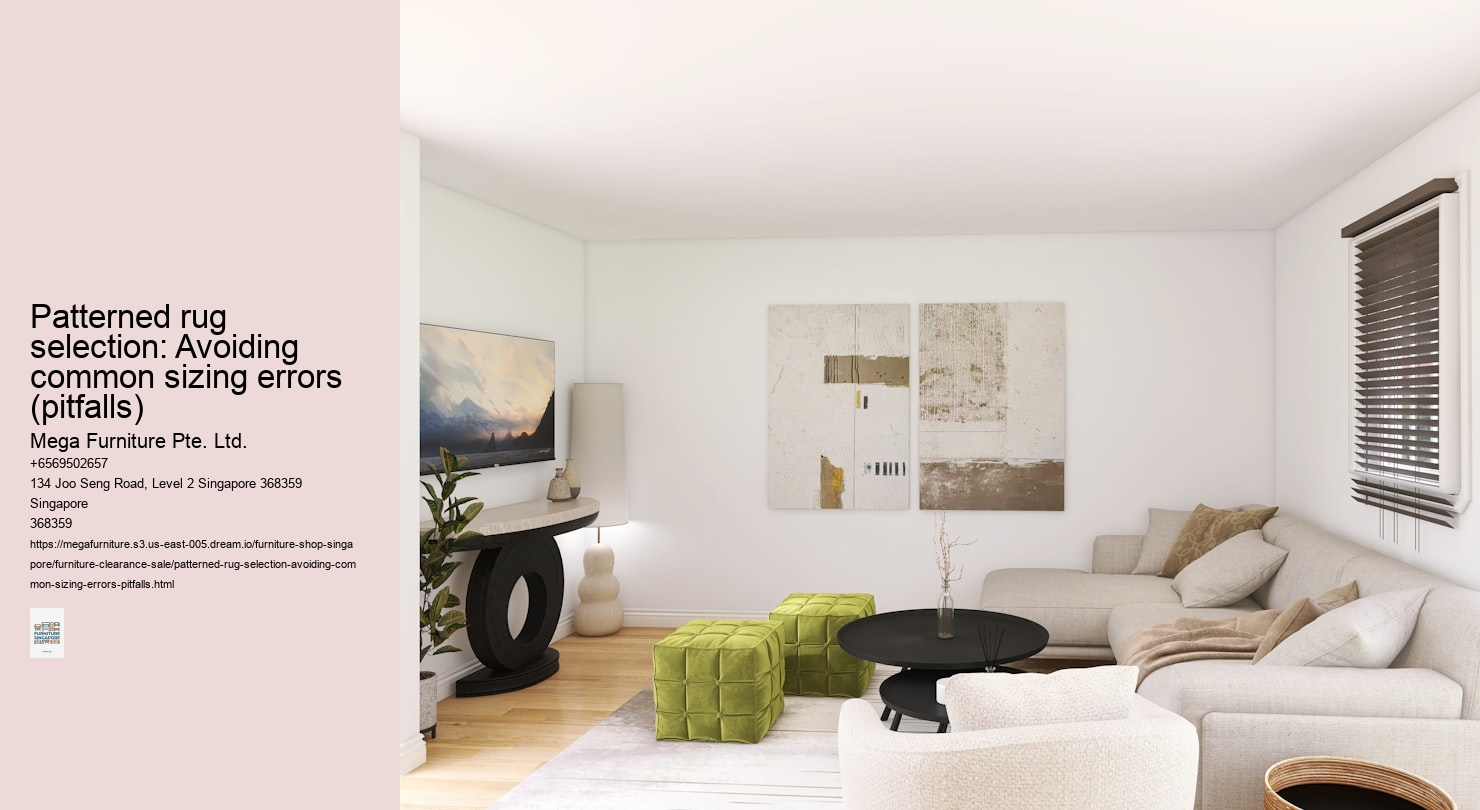
A patterned rug in a 12 sqm HDB master bedroom often ends up looking like an afterthought — too small to anchor the space, yet too large to avoid clashing with the built-in wardrobe. In contrast, condo living rooms, typically spanning 15–20 sqm, offer more flexibility, but buyers still risk underestimating the dimensions. Landed homes, with living rooms exceeding 25 sqm, demand rugs that don’t just fill the floor but define distinct zones without disappearing into the vastness.
In HDB BTOs, where layouts lean compact, a rug that’s too large can overwhelm the space, making it feel cluttered rather than cosy. Resale flats, often slightly larger, allow for more generous sizing, but the challenge lies in balancing proportion with practicality. Condos, with their open-plan designs, benefit from rugs that delineate seating areas without disrupting the flow — a 200×300cm rug usually hits the mark, though oversizing can make the room feel disjointed.
Landed homes present a different set of considerations. Here, rugs aren’t just decorative; they’re functional, softening hard flooring and absorbing sound in expansive spaces. A 240×340cm rug works well in a 25 sqm living room, anchoring the sofa and coffee table while leaving enough floor exposed to maintain a sense of openness. But go too small, and the rug becomes an island, lost in a sea of marble or timber.
Material choice also plays into sizing decisions. Wool rugs, while durable, can feel heavy in smaller spaces; polypropylene or cotton options, lighter and easier to clean, often suit HDB flats better. In landed homes, where rugs bear more foot traffic, thicker materials like wool or jute add both durability and texture, though they’ll stretch the budget to around $1,200 to $2,400 for larger sizes.
Ultimately, the rug’s role shifts with the home’s context — from a functional layer in HDB flats to a statement piece in landed properties. Getting the size right means considering not just the room’s dimensions but how the rug will interact with the furniture, flooring, and overall flow of the space.
Singapore’s humidity doesn’t just frizz hair—it warps untreated rugs within months. Polypropylene’s moisture resistance makes it a go-to for landed homes and condos alike, while treated wool offers a softer alternative without sacrificing durability. Families with toddlers often lean towards stain-resistant options, though it’s worth noting that darker patterns can mask spills better than solid colours. Pet owners, meanwhile, prioritise rugs that can withstand claws and the occasional accident—synthetic blends often outperform natural fibres here.
Aesthetics matter, but practicality can’t be ignored. Patterned rugs add visual interest to 4-room BTO living rooms, breaking up the monotony of marble or wood flooring. Yet, busy patterns can overwhelm smaller spaces—a 12 sqm HDB master bedroom might fare better with subtle geometrics or a muted tribal design. Larger rugs, like 240×340cm styles, anchor seating zones effectively, though they’re harder to clean in humid conditions.
Balance is key. Buyers juggle texture, colour, and maintenance—soft bouclé feels luxurious underfoot but traps dust, while jute’s natural look clashes with modern interiors. For many, the sweet spot lies in mid-range options priced between $1,200 and $2,400, offering durability without breaking the bank. It’s a trade-off: you’ll sacrifice some luxury, but you’ll gain peace of mind knowing your rug won’t warp or stain after the first rainy season.
Wool rugs handle foot traffic better than most materials—they bounce back from furniture dents and resist flattening over time. In Singapore's humidity, wool's natural moisture-wicking keeps surfaces drier than synthetic blends; that means less mildew risk under coffee tables where condensation pools. The fibres naturally repel dirt, though patterned wool rugs show less soiling between vacuuming than solid colours. Expect to pay 30–50% more than polypropylene, but wool's 10–15 year lifespan justifies it for high-use areas like living room seating zones.
Cotton's breathability suits Singapore's climate, but its lower density means patterned designs fade faster near balcony doors or full-height windows. Flatweave cotton rugs work well under dining sets—they're easier to shake out than plush piles when rice grains or biscuit crumbs accumulate. The material absorbs spills quickly though; turmeric stains or coffee drips need blotting within minutes to avoid setting. Budget around $200–$400 for 200×300cm, but replace every 3–5 years if placed in sun-exposed areas.
Outdoor-grade polypropylene withstands balcony UV exposure without fading, making it viable for open-concept living rooms merging with terraces. The plastic fibres resist juice spills and paw prints—a pragmatic pick for families with toddlers or pets that treat rugs as extended play mats. Tight loop piles hide debris better than shag versions, though they lack wool's sound-dampening qualities. At $150–$300 for 240×340cm, it's the most stain-resistant option under $500.
A rug's knots per square inch determine how sharply its pattern holds up—cheap 80-KPI weaves blur floral motifs within months, while 120+ KPI maintains definition. Run fingers against the pile; if backing fabric shows through when brushed sideways, expect premature balding in pathways. Dense Turkish or Persian-style rugs cost more upfront but outlast flimsy machine-tufted versions by decades. For high-traffic zones like sofa fronts, prioritise rugs weighing at least 3kg per square metre.
UV-resistant dyes matter less for north-facing HDB flats than east-west condos with afternoon sun bleaching floors. Rub a damp white cloth on sample swatches—if colour transfers, imagine what weekly mopping will do. Vegetable-dyed rugs develop patina over time, while chemical dyes offer consistency; the former suits heritage Peranakan interiors, the latter minimalist grey-and-white schemes. Darker patterns hide fading better, but test how navy or charcoal tones interact with your existing furniture shadows.
Patterned rug style guide: Matching rugs to condo living room themes (how_to)
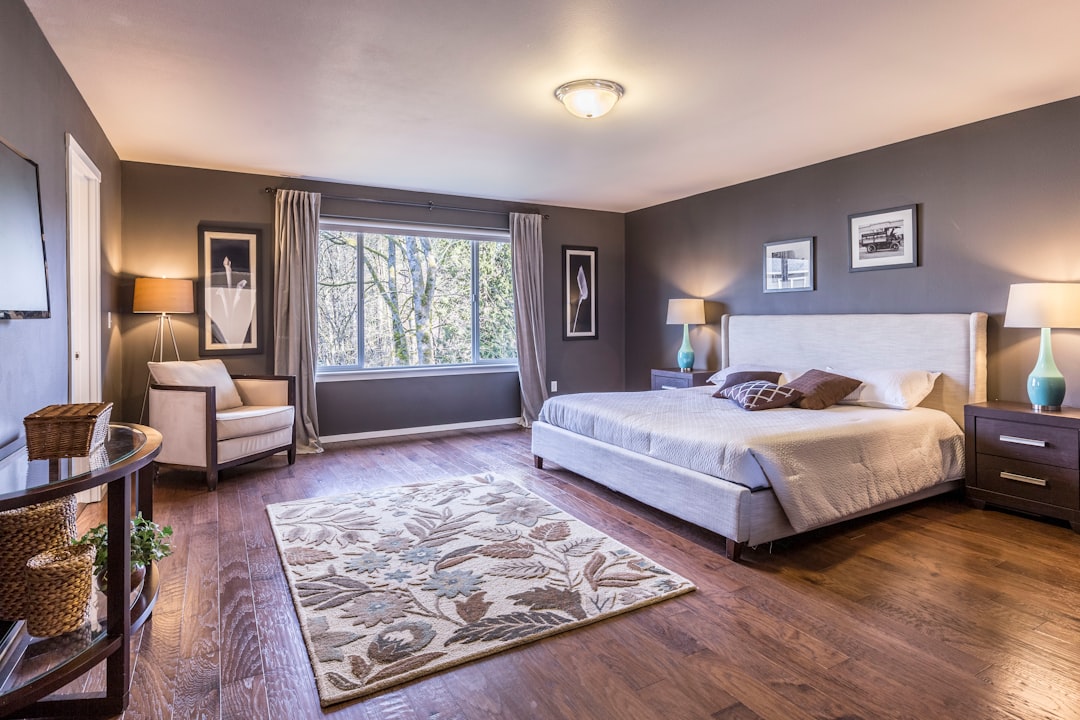

A 90×150cm rug might look striking in the showroom, but in a 4-room BTO living room, it often ends up floating awkwardly in the centre of the floor. Buyers gravitate toward these smaller sizes, thinking they’ll save space or money, but the result is a rug that fails to anchor the seating area — it’s more of an afterthought than a focal point. On the other end of the spectrum, oversized rugs like 240×340cm designs can overwhelm compact layouts, especially in HDB flats where every square metre counts. The rug ends up swallowing the room, leaving little breathing space for furniture or movement. The key lies in measuring furniture groupings before committing to a size. A rug should extend at least 30cm beyond the edges of the sofa, creating a visual boundary that ties the seating area together. In a typical 12 sqm HDB living room, a rug around 200×300cm strikes the right balance — it’s large enough to define the space without crowding it. Families with young children might lean toward softer materials like wool or polypropylene, which are durable and easy to clean, while those prioritising aesthetics might opt for patterned designs that add depth to the room. One common mistake is choosing a rug based solely on price or availability without considering how it fits the space. A rug that’s too small or too large can throw off the entire room’s proportions, making even the best furniture arrangement feel disjointed. It’s worth taking the time to measure and visualise how the rug will interact with the room’s layout — after all, it’s not just a floor covering but a foundational element of the design. For those unsure about sizing, browsing Megafurniture’s
collectioncan offer inspiration and practical options tailored to Singapore’s unique spaces.
Center the rug under key furniture pieces to anchor the space and enhance flow. Avoid placing patterns too close to walls, as it can create visual clutter. Proper alignment ensures the rug complements the room's overall layout seamlessly.
Larger rooms benefit from bold, expansive patterns, while smaller spaces suit intricate, smaller designs. Mismatched scale can make a room feel disproportionate or chaotic. Always consider how the pattern interacts with the room's dimensions.
Selecting a patterned rug that fits your room perfectly avoids awkward gaps or overcrowding. Measure your area carefully, ensuring the rug extends beyond furniture groupings for balance. Oversized rugs can overwhelm, while undersized ones disrupt visual harmony.
A patterned rug in a 4-room BTO living room looks different in daylight than under warm evening bulbs — that’s why testing under real lighting matters. Megafurniture’s Joo Seng and Tampines showrooms let buyers unroll rugs, walk on them, and see how the pattern shifts with natural and artificial light. Texture and pile height, often overlooked online, become tangible; you’ll notice how a high-pile wool rug feels plush underfoot but might trap crumbs in a family home.
Compact spaces in Singapore demand precision — a rug that’s too large overwhelms, while one that’s too small fails to define the seating zone. In the showroom, buyers can compare sizes side by side, from accent rugs (90×150cm) to room-defining pieces (240×340cm), and visualise how each fits their layout. Materials like polypropylene, cotton, and jute are laid out for comparison, so you can gauge durability and maintenance needs, especially with kids or pets.
Patterned rugs add visual interest, but the wrong scale or colour can clash with existing decor. Seeing the rug in person helps avoid mismatches — tribal designs might dominate a minimalist room, while a muted geometric pattern could blend seamlessly. Tailored options for Singaporean homes, like low-profile rugs for sliding doors or stain-resistant blends, are easier to evaluate when you can touch and test them. The showroom experience removes the guesswork, ensuring the rug not only looks right but feels right in your space.
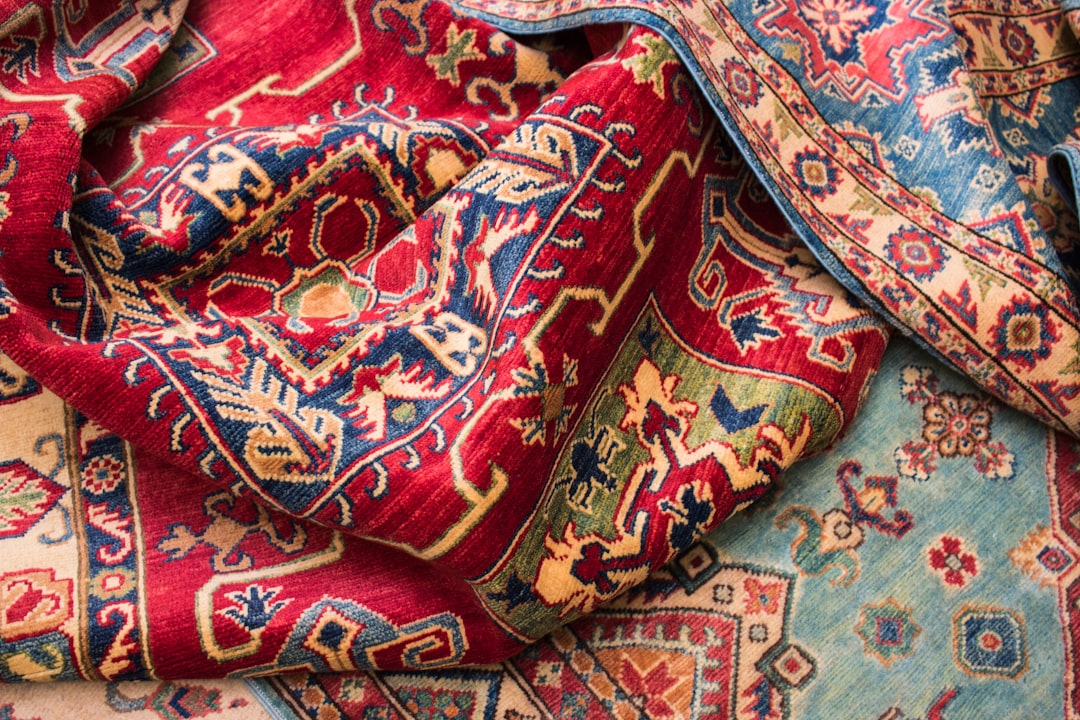
Most patterned rugs arrive rolled and vacuum-packed — a practical solution for delivery, but one that leaves buyers staring at a stubbornly curled edge in their living room. Free delivery within 50km simplifies the process, though buyers in landed homes often find themselves coordinating drop-offs at the gate or garage. Modular rugs, with their intricate layouts, benefit from professional assembly services; it’s worth considering unless you’re confident in your spatial organisation skills.
Warranty coverage focuses on manufacturing defects, but it’s buyer’s responsibility to keep receipts — a detail many overlook until they spot an unraveling edge six months in. Rug pads aren’t just an add-on; they’re essential for hardwood and marble floors, preventing slips and protecting surfaces from scratches. Families with young children often find themselves reapplying pads after heavy play sessions, especially in high-traffic areas near sofas or TV consoles.
Patterned rugs, particularly larger ones measuring 240×340cm, can be unwieldy to position correctly — another reason assembly services pay off. Smaller accent rugs, around 90×150cm, are simpler to handle but still benefit from proper placement to anchor seating zones. Whether you’re refreshing a condo living room or defining spaces in a landed home, the right delivery and assembly approach ensures your rug looks intentional, not haphazard.
Patterned rugs in Singapore’s compact living rooms often face the same dilemma—too busy and the space feels chaotic, too plain and it’s just another beige rectangle. The trick lies in scale: a 120×180cm rug with a subtle geometric repeat can visually expand a 12 sqm HDB living area, while a bold tribal print demands at least 2m clearance on all sides to breathe. Humidity complicates things—polypropylene holds up better than wool near balcony doors, though nothing survives long-term dampness without quarterly anti-mould sprays.
Can small spaces handle patterns? Absolutely, but stick to low-contrast designs—think tonal ikats or micro-checks rather than high-voltage Moroccan trellis. For BTO flats with open-concept layouts, a 200×300cm rug defines the seating zone without overwhelming; just leave 30–40cm of flooring visible at the edges. Jute’s a hard no—our humidity turns it brittle within a year, and the shedding drives robotic vacuums to early graves.
Maintenance questions always surface after the first durian season. Weekly vacuuming prevents grit from etching patterns into pile (use the upholstery attachment on high-loops), while professional cleaning every 12–18 months tackles deeper stains. Spills? Blot—never scrub—with a microfiber cloth and lukewarm water; most synthetic dyes bleed if rubbed. The exception: flatweave cotton rugs from Megafurniture’s collection can handle gentle machine washes—a lifesaver for toddler-heavy households.
Size anxiety plagues condo dwellers more than landed homeowners. That 240×340cm beauty from the showroom? Measure twice—it’ll drown most 4-room BTO living areas, leaving sofa legs half-on like some awkward park bench. Better to layer a 160×230cm patterned piece over neutral broadloom, creating depth without swallowing the room. And always unroll new rugs outdoors for 48 hours—that chemical smell isn’t just offensive, it’s the off-gassing that’ll stick to your walls.

A patterned rug that’s 30cm too narrow forces furniture into awkward clusters—legs half-on, half-off, like guests hovering at a buffet line. Start with masking tape on the floor: mark out potential rug dimensions in your 4-room BTO living room, then test furniture groupings within those boundaries. Most buyers underestimate by 50cm per side; a 200×300cm rug barely contains a standard L-shaped sofa and coffee table setup.
Material choice separates rugs that last from those that curl at the edges after one monsoon season. Wool resists stains but traps pet hair; polypropylene stands up to kids’ juice spills but feels plasticky underfoot. For landed properties with open-air verandahs, skip jute—it absorbs humidity like a sponge and starts smelling musty by August. Families with toddlers should prioritise low-pile synthetics; they survive crayon incidents better than delicate hand-knotted pieces.
Visiting a showroom matters more with patterned rugs than solid colours. What reads as subtle geometrics online often becomes dizzying at full scale—a 240×340cm tribal design can overwhelm a 16 sqm condo living room. At Megafurniture’s Tampines location, unroll samples under the actual lighting conditions you’ll have at home; afternoon sun through sheer curtains changes how ochre tones read compared to showroom spotlights.
Budgeting $800–$1,500 for a living room rug buys either a disposable acrylic piece replaced every three years or a wool blend that ages into character. The latter costs more upfront but avoids the false economy of replacing faded, pilled rugs—a particular headache when discontinuing a pattern means you can’t match it later. That extra $400 stretches further in durability than in decorative details.