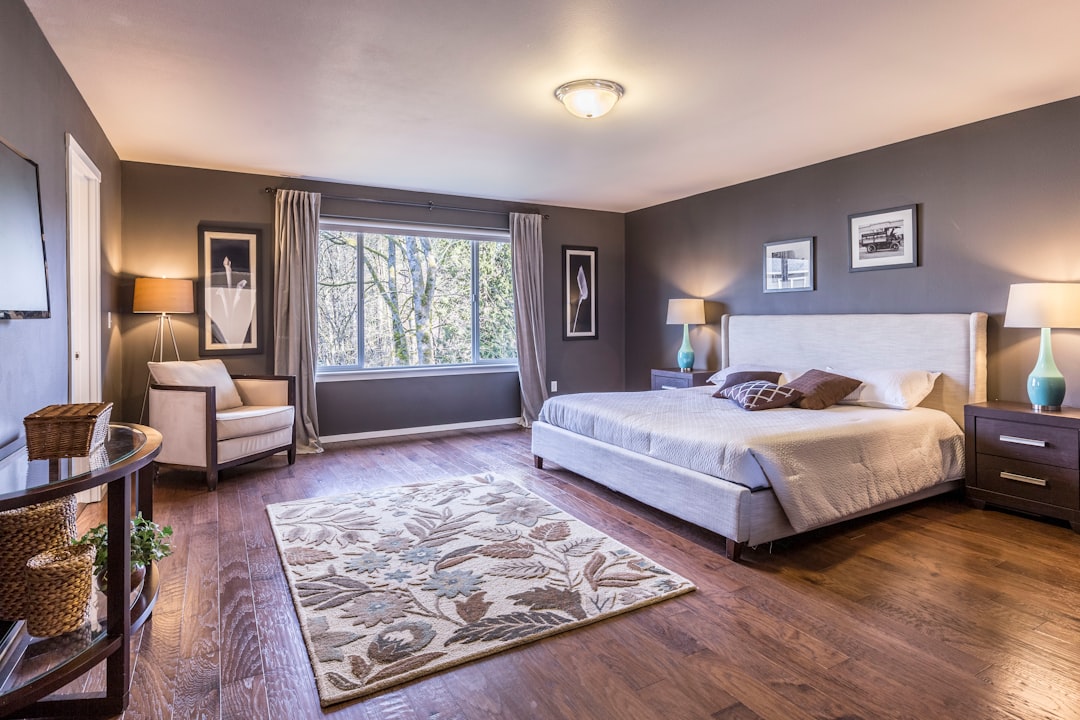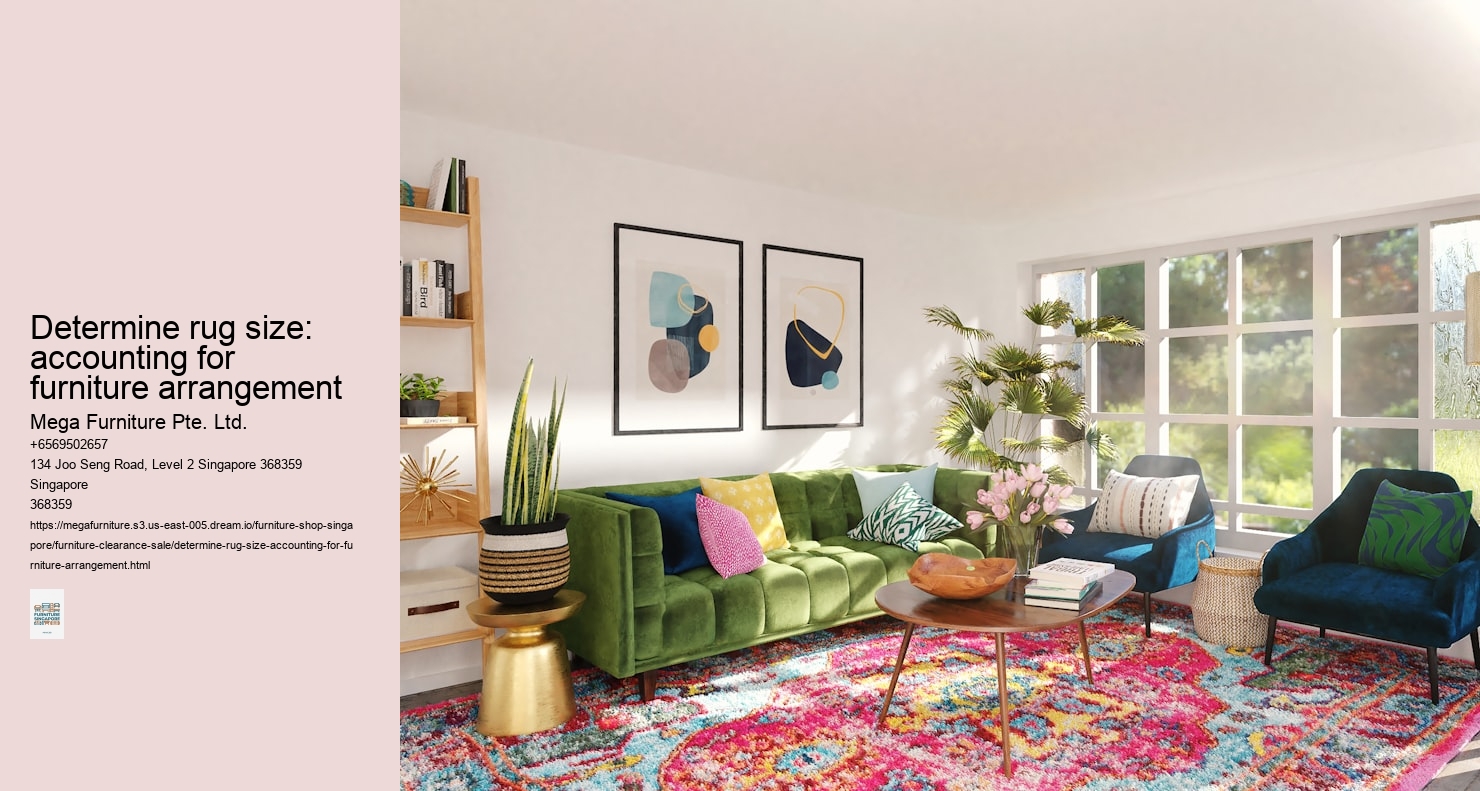
A 4-room BTO living room’s 16 sqm floorplan leaves just enough space for an L-shaped sofa and coffee table — until you add a rug that’s 30cm too small, turning the seating zone into a disjointed afterthought. Condo layouts might offer more breathing room at 20–25 sqm, but the same rule applies: measure your furniture grouping first, then work outward.
Leave 30–45cm of bare flooring around the rug’s edges; any less looks cramped, any more defeats the purpose of zoning. For standard HDB setups with a 2.1m sofa, that usually means a 200×290cm rug — large enough to tuck under the front legs of flanking armchairs while extending beyond the sofa’s ends. Families with kids often opt for polypropylene rugs here; they’re easier to clean when juice spills than a vintage Persian.
Oddly shaped living rooms — common in older flats near Tiong Bahru or Queenstown — demand more creative solutions. A 160×230cm runner can visually elongate narrow spaces, while round rugs soften angular layouts in ’90s-era condos. The trick is to treat the rug as a floorplan overlay: if your furniture arrangement were a pencil sketch, the rug should trace its outline with room to spare.
Dark-stained teak furniture pairs best with low-pile wool rugs in warm neutrals, while minimalist interiors handle bold geometric prints without overwhelming the space. One persistent mistake? Centring the rug in an empty room instead of aligning it with the seating zone — which explains why so many new homeowners end up with a rug that floats like an island.
For high-traffic areas, consider a rug pad. It’s an extra $50–$120, but prevents slips on marble floors and adds cushioning for toddlers learning to walk.
In Singapore’s humidity, a rug that doesn’t resist moisture quickly becomes a breeding ground for mould — a problem compounded when pets or kids track in spills. Polypropylene rugs, often overlooked for their synthetic feel, shine here; they’re moisture-resistant, easy to clean, and hold up against muddy paws or juice spills. Jute, with its natural fibres, offers a similar resistance but leans more toward earthy, textured aesthetics — though it’s worth noting that stains can be trickier to remove.
Wool blends, while luxurious and warm, demand more attention. They’re prone to trapping moisture, which can lead to odours if not aired out regularly. In a 4-room BTO living room with high foot traffic, that’s a commitment not every homeowner is ready for. Still, for those willing to invest the time, wool’s durability and softness make it a standout choice — just keep a dehumidifier running nearby.
Synthetics, often dismissed as “cheap,” are quietly becoming the go-to for families. They’re lightweight, easy to hose down, and come in designs that mimic pricier materials. In landed homes with open floor plans, where rugs often stretch across 240×340cm, synthetics offer a practical solution without sacrificing style. That said, they won’t last decades like wool or jute — but in a humid, pet-filled home, durability often takes a backseat to ease of maintenance.
Singaporean buyers routinely underestimate how a too-small rug shrinks visual space. A 120×180cm rug floating between sofa legs in a 4-room BTO living room creates disjointed islands rather than cohesion. Measure seating area dimensions first — standard L-shaped configurations need at least 200×300cm to anchor the ensemble. Front legs of all main furniture pieces should rest on the rug; anything less looks like an afterthought. For open-plan layouts, go bigger: 240×340cm defines zones without chopping flow.
Floral rugs paired with geometric curtains plague HDB renovations. Busy designs compete rather than complement when scaled improperly — a large-scale trellis pattern overwhelms compact spaces under 12 sqm. Stick to one statement pattern per room, balancing it with solid-coloured furniture in Tampines grey or Eunos beige. Stripes work east-west in narrow corridors; organic motifs soften angular condos. Test swatches under both daylight and warm LED lighting common in SG homes.
Polypropylene rugs shed microplastics onto marble floors with every vacuum pass. Natural fibres like jute or wool better suit Singapore’s humidity but require quarterly sunning to prevent mould in landed property basements. Low-pile cotton works for high-traffic areas near MRT station-facing doors where shoes come off. Avoid shag piles in dining areas — they trap rice grains and chili oil splatters. Performance-treated fabrics withstand toddler spills better than untreated linens.
Cool-toned rugs drain warmth from north-facing HDB flats with limited sunlight. Taupe or camel grounds spaces better than stark white in windowless corridors common in older estates like Bedok or Aljunied. Dark hues show dust faster but mask coffee stains — a trade-off for households with young children. Match undertones to existing wood finishes: red-based rugs clash with grey oak flooring trending in newer condos.
Non-slip pads buckle when stuck directly onto polished concrete — use felt-backed versions instead. Deep cleaning costs add up: a 3×4m wool rug runs $120–180 per professional wash in central neighbourhoods. Rotate rugs quarterly to prevent sun-bleaching near balcony doors. Storage becomes an issue during CNY spring cleaning; roll don’t fold to avoid permanent creases. Budget for replacement every 5–7 years with heavy use.

Walking into a showroom with a rug in mind often feels like stepping into a guessing game. Online images rarely capture texture or scale, leaving buyers to wonder if that 240×340cm wool rug will overwhelm their 4-room BTO living room or clash with their existing sofa. Megafurniture’s Joo Seng and Tampines showrooms cut through the uncertainty by letting you see rugs in context — laid out alongside furniture layouts that mirror real living spaces. It’s tactile, immediate, and far more useful than squinting at a product photo.
Scale matters more than most homeowners realise. A rug that’s too small can make a room feel disjointed, while one that’s too large risks swallowing the space. In the showrooms, you’ll find rugs paired with sofas, coffee tables, and TV consoles in arrangements that mimic typical Singaporean homes — from compact 12 sqm HDB living rooms to sprawling landed property layouts. Seeing a rug’s proportions against your furniture eliminates the guesswork; you’ll know instantly whether that minimalist solid colour works or if a patterned design adds the right visual balance.
Material choice matters too, especially in Singapore’s humidity. Staff guide you through options like polypropylene blends that resist mould and jute rugs that breathe well in tropical climates. They’ll point out which materials handle spills or pet fur better — practical advice that online retailers rarely provide. And because the showrooms carry a range of styles, from vintage Persian designs to modern geometric patterns, you can compare finishes side by side.
It’s the small details that make the difference. How does a bouclé rug feel underfoot compared to a flatweave? Does that tribal design clash with your existing decor? Questions like these are easier to answer when you’re standing in the space, not scrolling through a website. For homeowners refreshing their living room with a single high-impact piece, the showroom experience ensures you’ll get it right the first time.
Common rug sizes for living rooms include 5'x8', 8'x10', and 9'x12'. These dimensions accommodate most furniture arrangements, ensuring sofas and chairs partially or fully sit on the rug. Always measure your seating area to confirm the ideal fit before purchasing.
Rectangular rugs suit most living rooms, but round rugs work well in square spaces. Ensure the rug extends beyond high-traffic zones like walkways. Proportional sizing prevents the rug from overwhelming or underwhelming the room.
For a cohesive look, ensure front legs of sofas and chairs rest on the rug. In smaller spaces, a rug under just the coffee table can define the area. Avoid rugs that stop abruptly at furniture edges for a balanced aesthetic.
Evaluate rug pile height: suitability for high-traffic areas
A 240×340cm wool rug ordered from overseas can take 8–12 weeks to arrive — longer if it’s a custom size for an L-shaped sectional. That’s enough time for your toddler to outgrow crawling and start sprinting across bare tiles. Local stockists typically deliver within 5 working days, but their oversized options rarely exceed 200×300cm.
Check humidity clauses in warranties. Polypropylene rugs handle Singapore’s 80% RH better than jute, which may fray at edges within a year; wool’s natural moisture resistance varies by weave density. One Tiong Bahru homeowner found her Moroccan rug’s warranty voided after six months because the backing glue degraded — a common exclusion for “tropical climates”.
Return policies matter more with large rugs. A 4-room BTO living room’s 270×360cm space might fit a 240×340cm rug mathematically, but leave awkward 15cm gaps when centred under the sofa. Some retailers charge 20% restocking fees for unrolled returns — roughly $240 on a $1,200 piece — while others only accept exchanges.
Custom sizing solves fit issues but kills flexibility. That perfect 190×290cm for your angular Punggol layout won’t work if you move to a landed terrace with a 4m seating area. Standard sizes resell easier on Carousell; one Pasir Ris seller offloaded a 200×300cm cotton rug in two days, while their odd-sized 175×285cm listing gathered dust for months.
Ask about inspection periods. Seven days is common — enough to unroll and check for dye lot mismatches, but barely time to rearrange furniture twice. Humidity warping shows up later.
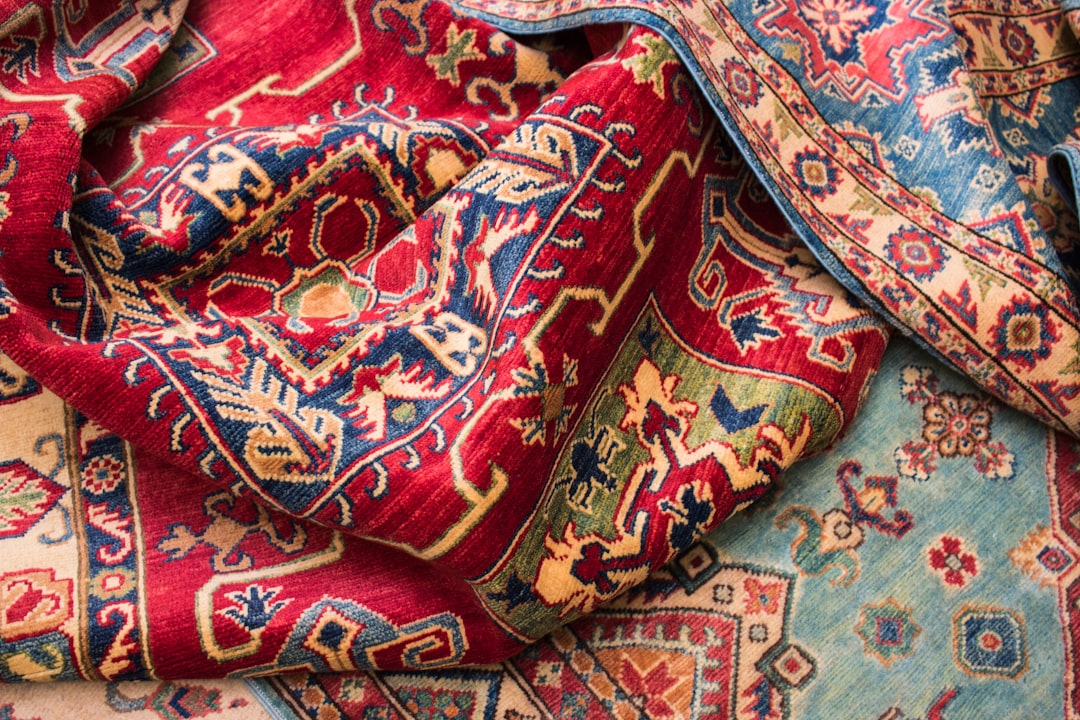
Rugs in high-rises do more than define spaces—they eat echoes. A 200x300cm wool rug under the coffee table cuts airborne noise by 30% compared to bare tiles, though it won’t stop chair scrapes from reaching downstairs neighbors. For pet accidents, blot with baking soda paste (1:1 water) before dawn’s humidity sets in; synthetic blends survive this treatment better than jute.
Mold-resistant options exist even in our wet season. Look for polypropylene rugs with rubber backings—the kind used in hotel lobbies—or treated cotton with anti-microbial coatings. They’ll outlast untreated naturals in unventilated corners behind sofa sets. One Tampines homeowner reported her $349 Megafurniture polyester rug surviving three monsoon cycles without fading or fuzz, though she religiously runs a dehumidifier at 60%.
Small spaces demand precision. In a 4-room BTO living area, keep 45cm clearance between rug edges and walls to avoid a cramped feel. Align the rug’s longest side with your sofa’s length—most Singaporean sectionals run 240–280cm, so a 160x230cm rug centers neatly under the front legs. For L-shaped layouts common in Punggol units, square rugs visually balance the asymmetry better than rectangular ones.
The real test comes during festive seasons. That time you’ll regret choosing a high-pile shag rug when red wine and pineapple tart crumbs conspire against you. Low-pile, stain-hiding patterns in grey or terracotta work harder for their keep.
A common mistake in HDB flats is buying a rug that looks perfect in-store but swallows the living room whole — or worse, floats awkwardly like a tiny island. Before committing, grab a measuring tape and mark the rug’s intended dimensions with masking tape on the floor. This step takes 10 minutes but saves weeks of buyer’s remorse.
In a typical 4-room BTO layout, aim for a rug that anchors the main seating area without crowding the walkways. For a sofa set measuring 240cm wide, a 200×290cm rug usually strikes the right balance — enough space for the front legs of the sofa and armchairs to rest on it, leaving room for foot traffic around the edges. Families with young kids or pets might lean toward polypropylene blends; they’re easier to clean and handle spills better than jute or wool.
Consider how the rug’s material will age in Singapore’s humidity. Wool rugs feel luxurious but can trap moisture in landed homes without air-conditioning; synthetic blends offer durability but might fade in direct sunlight. Maintenance matters too — a high-pile rug adds softness underfoot but collects dust faster in neighbourhoods like Tampines or Bedok, where construction dust is common.
Finally, think about how the rug fits into your daily routines. A minimalist solid-colour rug might suit a condo living room with sleek, modern furniture, while a patterned design could add visual interest to a heritage shophouse conversion. Just remember: it’s not just about how it looks on day one, but how it’ll hold up when life happens.
" width="100%" height="480">Determine rug size: accounting for furniture arrangement