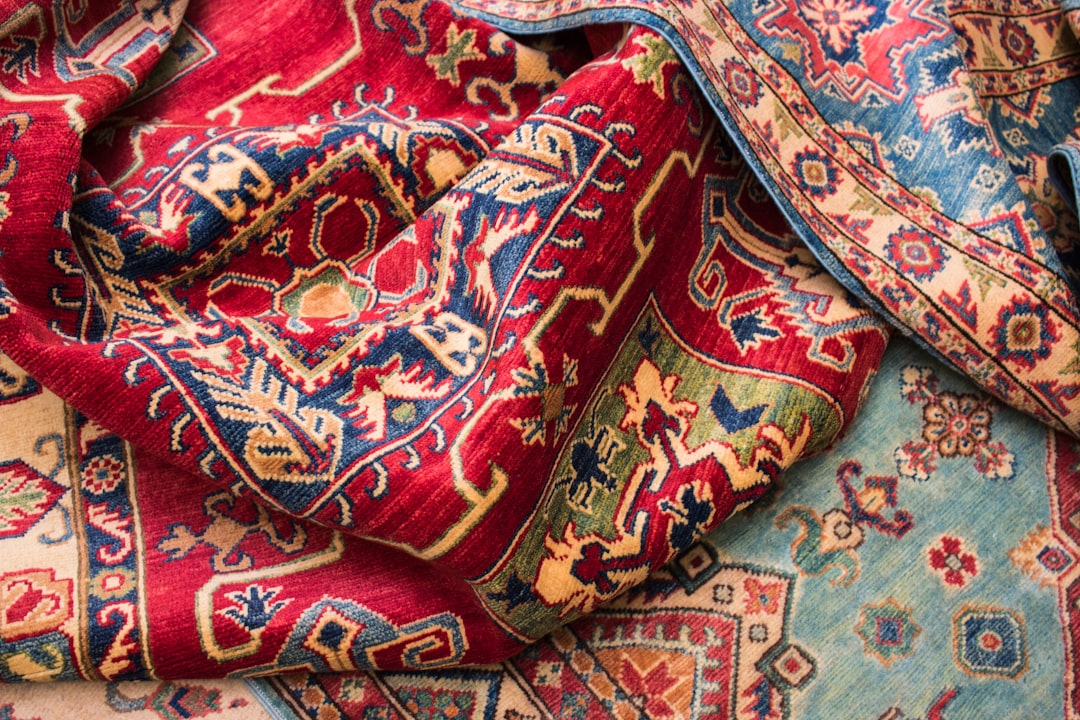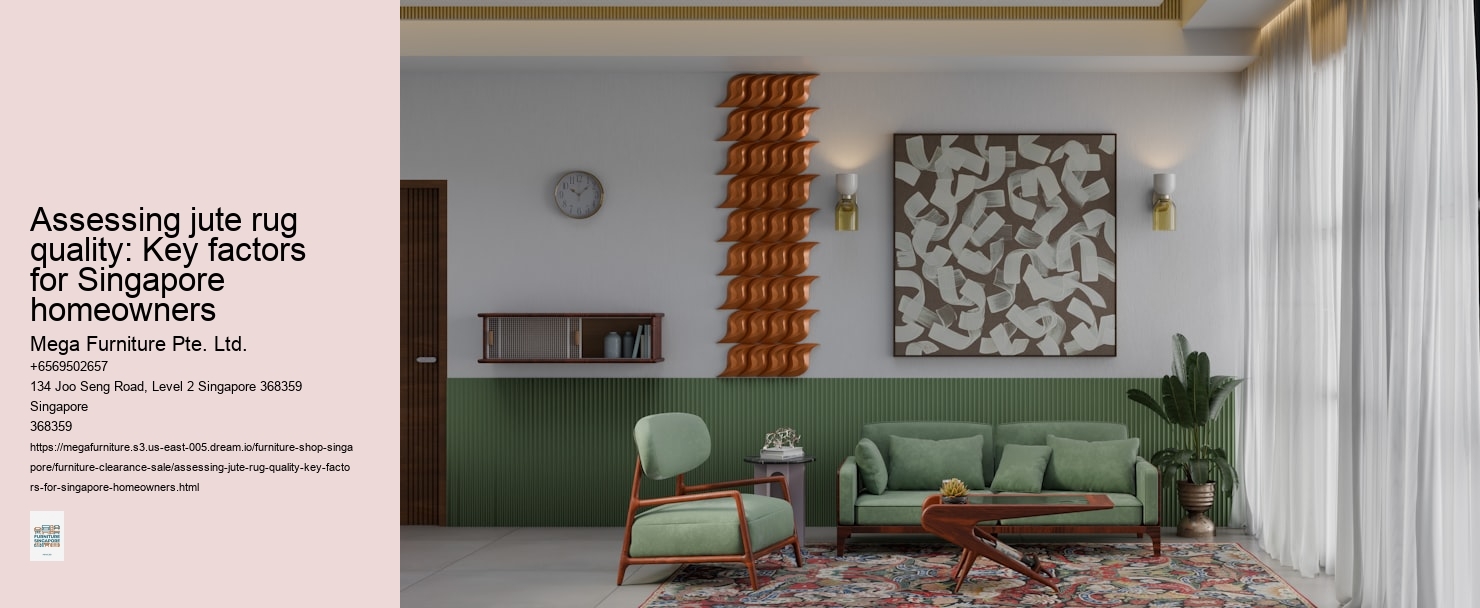
In Singapore’s compact homes, a jute rug isn’t just decor—it’s spatial alchemy. A 240×340cm piece visually expands a 30 sqm HDB living room, while a 90×150cm runner softens the echo off marble floors in a landed property’s hallway. Jute’s natural texture works overtime: defining zones in open-plan condos, masking scratches from dining chairs in resale flats, and absorbing toddler tumbles better than cold tiles.
Most homeowners underestimate how much floor protection matters until they’ve dragged a sofa across unprotected teak veneer. Jute’s tight weave handles chair legs better than loose-weave cotton, and its neutral hue camouflages coffee spills better than light wool. For BTO bedrooms where 12 sqm means the bed nearly touches the wardrobe, a 160×230cm rug creates a soft landing zone—no more icy feet on laminate at 3am.
Acoustic benefits sneak up on you. Condo dwellers near MRT lines (looking at you, Eunos and Aljunied) report fewer sound reflections off bare floors after layering jute under the coffee table. The material’s slight stiffness also helps; floppy rugs bunch up under robot vacuums, whereas a tightly bound jute stays put through daily Roomba patrols.
Budget-wise, expect $200–$400 for a quality 200×300cm piece—cheaper than replacing scratched-up engineered wood. Just avoid bargain-bin jute blends; the ones with synthetic backings trap humidity against Singapore’s ubiquitous marble, leading to musty smells. Natural jute breathes, crucial for landed homes where afternoon rains spike indoor humidity.
Megafurniture’s collection balances these needs with options sized for local spaces. Their 180×270cm jute rug fits perpendicular under a standard 210cm sofa, leaving just enough border to visually frame a Tampines BTO’s living area without swallowing it whole.
Jute fibres swell in Singapore’s 80% humidity—that’s why untreated rugs buckle at the edges after six months in a Pasir Ris condo. The good ones? Tightly woven with a latex backing, sitting flat even when the aircon’s off from 9am to 6pm.
Marble and tile floors amplify every stumble, which makes thickness non-negotiable for families with toddlers. Aim for 12mm pile height; anything under 8mm might as well be a doormat. Jute’s natural stiffness softens after a few weeks of foot traffic—unlike sisal, which stays prickly enough to deter barefoot mornings in a 4-room BTO.
Small spaces demand precision. A 160×230cm rug fits under a standard 2-seater sofa in Tiong Bahru walk-ups, leaving 30cm border to frame the seating zone. Go larger in landed homes, but skip the fringes—they catch on chair legs and unravel near East Coast’s salt air.
Natural dyes bleed when damp, so light-coloured jute belongs in aircon-heavy living rooms, not balconied units facing PIE traffic. Darker weaves hide Milo spills better, though they’ll still stain if left wet more than an hour.
The best weaves mimic carpet density without trapping humidity—check for 1.5kg per sqm weight. Lighter rugs curl at the corners; heavier ones resist shifting when kids race across them in Sengkang’s open-plan layouts.
A well-made jute rug maintains uniform pile height across its surface. Irregularities can signal poor material blending or rushed production. Opt for flat-weave designs in Singapore’s compact spaces for easier maintenance and sleek visual flow.
Authentic jute rugs showcase subtle tonal shifts, reflecting their organic origin. Avoid overly uniform dyes, as they may indicate synthetic treatments. These variations add depth to minimalist Singaporean interiors while preserving the rug’s earthy aesthetic.
High-quality jute rugs feature tightly woven fibers, ensuring durability and resistance to wear. Singapore homeowners should look for even weaving without gaps, as this indicates better craftsmanship. Denser rugs also provide a smoother texture underfoot while maintaining natural breathability.
Reinforced edges prevent fraying, a critical detail for high-traffic areas. Hand-stitched borders often signify superior quality compared to glued alternatives. Singapore’s humid climate makes sturdy edgework essential for long-term preservation.
Premium jute rugs showcase 12-16 weft threads per square inch, visible as tight crosshatching when bent. Looser weaves below 10 threads pill prematurely under foot traffic, especially in high-use areas like HDB living rooms. Run fingers diagonally across samples — quality jute resists separation, while inferior grades shed fibres immediately. Tight weaving also prevents the dreaded "banana curl" edges plaguing cheaper ruts after six months on Singapore's humid floors.
Natural jute varies from wheat blonde to caramel, but watch for chemical bleaching in discount ruts masking inferior raw material. Quality pieces maintain tonal harmony across the entire surface, without blotchy light/dark patches common in rushed dye batches. Sunlight exposure tests reveal truth — poorly processed jute yellows unevenly within months on balcony-adjacent floors. Seek rugs where colour variations flow organically, like the gradations in Burmese teak.
Unbacked jute rugs become slip hazards on polished tiles — quality options feature latex-coated cotton backing with 1.2mm minimum thickness. Press thumb firmly into sample backings; inferior foam alternatives collapse permanently under pressure, losing grip over time. Proper backing also prevents "ghosting" where rug outlines transfer onto light-coloured marble floors in humid conditions. For landed properties with frequent mopping, rubberised backings outperform felt by threefold in longevity tests.
Long-staple jute fibers (1.5m minimum) create durable surfaces that withstand years of vacuuming without fraying. Short fibers shed constantly, requiring weekly cleanup around sofa legs and coffee tables. Bend samples sharply — premium jute springs back immediately, while short-fiber versions develop permanent creases. The best ruts use Bangladeshi Tossa jute, whose 2m+ fibers naturally resist splitting even in high-traffic condo corridors.
Fresh jute should smell faintly earthy, not acrid or chemically sweet — latter signals formaldehyde treatments in discount imports. Leave samples in enclosed spaces overnight; quality jute's aroma dissipates within 48 hours, while treated versions trigger allergies persistently. Beware "odour-free" claims masking heavy perfuming agents that transfer to socks and bare feet. Properly cured jute develops a neutral scent after two weeks in well-ventilated HDB living rooms.
Singapore homeowners often underestimate how humidity warps natural fiber rugs—that beautiful jute piece from the weekend market starts fraying within months when placed directly on marble floors without a rug pad. Condo dwellers along East Coast’s marine parade face accelerated wear compared to Bukit Timah’s air-conditioned interiors, yet both groups frequently skip anti-slip underlays.
The 90×150cm accent rug mistake plagues many BTO living rooms: buyers choose a size too small to anchor their L-shaped sofa, creating visual clutter instead of defining zones. For 4-room HDB layouts, a 240×340cm rug should typically frame the entire seating area with 30–50cm clearance from walls—but most local purchases run 20% smaller than ideal.
Pattern clashes hit harder in Singapore’s compact spaces. A bold tribal design overwhelms a Tampines executive flat’s minimalist built-ins, while high-pile shag rugs collect crumbs under dining sets in Jurong West’s open-concept kitchens. Polypropylene blends handle humidity better but lack the texture of handwoven jute—homeowners who prioritise aesthetics over practicality often regret it by the first monsoon season.
Megafurniture’s showrooms demonstrate proper sizing with room mockups—their Joo Seng location stages a 5-seater sofa on a 200×300cm rug, proving how borders should extend beyond furniture legs. Yet buyers still eyeball measurements, then wonder why their living room feels disjointed. Storage becomes another pain point; rolled jute rugs jammed into Clementi HDB bomb shelters develop permanent creases.
The worst offender? Light-colored rugs in households with young children. That cream bouclé piece from the designer boutique lasts approximately three juice-box incidents before becoming a permanent stain exhibit. Parents in Punggol’s young estates learn this the hard way while scrubbing oat milk out of dhurries at midnight.
The showroom lighting hits differently when you're assessing jute rugs—those overhead spots reveal every stray fibre and weave irregularity that smartphone cameras smooth over. At Megafurniture's Tampines outlet, three rug sizes sit unrolled on mock-up flooring samples: a 160x230cm rectangle beside a faux teak platform bed, a 200x300cm defining a L-shaped sofa zone, and a circular 180cm anchoring a dining set. You'll catch yourself kicking off sandals to test pile height with bare feet; pressing palms down to gauge backing grip on marble-effect vinyl; even crouching to inspect how the natural hue shifts under warm vs cool LEDs.
Jute's organic inconsistencies become features, not flaws, once you see them in context. That slight colour variation across batches? It mimics the tonal shifts of rattan ceiling panels in landed property verandahs. The occasional thick-thin weave pattern? Adds movement under a glass coffee table in condos with polished concrete floors. Showroom staff keep fabric swatches handy—hold a cushion cover against the rug to judge whether you're building a monochrome neutral scheme or contrasting with bold teals and mustards.
Durability testing happens by proxy here. They've left a 120x170cm sample rug in high-traffic areas for months, its edges slightly frayed where countless visitors have scuffed past. You'll notice how the tighter-weave options retain structure better along walkways in open-concept HDB flats, while looser knits suit low-traffic bedroom zones. One corner displays a jute-synthetic blend that's survived toddler spills—its stain resistance obvious beside the untreated natural fibre's watermarked patches.
What clinches it for most buyers is seeing how the rug breaks up vast tile expanses in their mental floorplan. The showroom's 1:1 living room mockups demonstrate how a 230x330cm rug visually shrinks a 6m-long narrow layout, while a 90x150cm runner elongates the corridor to a Pasir Ris executive condo's balcony sightline. They've even got sample furniture legs—try sliding a dining chair across the surface to check whether those castor cups you've been avoiding might finally be necessary.
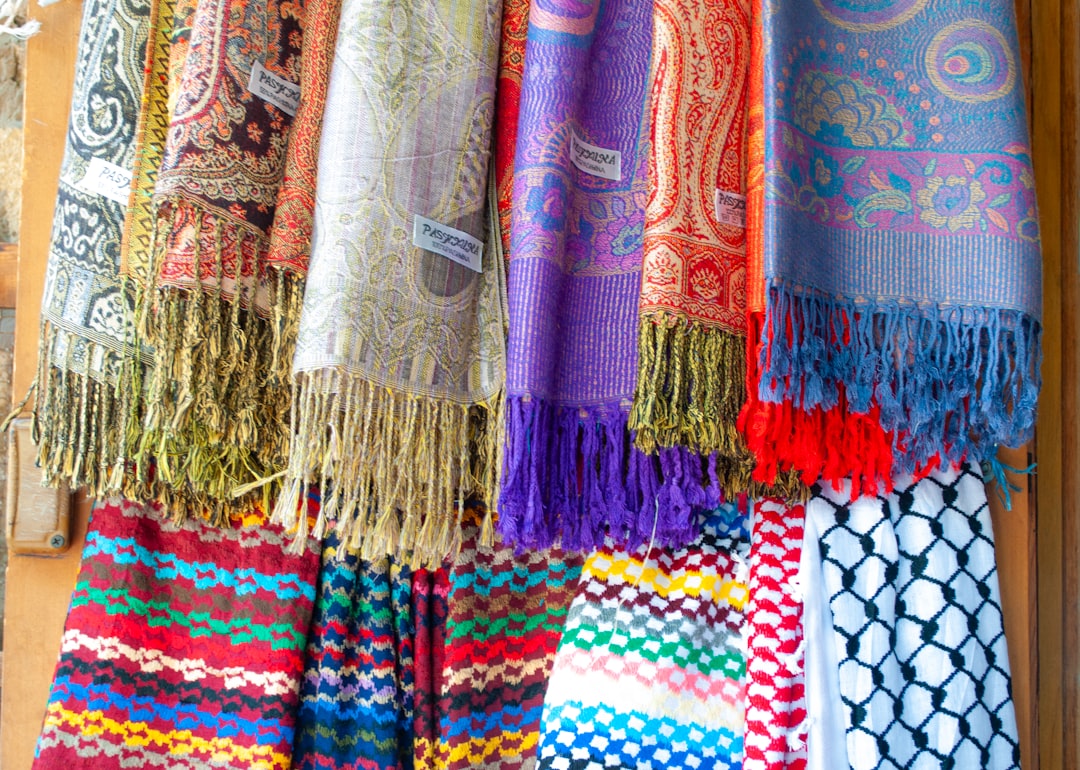
Megafurniture’s white-glove delivery teams navigate narrow HDB corridors with practiced ease—they’ve unboxed enough sectional sofas in Ang Mo Kio lift lobbies to know when to pivot at 45 degrees. Assembly typically takes under two hours for most jute rug orders, with crews laying protective sheets over marble flooring before unrolling. Their warranty covers humidity-induced fraying for three years, a critical safeguard given Singapore’s 80% average afternoon humidity. You’ll get a same-day SMS with a two-hour delivery window—none of those “between 8am and 8pm” vagaries that leave you rearranging your WFH setup. The crew brings booties, doesn’t hover for tips, and will haul away packaging debris if you’ve cleared a 1.2m x 1.2m disposal zone near the service lift. For landed properties in Siglap or Serangoon Gardens, they’ll coordinate with your security guard for after-hours dropoffs. Jute’s natural fibers expand slightly during rainy season—that faint ripple near your coffee table isn’t defective workmanship, just the material breathing. Megafurniture’s warranty explicitly covers edge-binding separation if your rug starts resembling a topographic map after consecutive monsoon months. Their
showroom staffcan demonstrate the steam-treatment process that resets the weave tension. Assembly quirks emerge in older flats—pre-war shophouse floors might need a cork underlay to compensate for uneven teak floorboards, while 1990s HDB tiles often require double-sided tape at the rug perimeter. The delivery teams carry both. They’ll also advise against stretching jute over heated flooring (common in Orchard Road condos), which accelerates fiber breakdown. Warranty claims get processed through WhatsApp photo submissions now, sparing you the ritual of folding a 2.4m x 3m rug into a taxi bound for their Tampines service center. One technician we observed fixed a moth-damaged edge binding in situ at a Joo Chiat terrace house using a portable loom—took twenty minutes and a strong kopi kosong.
Jute rugs get more questions than any other natural fiber option in Singapore showrooms — usually from young parents eyeing the texture but worrying about splinters. The good news: modern jute processing eliminates loose fibers that could harm crawling toddlers, though it’s still wise to check for tight weaving and finished edges.
Humidity maintenance comes down to three things: avoid prolonged dampness (wipe spills immediately), rotate quarterly to prevent uneven fading, and skip the rug pad if your floor already has moisture issues. Most homeowners find jute holds up fine in air-conditioned spaces, but ground-floor landed properties might prefer synthetic alternatives.
Pairing with common SG bed sizes works best when you treat the rug as a frame — 240cm widths for king beds create that magazine-worthy border, while 180cm versions suit queen beds in HDB bedrooms. The real hack? Go slightly narrower than your bed frame if you’re working with tight walkways in older flats.
Budget alternatives exist for those who love the look but need smaller solutions. Jute runners (60x200cm) define narrow corridors beautifully, while layered jute-and-cotton dhurries add pattern without committing to a full-sized piece. For high-traffic zones, Megafurniture’s collection blends jute with synthetic backings that withstand daily punishment.
The cost question always surfaces around Chinese New Year, when everyone suddenly remembers their relatives will actually see the house. A quality 200x300cm jute rug typically runs $400–$800 locally — about half the price of wool but twice as much as polypropylene. Worth noting: the natural color variations hide stains better than beige synthetics, which is why so many preschool art projects end up displayed on them.
" width="100%" height="480">Assessing jute rug quality: Key factors for Singapore homeowners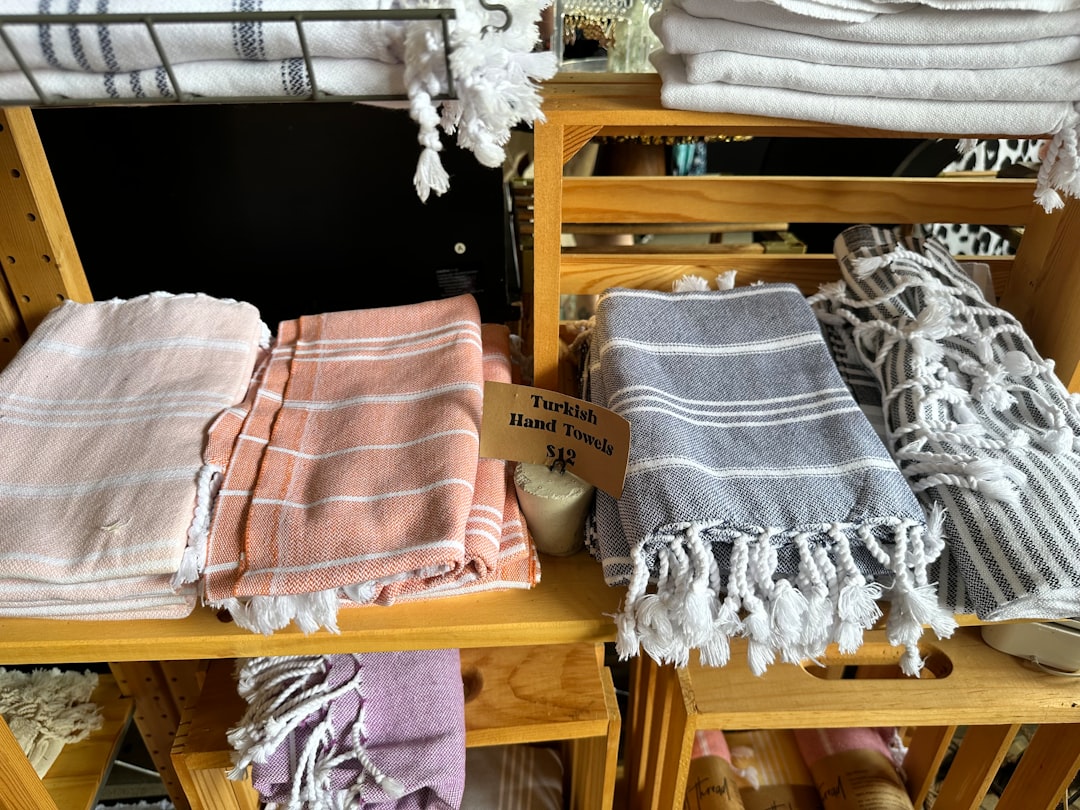
The jute rug that looked perfect in the showroom floods your living room like a beige tsunami. Measure twice—most Singaporean living rooms hover between 12 to 16 sqm, and a rug that swallows more than 70% of floor space kills airflow. Humidity tolerance matters more than you’d think; that charming organic texture turns musty by month six if your flat faces Bedok Reservoir or sits above an underground carpark. Test placements at Megafurniture’s showrooms—their Joo Seng location has mockups of HDB living rooms with common layouts (L-shaped sofas, TV consoles against feature walls). Walk barefoot on samples for 10 minutes; jute’s coarseness bothers some more than others, especially kids who sprawl on floors doing homework. Rotate the rug 90 degrees—what looked earthy and neutral under showroom spotlights might read as dirty oatmeal under your hallway’s cool white LEDs. Budget for a rug pad if you’ve got tiles or marble. Jute’s natural backing shreds on rough surfaces, leaving fibres in your robot vacuum’s brushes. The 5cm border rule still applies: leave breathing room between rug edges and walls, even in compact spaces. For high-traffic areas, consider blending jute with synthetic fibres—Megafurniture’s
woven optionshide stains better than pure natural weaves. Fold a corner to check stitching density; loose threads snag on chair legs within weeks. And always unroll it fully before buying—some weaves develop permanent creases if stored rolled too long.