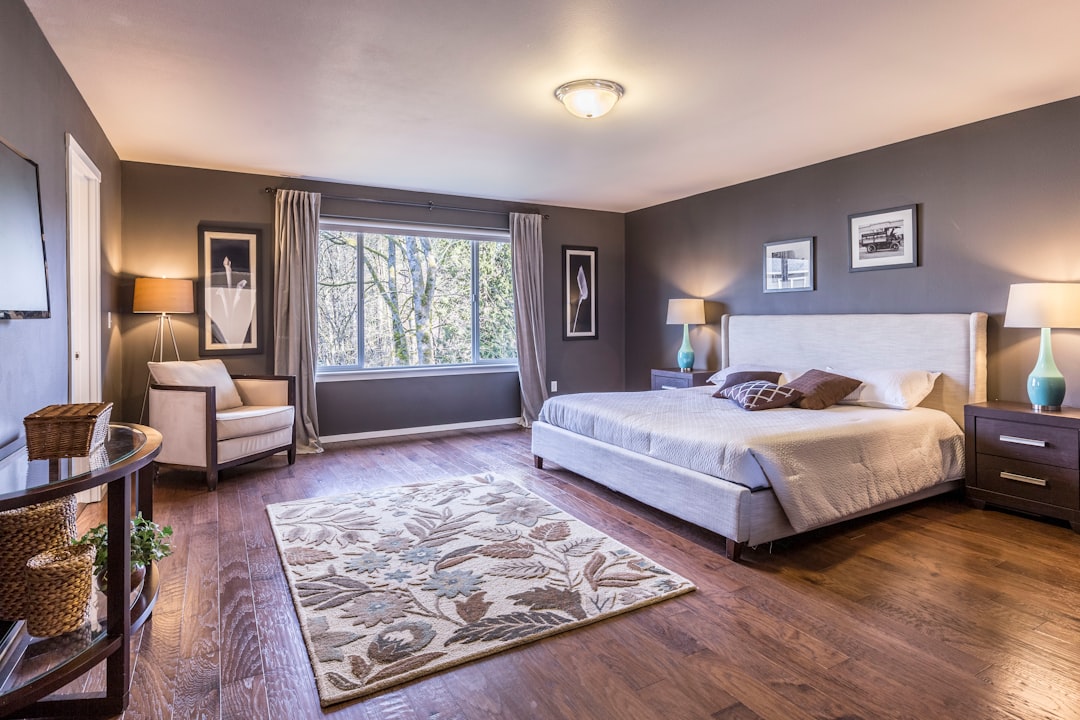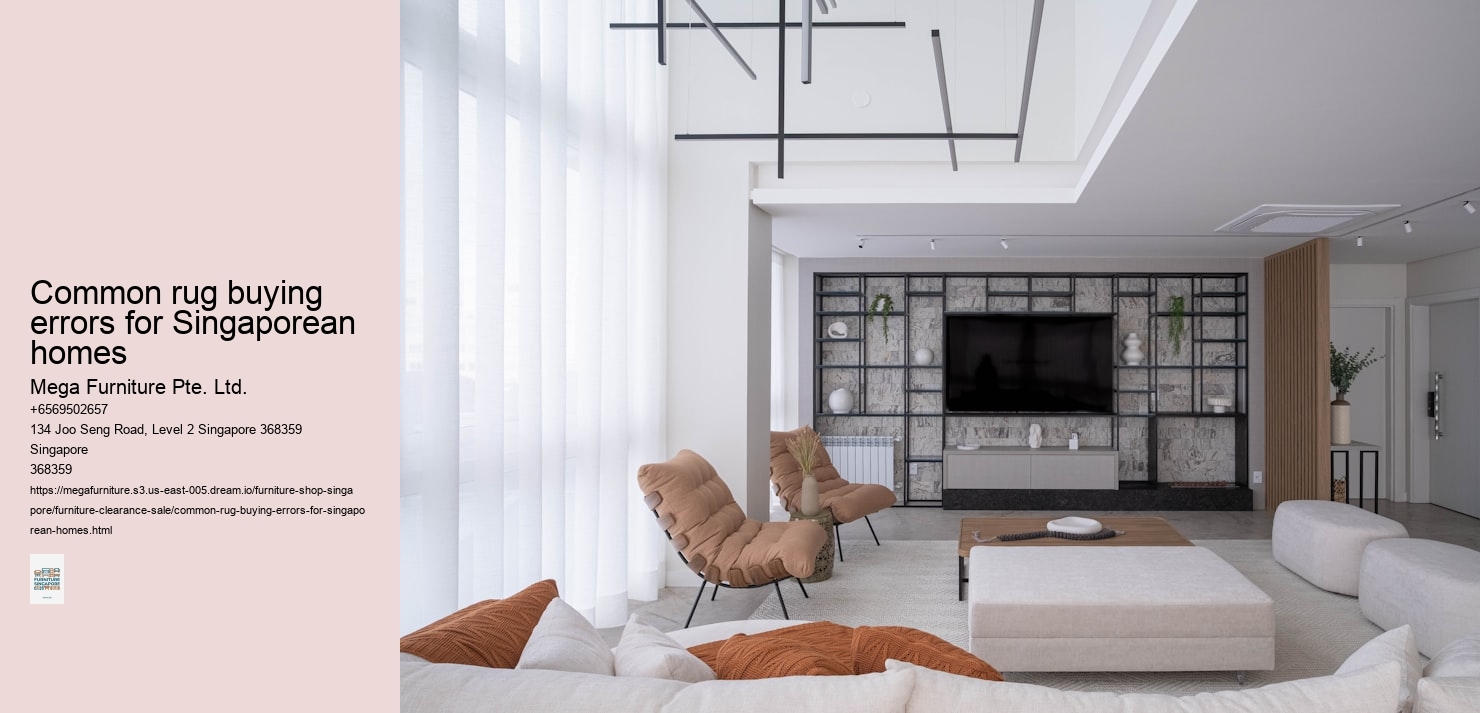
A 12 sqm HDB master bedroom often feels cramped with a rug that’s too large — the edges bunching against the bed or wardrobe, creating a tripping hazard. Condo living rooms, averaging 16–20 sqm, offer more flexibility but still demand precision; a rug that’s too small leaves the seating area floating awkwardly, while an oversized one swallows the space. Matching rug dimensions to room scale isn’t just about aesthetics — it’s practicality.
For accent rugs, 90×150cm works well in tight corners or under small coffee tables, adding texture without overwhelming the room. In larger spaces, a 240×340cm rug anchors the seating area, creating a cohesive zone for sofas and armchairs. The key is avoiding overhang — rugs shouldn’t extend into walkways — and ensuring they don’t stop short of the furniture legs.
Material choice plays a role too. Wool rugs, though pricier, offer durability and softness, while polypropylene blends are easier to clean — a plus for families with young children. Patterns can disguise spills, but solid colours often suit minimalist designs better. In many homes, the rug becomes the focal point, so it’s worth investing in something that complements the room’s scale and style.
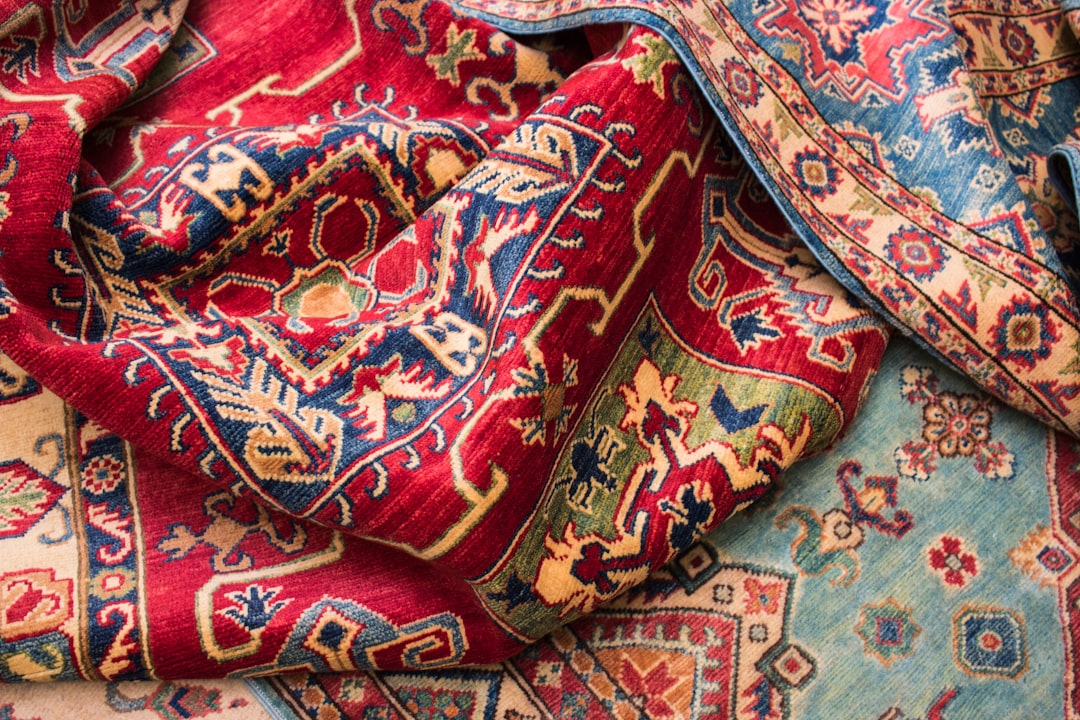
One common mistake is underestimating how much space a rug will occupy. A 240×340cm rug might look manageable in the showroom, but in a 16 sqm living room, it can dominate. Conversely, a 90×150cm rug in the same space feels like an afterthought. Measuring the room beforehand — and marking the rug’s intended placement with tape — helps avoid these errors.
In Singapore’s compact homes, every centimetre counts. A well-chosen rug doesn’t just soften the floor; it defines the room’s character, balancing function and form.
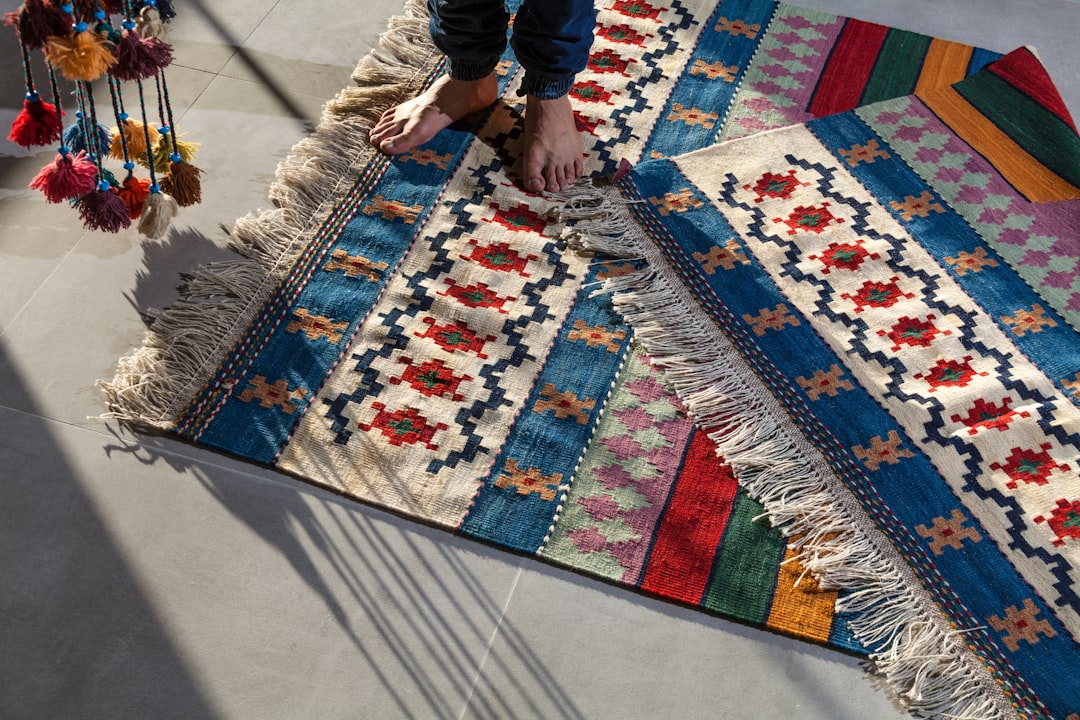
A rug in Singapore’s humidity doesn’t just fade — it can start smelling like wet socks in a matter of weeks. High moisture levels, often above 80%, make untreated materials a breeding ground for mould and mildew, especially in landed homes with poor ventilation or HDB flats near the coast. Wool, polypropylene, and synthetic blends are the go-to choices; they resist moisture absorption and dry quickly, even in air-conditioned spaces where condensation builds up.
Cotton rugs, while soft and affordable, demand vigilance. They’re prone to discolouration and mildew if left damp — think spilled drinks or a toddler’s juice box. Regular cleaning and immediate drying are non-negotiable, which makes them a hassle for busy households. Jute, though eco-friendly and stylish, is a gamble. Untreated jute fibres swell and weaken in humidity, leaving rugs misshapen and prone to fraying after a few months.
Polypropylene rugs, often overlooked for their synthetic feel, shine in Singapore’s climate. They’re stain-resistant, easy to clean, and come in designs that mimic pricier materials like wool or silk. For families with kids or pets, they’re practical without sacrificing style. Wool, though costlier, offers natural resilience to moisture and wear — a solid investment for a rug that’ll last years in a humid living room.
Synthetic blends strike a balance between durability and affordability. They’re engineered to withstand humidity without the upkeep of natural fibres, making them a favourite in many HDB flats. The key is to avoid materials that can’t handle the heat — literally. A rug that looks great in a showroom might not survive Singapore’s wet season if it’s not built for the humidity.
Polypropylene rugs dominate family-friendly setups — they resist stains, clean easily, and won’t fade in Singapore’s humid climate. Machine-washable cotton options work well too, especially for smaller rugs that fit in standard washing machines. Avoid wool in homes with toddlers; it stains easily and requires professional cleaning. Jute, while stylish, tends to trap crumbs and allergens, making it impractical for play areas. Opt for synthetic blends that mimic natural fibres without the maintenance hassle.
Low-pile rugs, typically under 1.5cm thick, are the go-to for families with young children. They’re easier to vacuum, less likely to trap dust mites, and safer for toddlers learning to walk. High-pile rugs might feel luxurious but quickly accumulate dirt and pose tripping hazards. Flatweave styles, like kilims, are another practical choice — they’re lightweight, easy to clean, and work well in humid environments. Remember, thicker isn’t better when spills and sticky fingers are daily occurrences.
Neutral tones like grey, beige, or taupe hide stains better than bold patterns, though darker shades can show dust more clearly. Subtle geometric patterns or speckled designs distract from spills and crumbs without overwhelming the room’s decor. Avoid pure white or pastel rugs — they’ll show every mark, from juice spills to muddy footprints. For a playful touch, consider rugs with small-scale patterns that camouflage wear and tear. The goal is practicality without sacrificing style.
In 4-room HDB living rooms, a 240×340cm rug typically anchors seating zones without overwhelming the space. For smaller areas, like a 12 sqm condo living room, a 160×230cm rug works better — large enough to define the space but not so big it collects dirt in unused corners. Always leave at least 30cm of flooring exposed around the rug’s edges; this creates a clean border and makes vacuuming easier. Measure your furniture layout before buying — the rug should extend slightly beyond the sofa and coffee table.
Regular vacuuming, at least twice a week, keeps dust and allergens at bay — essential for homes with young children. Spot clean spills immediately using mild detergent and water; avoid harsh chemicals that could damage synthetic fibres. Rotate the rug every six months to prevent uneven wear, especially in high-traffic areas. For machine-washable rugs, use a gentle cycle and air dry to preserve the fabric’s integrity. A well-maintained rug not only lasts longer but also stays hygienic for crawling toddlers.
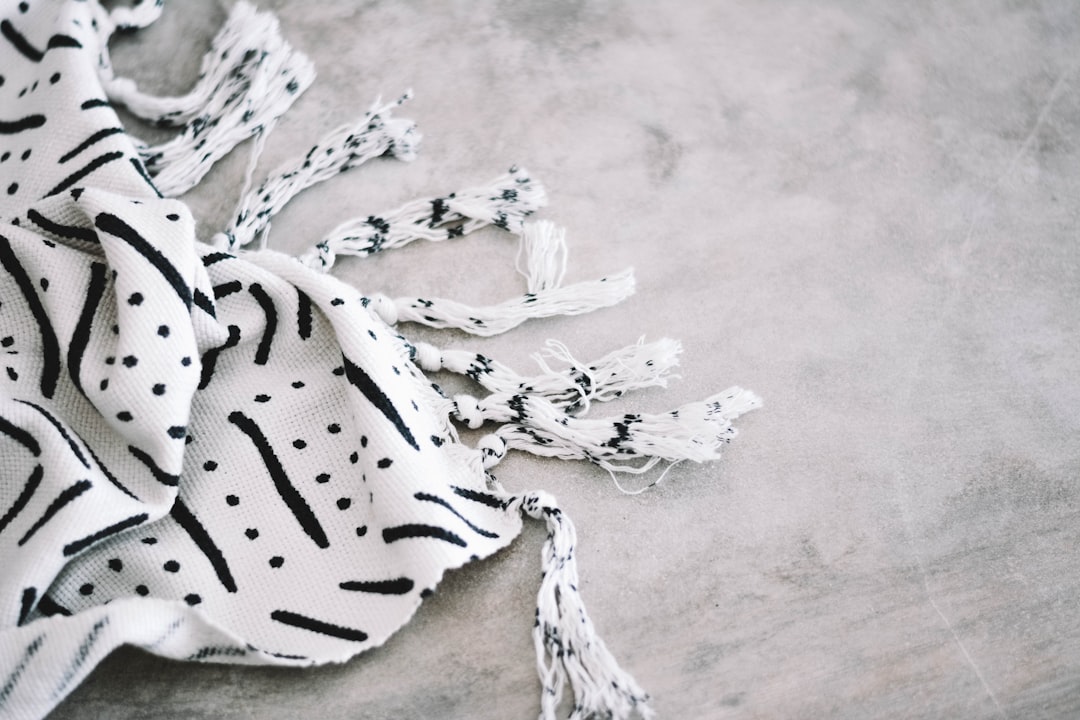
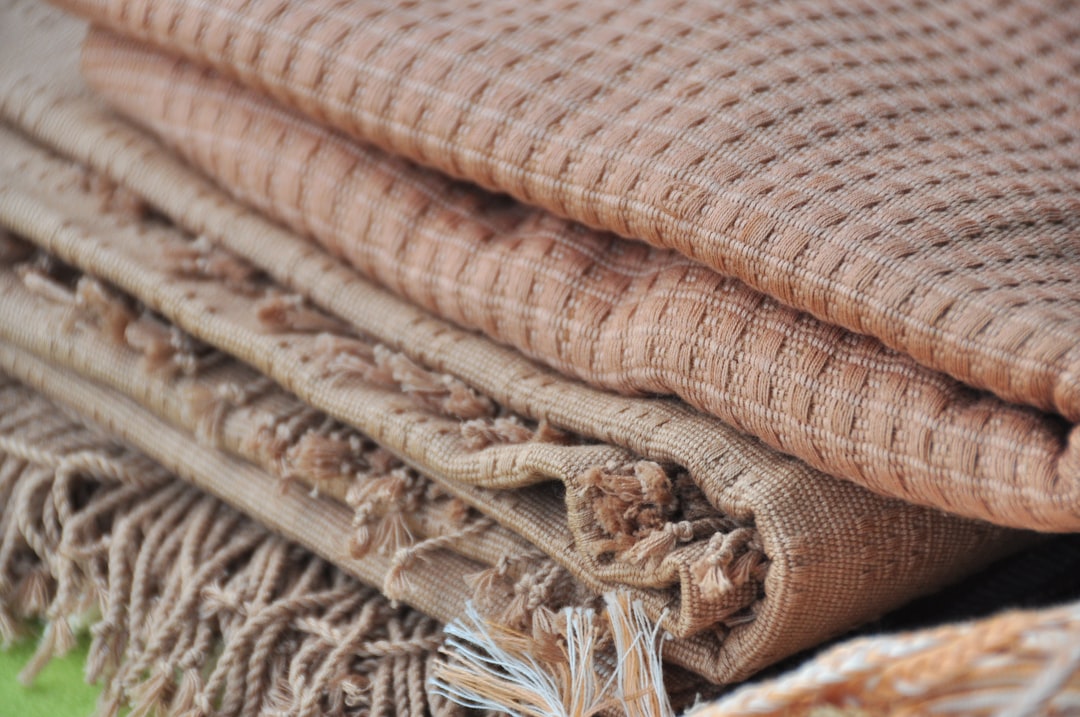
A rug that stops 30cm short of the sofa legs does more than look awkward—it turns your living room into a disjointed archipelago of furniture islands. Singaporean buyers routinely underestimate how much floor space a rug should command, especially in open-plan HDB layouts where zoning matters. The worst offenders are 120×180cm rugs floating mid-room like postage stamps, forcing all seating onto hard flooring while the rug becomes a glorified coffee table coaster.
Sunlight bleaches patterns faster than most realise—east-facing condo windows can fade synthetic rugs within 18 months, leaving once-vibrant tribal motifs looking like watercolour smudges. Yet buyers still prioritise Instagram-friendly designs over UV-resistant wool or solution-dyed polypropylene, especially for balcony-adjacent spaces. That teal Moroccan shag rug might pop against your grey L-shaped sofa now, but wait until the afternoon sun hits it daily through sheer voile curtains.
Density gets overlooked too. Thin 8mm rugs buckle under heavy coffee tables, while plush 25mm piles trip up elderly relatives in narrow corridor-like living rooms common in 4-room BTO flats. Then there’s the maintenance blind spot: light jute rugs in homes with toddlers become crumb traps, and dark rugs in pet-friendly landed properties show every white fur strand.
The right rug anchors the room without swallowing it—240×300cm for L-shaped sectionals in 40sqm living rooms, 200×290cm for compact 3-seater setups. Leave 45–60cm of flooring exposed at the perimeter unless you enjoy the "carpeted showroom" effect. For high-traffic areas, loop-pile constructions outlast cut-pile when faced with daily schoolbag drops and grocery hauls.
Megafurniture’s throws and cushions collection offers coordinating textures for those committing to a rug-centric refresh. Just remember: a rug that’s 20% too small makes the whole room feel 50% more temporary.
The Joo Seng showroom’s rug section smells faintly of new wool—a good sign. You’ll find stacks of samples sorted by pile height: 8mm for high-traffic areas like hallways, 12mm for living rooms where bare feet linger. Unroll a 200×300cm vintage Persian-style rug over their mock-up HDB flooring; watch how the reds pull warmth from homogeneous tiles. Thickness matters more than most buyers realise. A 5mm flatweave might look chic under a dining table, but it won’t soften the clatter of chairs in a landed home’s echoing hall. Megafurniture’s staff keep tape measures handy—they know Singaporeans eyeballing 240×340cm sizes often forget to account for sofa legs. Natural fibres dominate their curated selection. Jute rugs work in air-conditioned bedrooms (less shedding), while polypropylene copies of tribal designs handle balcony humidity. Avoid pairing deep-pile wool with wheeled office chairs; you’ll end up with tracks like a MRT line through your home office. Their Tampines branch displays rugs under three lighting conditions. What looks beige under showroom LEDs might skew yellow in your BTO’s north-facing living room. Bring fabric swatches or wall paint samples—the staff don’t mind comparisons. Synthetic blends hide stains better than wool, crucial for families with toddlers. Spill teh tarik on a cream rug during a visit, and you’ll see their cleaning demo firsthand. They keep club soda behind the counter for a reason.
Megafurniture’s rug collectiongroups options by maintenance level. Low-pile, machine-washable cottons go in one corner; handwoven statement pieces requiring professional cleaning sit elsewhere. The sales team won’t push the latter unless you’ve got a helper or dry-cleaning budget.
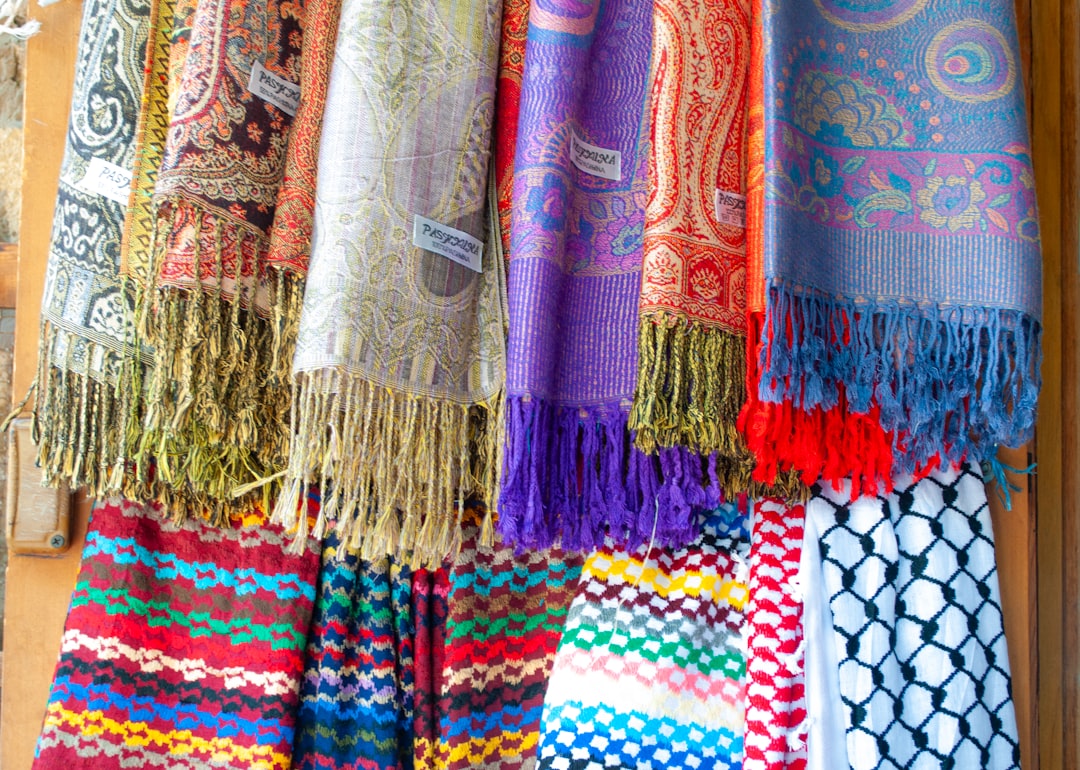
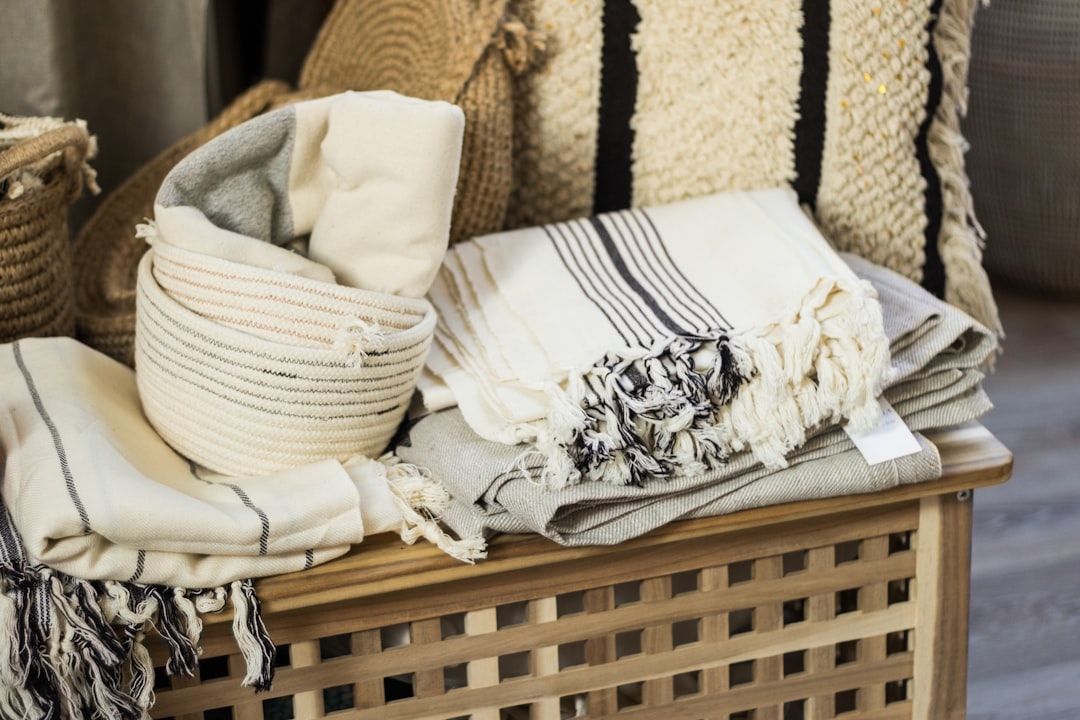
Singaporean rug buyers often overlook two critical moments: the delivery team’s arrival and the first monsoon season. Local providers like Megafurniture sometimes include free assembly for landed properties—check if your HDB lift landing requires additional fees or stair charges. That 240×340cm wool rug won’t fit in most condos’ service lifts; measure your building’s cargo lift dimensions against the rolled rug’s diameter before confirming delivery.
Humidity here warps natural fibers faster than wear. Rotate your rug every three months—more often near balcony doors or under dining sets where spills concentrate. Professional cleaning every six months isn’t optional; trapped moisture beneath synthetic rugs breeds mold that regular vacuuming misses. Skip the “anti-mold spray” gimmicks—proper drying after steam cleaning matters more.
Stains set quicker in our climate. Blot coffee spills immediately with a microfiber cloth (never rub), then sprinkle baking soda overnight. For landed homes, hose down reversible outdoor rugs monthly—but avoid direct midday sun that fades colors. Indoor rugs near windows benefit from UV-filtering films more than “sun-resistant” claims.
Storage prep matters when redecorating. Roll—never fold—wool rugs with acid-free paper, and stash them vertically in climate-controlled storage. That $2,400 Persian rug deserves better than under-bed storage where silverfish thrive. Some providers offer discounted off-season pickup and storage—worth negotiating during year-end sales.
The real test comes during the first deep clean. Cheap polypropylene rugs pill after aggressive scrubbing, while hand-knotted wool sheds excessively if vacuumed with a beater bar. Know your rug’s backing material too—latex-backed styles degrade faster on marble floors than felt-backed ones. Browse maintenance guides alongside product specs at Megafurniture’s collection before committing.
Can rugs work with marble floors? Absolutely — but they’ll slide without proper anchoring. Non-slip pads are essential, especially in high-traffic areas like HDB hallways or landed home living rooms. Opt for pads with a rubberised grip; they’re discreet and won’t leave marks on the marble.
Polypropylene or wool? Polypropylene wins for practicality — it’s stain-resistant, easy to clean, and holds up well against pets. Wool, on the other hand, offers unmatched softness and durability, though it demands more care. In humid SG climates, wool rugs might need occasional airing to prevent mould.
What’s the best rug size for compact condos? A 180×270cm rug typically works well in 4-room BTO living rooms, anchoring the seating area without overwhelming the space. Smaller rugs, like 120×180cm, can look lost; larger ones might make the room feel cramped. For studios or 3-room flats, consider a runner — it defines zones without eating up floor space.
Colour and pattern matter too. Light-coloured rugs brighten darker rooms but show stains more easily; darker tones hide dirt but can make small spaces feel heavier. Patterns add visual interest, but in compact condos, simpler designs often work better — they don’t compete with other decor elements.
Maintenance is key. Regular vacuuming keeps rugs looking fresh, especially in homes with kids or pets. Rotate the rug every few months to ensure even wear — sunlight and foot traffic can fade or flatten certain areas over time.
In Singapore’s humid climate, a rug that looks stunning online can warp or fade within months — especially if it’s the wrong material or size for your space. Before committing, measure your living room’s hard flooring and consider how the rug will anchor your seating area. A 240×340cm rug might dominate a compact HDB living room, while a 150×230cm piece could leave a landed home’s marble floor feeling bare.
Material choice is just as crucial. Wool rugs, while durable, can trap moisture in high humidity; polypropylene blends, on the other hand, resist mould and are easier to clean. Families with young children often lean toward synthetic options — they’re softer underfoot and less likely to stain from spills. For minimalist interiors, solid colours or subtle textures work best, while bolder patterns can add depth to larger spaces.
Maintenance is where many homeowners underestimate the commitment. A rug that requires professional cleaning every few months might not suit busy families, whereas machine-washable options offer convenience. Don’t overlook the rug pad — it prevents slipping on polished tiles and extends the rug’s lifespan.
Visiting a showroom like Megafurniture’s Joo Seng or Tampines locations lets you see and feel the rug in person. Lay it out on a similar floor surface to gauge how it complements your existing furniture and lighting. It’s a chance to confirm the texture, colour accuracy, and overall fit before making the final call.
Many Singaporean homeowners overlook measuring their living space before buying a rug, leading to awkward fits. A rug too large overwhelms compact HDB layouts, while one too small floats oddly in the space. Always map out furniture placement and walkways to determine the ideal rug footprint.
A common mistake is selecting rugs that don’t align with sofa or coffee table proportions. Front legs of seating should anchor on the rug to create visual cohesion in small spaces. For studio apartments, opt for round rugs to soften angular furniture arrangements.
Tropical humidity demands breathable, mold-resistant rug materials like cotton or jute—avoid heavy wool that traps moisture. Synthetic fibers work well for high-traffic areas but may lack the elegance of natural options. Consider maintenance needs; low-pile rugs handle spills better in busy households.
Smooth marble or tile floors in local homes increase slip hazards with unsecured rugs. Invest in anti-slip pads or rugs with built-in grips, especially for elderly or child-friendly spaces. Thin rugs curl easily—choose thicker weaves or double-sided tape for stability.
Bold rug patterns compete with Singapore’s often vibrant wall colors or busy flooring textures. Neutral tones balance bright interiors, while monochrome designs suit minimalist themes. Test rug samples under both natural and artificial light to avoid mismatched undertones.