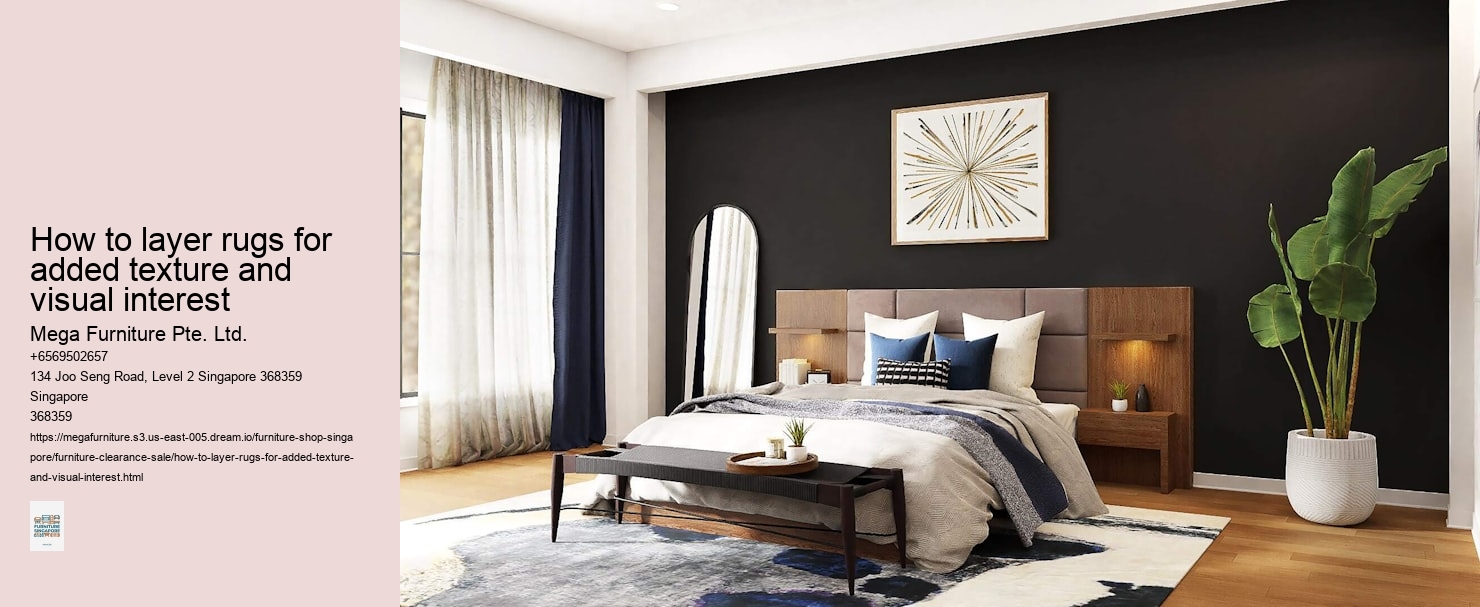
HDB bedrooms shrink to 12 sqm in newer BTOs—just enough space for a queen bed and narrow walkways, leaving rug choices constrained to 160×230cm at most. Condo living rooms typically offer 18 sqm, where layered rugs can define zones under coffee tables or sofas. Humidity complicates both: wool traps moisture against Singapore’s concrete floors, while polypropylene’s synthetic weave resists mould but lacks the plushness buyers expect in master bedrooms. Megafurniture’s 160×230cm synthetic options work for BTOs—thin enough to tuck under bed frames without tripping hazards, yet large enough to anchor the room. Their textured weaves mimic higher-end materials visually, though seasoned homeowners will notice the difference underfoot. Condo dwellers often layer these with a smaller accent rug (90×150cm) near seating areas, creating depth without overwhelming the space. The real challenge comes when combining rugs with built-in cabinetry. HDB bedrooms frequently feature floor-to-ceiling wardrobes that leave only a sliver of exposed flooring—here, a rug must be precisely sized to avoid bunching near sliding doors. Condos, with their walk-in closets, have more flexibility, but their marble or hardwood floors demand non-slip backings that BTO’s homogeneous tiles don’t. Maintenance splits opinions too. Polypropylene rugs can be hosed down on balcony tiles—a practical perk for families with young kids or pets. Wool enthusiasts counter that nothing beats its sound absorption in high-rise living, even if it means weekly vacuuming to prevent dust mites. The compromise? A
blend with jute bordersfor structure and a synthetic center for easy spills. Condo renovations often prioritize rug layering early—before furniture arrives—while HDB owners tend to treat it as an afterthought. That’s a mistake. A well-placed rug can visually expand a cramped bedroom, but only if it’s scaled to the room’s proportions, not the bed’s.
Singapore’s humidity doesn’t just frizz hair—it warps untreated jute rugs within months, leaving them buckling at the seams like overcooked lasagne sheets. Condo owners with marble floors know the drill: that slight morning dampness means every natural fibre rug needs an anti-slip pad underneath, unless you fancy your living room becoming a slip-and-slide by noon.
Treated cotton-viscose blends hold up better, resisting mould while still breathing—critical for landed properties where afternoon thunderstorms send RH spiking past 80%. The trick’s in the tight weave: looser knits trap moisture against cool marble, while denser ones (like those in Megafurniture’s anti-slip rug pads) create enough airflow to prevent that musty kampung house smell.
Families with kids should skip sisal entirely—those fibres stiffen into splinter hazards when damp. Opt instead for polypropylene rugs with latex backings; they won’t win design awards, but they’ll survive juice spills and impromptu picnic sessions. For texture without the risk, layered synthetic kilims over rubber mats add grip on polished tiles—just avoid shag piles in east-side neighbourhoods where sea breeze salt accelerates corrosion on metal rug studs.
Marble-floored bungalows have it worst—the stone’s thermal mass means condensation forms long after the rain stops. One Tampines homeowner swears by rotating her wool rugs quarterly, letting each dry fully in the service yard while the others take turns indoors. Not an option in HDBs? Stick to machine-washable cotton flats that can be tossed in the dryer during monsoon season.
" width="100%" height="480">How to layer rugs for added texture and visual interestNon-slip rug pads are non-negotiable in homes with toddlers — the 3mm gripper varieties from neighbourhood hardware stores outperform pricier "eco" versions. Layer them under both the base rug and top decorative piece, extending 5cm beyond all edges. Pasir Ris condo dwellers report fewer falls after switching from flimsy adhesive tapes to cross-weave rubber backings. Test grip monthly by tugging corners during playtime; re-stretch any bunched areas immediately. For high-traffic zones, combine with double-sided carpet tape at the perimeter.
Maintain a 4mm differential between layers — an 8mm Moroccan shag over 12mm jute creates enough definition without tripping hazards. Thinner top rugs slide dangerously, while equal heights cause edge curling. Measure with a coin: stack two 20-cent pieces for the base layer, one for the decorative layer. Exception: flatweave kilims can safely layer over 6mm mats in low-traffic areas. Always check clearance under swing doors after layering.
Silicon sandbags sewn into base rug corners prevent flipping during toddler races from sofa to TV console. DIY versions using washed playground sand in muslin bags work better than store-bought weights in humid climates. Position them 15cm inward from each corner to maintain drape. For homes with floor vents, opt for breathable mesh pouches filled with ceramic beads. Remove and sun-dry weights quarterly to prevent mildew.
High-contrast borders help toddlers visually distinguish layered rugs from flooring — think navy binding on cream sisal or black piping on red dhurries. Avoid tonal gradations that blend edges, especially in afternoon light through balcony doors. Tactile cues like braided edges also work; run your palm along the perimeter to check for protruding threads weekly. Some Tampines families swear by glow-in-the-dark stitching for night safety.
Leave 40cm of bare flooring around layered rugs in play areas — enough space for stumbling recovery but not so much that kids treat it as a runway. Mark these zones with washi tape until the habit forms. Avoid placing layered rugs beneath coffee tables where juice spills demand frequent lifting. In HDB living rooms, align the rug stack parallel to sofa legs rather than floating mid-room. Always check that layered edges don't overlap electrical cord runs.
Layer a round rug over a rectangular base to break monotony. Geometric or irregular shapes add dynamic movement. Ensure the top rug’s size complements furniture groupings.
Start with a larger neutral rug as the base to anchor the space. Layer a smaller, patterned or textured rug on top to create contrast. Ensure the top rug is offset slightly for an organic, effortless look.
Choose a dominant color from your base rug for the top layer’s accent hues. Soft tonal variations create harmony, while a pop of contrast adds energy. Keep the palette cohesive with the room’s decor.
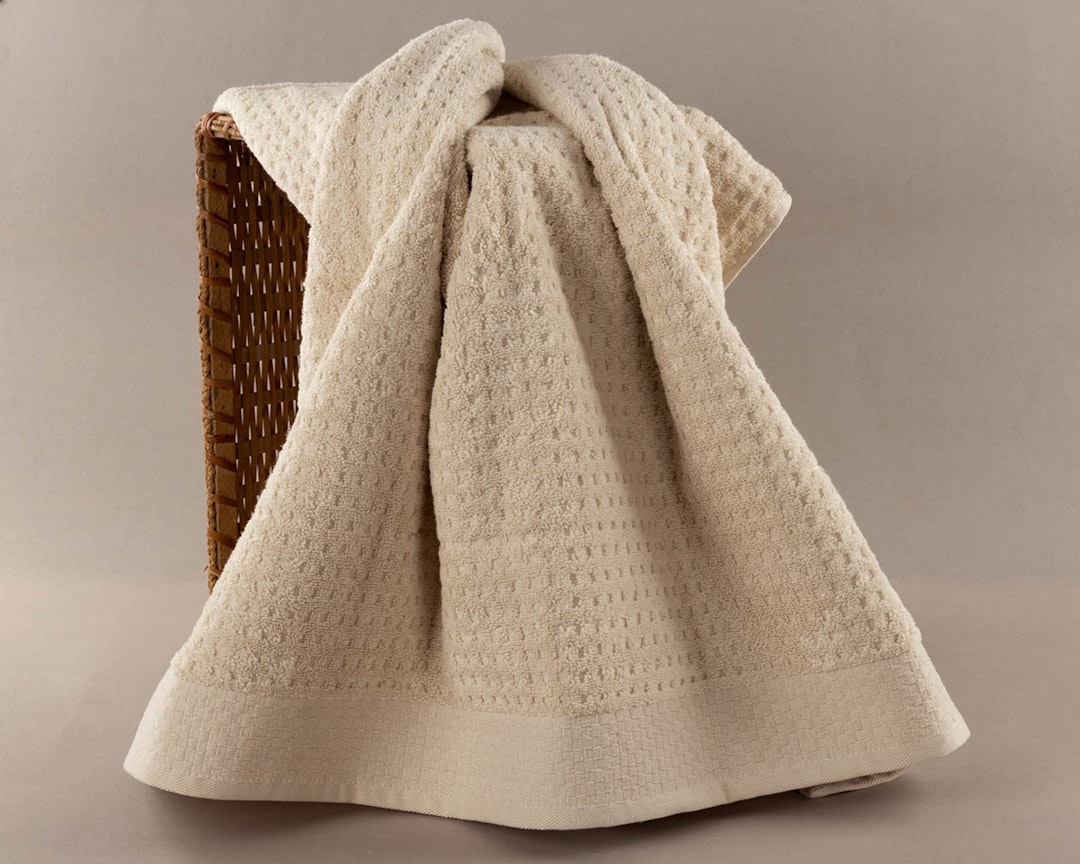
Pair a flat-weave jute rug with a plush wool or shag rug for tactile contrast. Avoid overwhelming the space by limiting bold textures to one rug. This adds dimension without cluttering the visual flow.
Use layered rugs to define separate areas in open spaces, like a seating nook. Align the top rug with key furniture pieces for intentional placement. This subtly guides traffic flow.
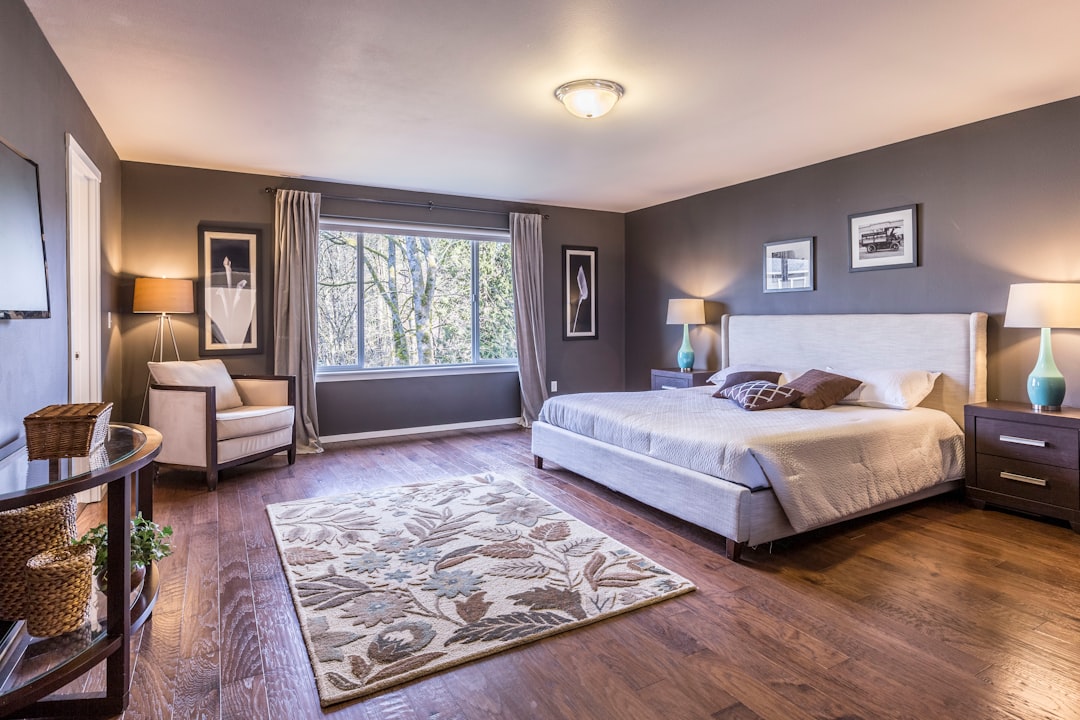
In a Tampines BTO with an L-shaped sofa configuration, the dining area often blends into the living space — a common challenge in open-plan HDB layouts. A 200×300cm neutral base rug layered with a 120×180cm tribal print can effectively demarcate the dining zone without disrupting the flow. The larger rug grounds the space, while the smaller one adds visual interest and subtly signals the transition between areas.
Material choice matters here. A polypropylene base rug is practical for high-traffic zones — it’s durable, easy to clean, and resistant to spills. Pair it with a wool-blend tribal print rug for texture and warmth. This combination not only defines the dining area but also adds depth to the room’s overall aesthetic. Families with young children often favour this setup for its softness underfoot and ability to withstand daily wear.
Placement is key. Position the base rug so it extends slightly beyond the dining table, ensuring chairs remain on the rug even when pulled out. The tribal print rug can be centred under the table or angled to follow the room’s geometry. In many homes, this layering technique creates a cohesive look while maintaining functional separation between zones.
Consider the sofa configuration when planning the layout. In an L-shaped setup, the base rug should anchor both the seating and dining areas, creating a unified foundation. The tribal print rug then acts as a focal point, drawing the eye to the dining space without overwhelming the room. This approach works particularly well in compact 4-room BTO layouts, where every square metre counts.
For homeowners refreshing their living room, this layered rug solution offers a high-impact update. It’s a practical way to introduce texture and colour while addressing the perennial challenge of zoning in open-plan HDBs. Browse options for throws and cushions to complement the look.
At Megafurniture’s Joo Seng showroom, texture takes centre stage — literally. Fifteen layered displays showcase combinations like sheepskin draped over flatweave rugs, a pairing that’s become a favourite for Orchard Road condos aiming for both luxury and practicality. Staff don’t just arrange these setups; they demonstrate how to maintain them, offering tips on vacuuming high-pile rugs without flattening their plushness. The displays highlight how texture can transform a space. A wool rug layered with a jute base adds depth to a minimalist living room, while a patterned vintage piece paired with a neutral flatweave softens the look in landed homes. These combinations aren’t just visual; they’re tactile, inviting you to step barefoot onto the layered surfaces. For families with young children, the showroom’s setups are practical. High-pile rugs provide soft landing spots, while durable flatweaves underneath ensure longevity. Staff emphasise the importance of choosing rugs with easy-to-clean materials — a nod to Singapore’s humid climate and the inevitable spills that come with kids. One standout display features a sheepskin rug layered over a geometric flatweave. It’s a combination that works well in open-concept living rooms, visually zoning seating areas without the need for bulky furniture. The sheepskin’s softness contrasts with the flatweave’s structured pattern, creating a balance that’s both cosy and organised. If you’re refreshing your living room with a single high-impact piece, Megafurniture’s textured combinations offer inspiration. Browse the
optionsand see how layering can elevate your space — whether it’s a 12 sqm HDB common bedroom or a sprawling landed home.

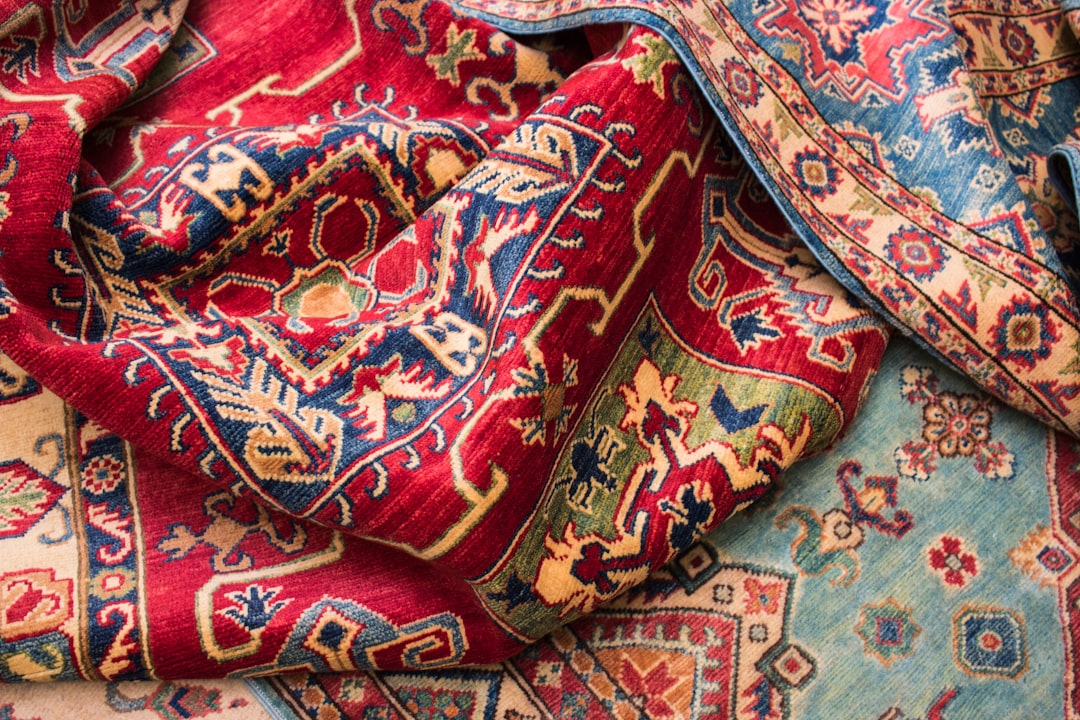
That moment when your new 240×340cm rug arrives—rolled tighter than a kueh dadar—only to jam sideways in the HDB lift doorframe. Bukit Batok residents learned this the hard way last year when a Persian-style wool piece got wedged diagonally between floors, requiring SCDF intervention. Most HDB lifts have 80cm-wide doors, but the real bottleneck is the 200cm diagonal clearance when turning corners.
Measure twice: delivery teams typically charge $80–$120 for aborted attempts when oversized items won’t fit. For landed properties with spiral staircases, Megafurniture offers free rug cutting services—their technicians will trim edges onsite to navigate tight turns.
The solution isn’t always downsizing. Some buyers opt for modular rugs (90×150cm tiles that interlock) or reversible runners (30×200cm) that feed through lifts vertically. Natural fibres like jute bend easier than thick wool blends, though they’ll shed more in humid hallways.
Pro tip: delivery crews familiar with Tampines and Joo Seng HDB clusters know to park the trolley diagonally before attempting the turn at lift landings. They’ll also check if your block has service lifts—those often have 10cm extra clearance.
One couple in Eunos solved it by having their rug delivered during off-peak hours, then manually angling it through the lift while holding doors open with a mop handle. Not recommended, but it worked.
Curry stains on wool rugs are a common headache in Singaporean homes — especially in open-concept layouts where the dining area spills into the living space. Immediate action is key: mix baking soda with a little water to form a paste, gently apply it to the stain, and let it sit for 15 minutes before blotting with a damp cloth. Avoid scrubbing; wool fibres can fray easily, leaving a worse mess than the stain itself.
Polypropylene rugs, meanwhile, are a favourite among pet owners for their chew-resistance. According to discussions on SG Pet Owners Forum, dogs tend to ignore polypropylene rugs, unlike wool or cotton, which can quickly become chew toys. This durability makes them a practical choice for families with young children or pets — though they lack the plush feel of wool, their stain resistance and ease of cleaning often outweigh that drawback.
Rotating rugs every six months helps prevent uneven wear, particularly in high-traffic areas like the centre of a living room. It’s a simple task that extends the rug’s lifespan, especially in homes with marble or tile flooring where foot traffic is concentrated. For patterned rugs, rotation also ensures fading happens evenly, preserving the design’s integrity over time.
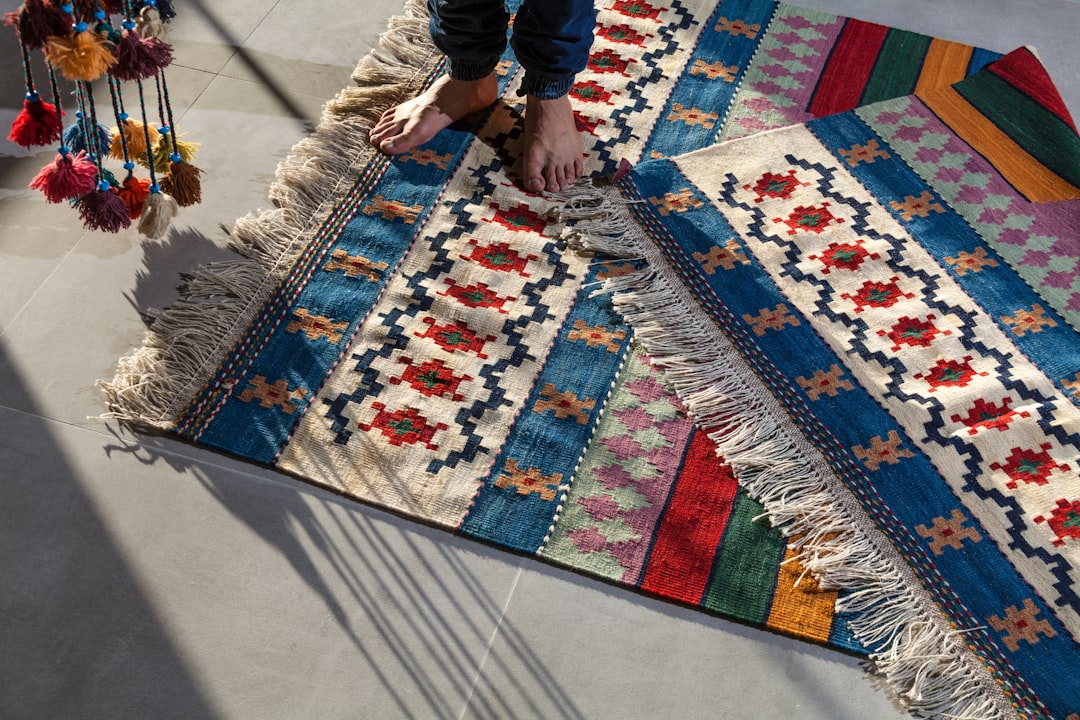
Before handing over cash for that rug you’ve been eyeing, roll it out in your space and walk barefoot across it at different angles. The 8x10 that looked perfect in the showroom might reveal awkward gaps when centred under your sectional, or worse — catch on the sliding balcony door. Test high-traffic areas by dragging a dining chair over the pile; if the rug buckles or fibres shed excessively under normal use, reconsider the material. Check corners for curling edges — a telltale sign of cheap backing that’ll trip toddlers and catch vacuum heads. Natural fibres like jute expand in humidity, so measure doorways with a 5cm margin; that 240cm-wide sisal won’t fit through your HDB lift if it swells after monsoon rains. Verify cleaning codes (W/S means water-safe; S is solvent-only) against your household’s spill risks — turmeric stains demand different treatment than soy sauce. Warranties often exclude sun bleaching and pet damage, so read the fine print if your living room gets afternoon glare or houses a scratch-happy tabby. For patterned rugs, examine repeats under natural light; a misaligned motif that escaped notice in fluorescent-lit warehouses will glare once unfurled in your Tampines living room. Megafurniture’s 7-day return policy covers colour mismatches, but you’ll need original packaging — don’t toss that plastic sleeve until you’re certain. Their
Joo Seng showroomhas tile flooring to test slip resistance; stomp around in socks to simulate your kids’ post-school chaos. Late discovery of a manufacturing flaw? That’s what the 1-year defect warranty is for — if you kept the receipt.