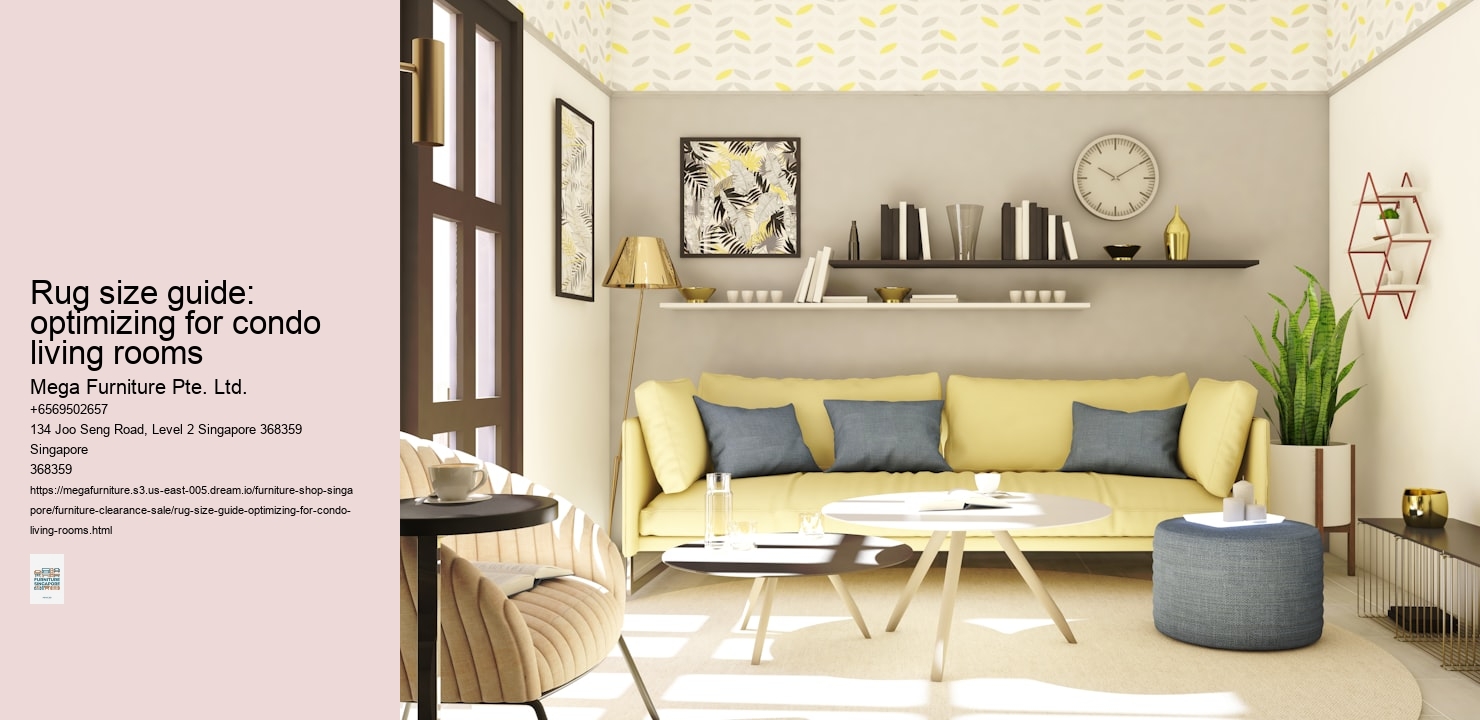
The 240×340cm rug sits awkwardly in many new BTO living rooms—not because it’s too large, but because developers assume you’ll float the sofa mid-room. In reality, most Singaporeans push their three-seater flush against the wall, leaving just 60–80cm of walkway. That’s when the classic “front legs on” rule collapses: with a standard 90cm-deep sofa, only 10–15cm of rug peeks out beyond the furniture. Better to cheat the rug 5–10cm under the sofa’s front edge—enough to visually anchor the space without wasting precious floor area.
HDB layouts demand different solutions than condo living rooms, even at similar square footage. A 4-room BTO’s rectangular living area (around 3.2×4m) works with a centred rug and L-shaped sofa, while a 99-year leasehold condo’s irregular pentagon shape might need two smaller rugs to define zones. Watch for aircon ledge protrusions or bay windows—these eat into usable space, turning what looks like a 20sqm floor plan into 16sqm of actual rug-worthy area.
Floating rugs only work if you’ve got 70cm clearance on all sides, which rules out most HDB flats. The exception: studio condos where the living area bleeds into the dining space. There, a 200×300cm rug placed diagonally can fake separation between zones. Just avoid high-pile options—they’ll snag on dining chair legs.
Dark rugs visually shrink rooms, but light neutrals show every speck of dust from the MRT construction down the road. The sweet spot? Mid-tone patterns with 10–20% black in the design—they hide stains while keeping the space airy. For households with kids or elderly, skip the trendy jute; polypropylene rugs from Megafurniture’s collection handle spills better and won’t shed fibres onto your robot vacuum’s brushes.
Corridor-like living rooms in shoebox condos need runner rugs (80×300cm) along the longest wall—but only if you’re willing to vacuum under them weekly. Otherwise, the trapped dust becomes a visible tide line at the edges.
In Singapore’s tropical climate, humidity doesn’t just linger — it settles into fabrics, warps materials, and invites mould. Polypropylene blends have become a go-to for their mould resistance, especially in homes where air conditioning isn’t running 24/7. These synthetic rugs repel moisture effortlessly, making them a practical choice for condo living rooms prone to dampness — though their texture can feel less luxurious compared to natural fibres.
Wool rugs, on the other hand, absorb moisture without harbouring mould, thanks to their natural breathability. They’re ideal for landed homes with better airflow, but in HDB flats, they’ll need regular airing to prevent mustiness. Jute rugs, while eco-friendly and stylish, struggle in humidity levels above 80%; they can warp, discolour, or even develop mildew if not meticulously cared for.
Material care is non-negotiable here. For polypropylene, a quick vacuum and occasional wipe-down suffice. Wool rugs benefit from bi-weekly airing and professional cleaning every six months to maintain their texture. Jute, though low-maintenance, demands immediate attention to spills and should never be left in direct sunlight — a tricky balance in Singapore’s weather.
The choice often comes down to lifestyle. Families with young kids might prioritise polypropylene for its durability and ease of cleaning, while design-conscious homeowners might lean toward wool for its timeless appeal. Jute, despite its limitations, remains a favourite for its organic aesthetic — just don’t expect it to last decades in a humid living room.
90×150cm accent rugs disappear under 3-seater sofas, leaving bare flooring exposed at both ends. In many HDB living rooms, this creates visual clutter rather than defining a seating zone. The rug should extend at least 15cm beyond sofa legs — impossible with undersized pieces. Homeowners often mistake these small rugs for space-saving solutions when they actually highlight the room's constraints. Better to use them as bedside mats or balcony decor instead.
240×340cm rugs overwhelm typical 15 sqm condo living rooms, leaving mere 30cm clearance to walls. This "wall-to-wall" effect makes spaces feel smaller while collecting dust along baseboards. Families with toddlers particularly regret this choice — crawling babies encounter rug edges every few steps. The ideal size leaves 45–60cm of bare flooring around the perimeter for visual breathing room.
Rugs overlapping HDB corridor paths by even 5cm create nightly toe-stubbing hazards. Many homeowners don't account for door swing clearance when placing large rugs near bedroom entrances. In narrow walkways common to 4-room BTO flats, anything beyond 160cm width obstructs daily movement. Test with newspaper cutouts before purchasing — if it wrinkles under foot traffic during trials, it's too big.
Floating coffee tables on vast rugs create awkward "stranded furniture" effects in compact spaces. Front legs of all seating should anchor on the rug — when only the center table touches it, the composition feels unstable. For L-shaped sofas common in Singapore, the rug must accommodate at least two seating sections. Partial anchoring leads to constant rug shifting that annoys neat-freak homeowners.
High-pile wool rugs in humid climates develop musty odors unless paired with dehumidifiers — yet many buyers prioritize softness over practicality. Low-profile polypropylene works better for most households, resisting moisture and allowing robot vacuums to pass freely. Dark-colored rugs in pet-friendly homes show every white cat hair, while light ones reveal kopi stains within weeks. The right material depends on your Dyson model as much as your decor style.
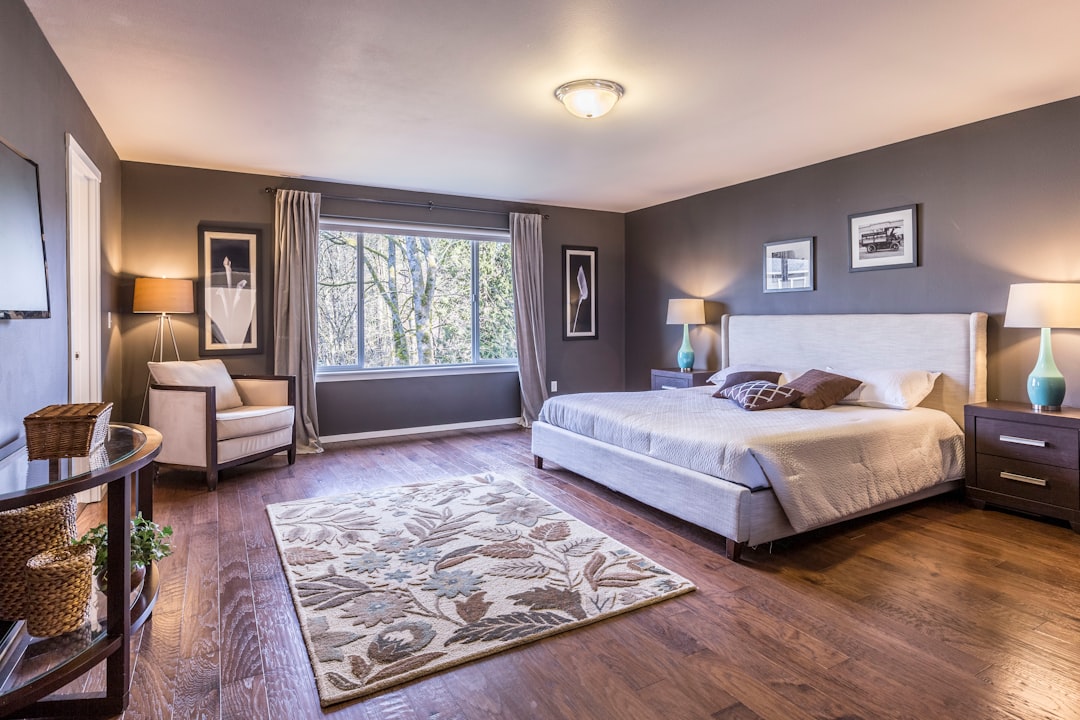
Kids’ juice spills and Lego disasters demand rugs that survive both. Low-pile polypropylene wins here — the fibres repel stains better than wool, and you can scrub most mishaps with a damp cloth before they set. Skip shag or high-pile options; those trap crumbs like a carpeted high chair.
Rug pads aren’t optional with toddlers. A 6mm-thick natural rubber pad keeps runners from buckling at the corners where little feet trip. For open floor plans, choose pads with grip dots rather than full adhesive backing — they’re easier to reposition when the play area inevitably migrates toward the sofa.
Washable cotton rugs work for homes that deep-clean weekly. Look for double-stitched edges on flatweaves; the cheaper serged ones fray after three machine cycles. Synthetic blends (typically 60% polyester, 40% nylon) handle heavy traffic better, though they lack cotton’s breathability — not ideal for homes where kids sprawl directly on the floor to draw.
Dark geometric patterns hide stains better than solid pastels, but test swatches first. Some navy blues photograph well yet read as gloomy in north-facing HDB corridors. For play zones, modular carpet tiles (30cm squares) let you replace just the stained section — though the seams collect crumbs.
Megafurniture’s collection includes machine-washable options with non-slip backings. The polypropylene ones dry faster in Singapore’s humidity compared to cotton blends left draped over balcony railings.
The Joo Seng showroom stocks minimalist solid-colour rugs in wool and polypropylene blends — ideal for condo living rooms where neutral palettes dominate. Their 160×230cm sizes work well under L-shaped sofas, while the 200×290cm options anchor open-concept layouts. Touch matters more than photos suggest; run fingers through pile density to check for shedding, and press a palm down to test cushioning. Tampines outlet carries bolder patterns — geometrics, tribal motifs, vintage florals — better suited for landed properties with higher ceilings. They’ve got samples you can take home to see how that teal medallion design looks under evening lighting. Most showroom pieces come with stain-resistant treatments, crucial for households with kids or pets. Warranties cover manufacturing defects (not spills or sun bleaching), typically 1–3 years depending on material. Delivery slots run 3–5 business days post-purchase, with white-glove service available for oversized rugs. Some designs can’t be rolled — check if your HDB lift fits a 240×340cm flat pack before committing. Megafurniture’s team recommends leaving 30–45cm of flooring exposed around rug edges in compact spaces. That’s often ignored in showrooms, where displays prioritise aesthetics over practicality. Their
rug collectionincludes non-slip pads sold separately — worth adding for homes with elderly residents or polished marble floors. Natural fibres like jute fade faster in east-facing rooms with strong morning sun. One customer returned a cream bouclé rug after six months; the warranty didn’t cover discolouration, but they offered a discount on a replacement.
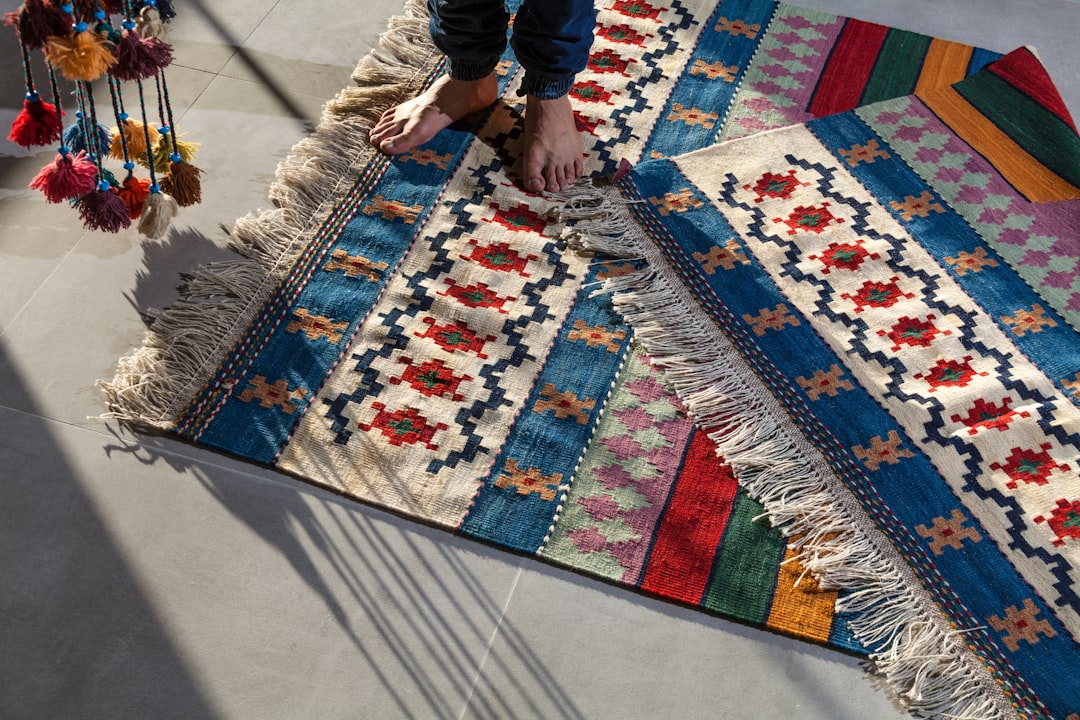
Can rugs damage marble flooring? Yes, but only if you skip a rug pad. Direct contact between rug backing and marble can trap moisture, leading to discolouration or etching over time — especially in humid climates like Singapore. Opt for a breathable, non-slip pad; rubber-backed rugs are a no-go here.
Best rug size for 20 sqm condo? For a typical 4-room BTO living room, a 200×300cm rug works well. It’ll anchor the seating area without overwhelming the space. Smaller rugs (150×230cm) can look lost; larger ones risk covering too much floor.
How to manage rug odors in humidity? Wool rugs are naturally mildew-resistant, but synthetic blends can trap smells. Weekly vacuuming helps, but for deeper cleans, sprinkle baking soda before vacuuming — or take it outdoors for a sunbath.
Pet-safe materials for active homes? Polypropylene rugs are durable, stain-resistant, and easy to clean, making them a solid choice for homes with pets. Avoid long-pile rugs; they’re a magnet for claws and fur.
" width="100%" height="480">Rug size guide: optimizing for condo living roomsFor smaller condo living rooms, opt for a 5'x8' rug to define seating areas without overwhelming the space. This size fits neatly under a coffee table while leaving enough floor visible to maintain an open feel. Choose low-pile rugs to enhance the illusion of space.
In spacious condo layouts, an 8'x10' rug accommodates full furniture groupings while maintaining proportionality. Avoid bold patterns that may shrink the visual space. Leave 12-18 inches of bare floor around edges for a polished look.
A 6'x9' rug works well in mid-sized condo living rooms, anchoring furniture like sofas and armchairs. Ensure front legs of seating rest on the rug for cohesion. Light colors or subtle patterns can make the room feel airier.
A 240×340cm rug looks grand in showrooms — until you realise it swallows half a 4-room BTO living room, leaving just 60cm clearance between rug edge and TV console. Measure twice: most Singaporean living rooms hover around 12–16 sqm, meaning oversized rugs force awkward furniture arrangements or trip hazards along walkways.
Delivery logistics matter more than buyers expect. Polypropylene rugs roll compactly for lift transport, but handwoven wool pieces often arrive stiff in 3m-long tubes that won’t fit standard HDB lifts — factor in $80–$120 for crane fees if you’re above the 8th floor. Jute sheds fibres for months; not ideal for families with toddlers who crawl everywhere, unless you’re prepared for weekly vacuuming.
Budget for professional cleaning every 18–24 months if opting for high-pile wool or viscose blends; neighbourhood laundromats charge $3–$5 per sqft, but many refuse rugs over 200×300cm. That $1,200 Moroccan rug might seem reasonable until you’re quoted $400 for deep cleaning.
Layout plans reveal constraints buyers miss: BTO living rooms often have irregular alcoves near bomb shelters where standard rectangular rugs leave awkward gaps. Some opt for two smaller rugs instead — a 160×230cm under the sofa zone, paired with a 90×150cm accent piece by the balcony doors.
Dark patterns hide stains better in homes with kids or pets, but they also make 12 sqm spaces feel smaller. There’s a reason most showroom displays use light neutrals — they reflect what little natural light condos get.