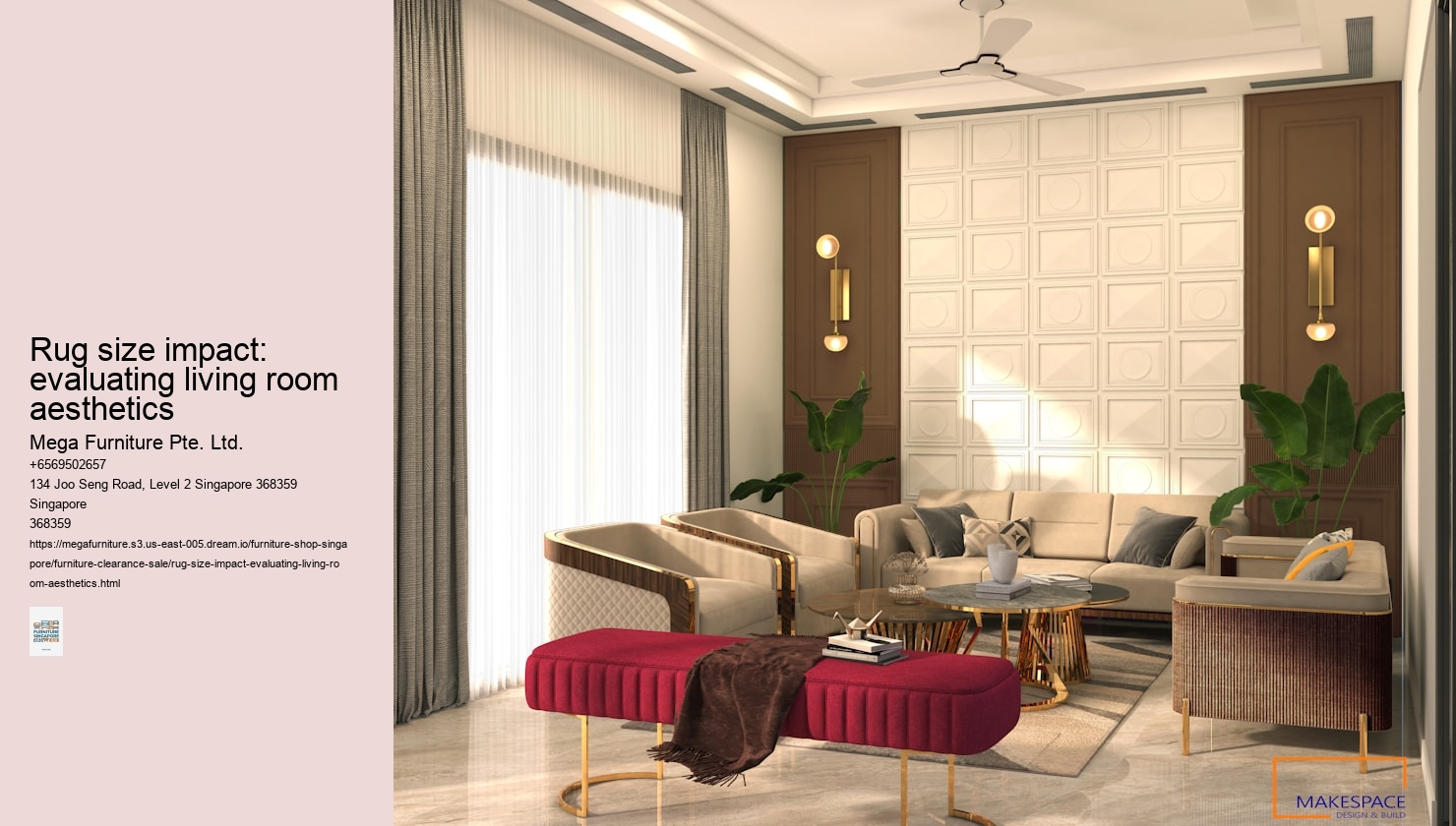
Walk into any 12 sqm HDB living room with a 240×340cm rug, and you’ll immediately feel the space shrink — furniture edges disappear under the fabric, and movement becomes a careful shuffle. Oversized rugs, while tempting for their coverage, often overwhelm compact layouts, leaving little room for foot traffic or functional zones. Instead, a 200×300cm rug typically strikes the right balance, framing the seating area without encroaching on walkways.
For smaller living rooms, around 10 sqm or less, a 150×230cm rug works better. It’s large enough to anchor the sofa and coffee table but leaves breathing room around the edges — crucial for maintaining an open feel. Avoid the common mistake of choosing a rug that’s too small; anything under 120×180cm risks looking like an afterthought, failing to define the space effectively.
Material choice matters just as much as size. In HDB flats, where humidity can be an issue, polypropylene rugs are a practical pick — they’re durable, easy to clean, and resist mould. Wool, while luxurious, tends to trap moisture in Singapore’s climate; jute, though natural and textured, can feel rough underfoot, especially for families with young children.
Patterns and colours should complement the room’s existing palette. Busy designs can make a small space feel cluttered, while solid tones or subtle geometrics add depth without overwhelming. A rug’s job isn’t just to soften the floor — it’s to visually organise the room, creating a focal point that ties everything together.
Larger rugs handle bold patterns without cluttering the room’s aesthetic. Smaller rugs benefit from subtle designs to avoid dominating the space. Contrasting hues can define zones in open layouts effectively.
A well-sized rug anchors furniture groupings, creating harmony in the living room. Oversized rugs can overwhelm small spaces, while undersized ones disrupt visual flow. Aim for front legs of seating to rest on the rug for cohesion.
Proper rug sizing guides foot traffic and delineates conversation areas. Leave 12-18 inches of bare floor around edges to frame the space naturally. Layering rugs of differing sizes adds depth without sacrificing functionality.
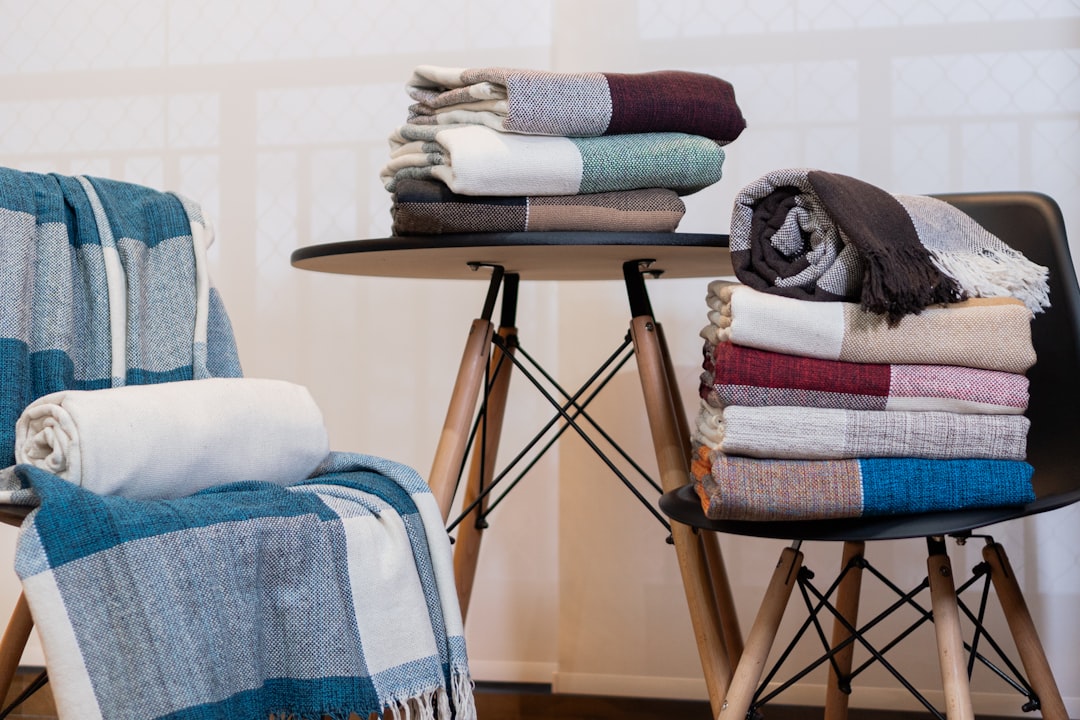
Singapore’s humidity doesn’t just frizz hair—it wreaks havoc on rugs. Wool, while plush and durable, tends to trap moisture, leaving a damp smell lingering in the air. Synthetic blends or polypropylene, on the other hand, resist humidity and dry quickly, making them a practical choice for landed homes or condos with marble floors.
Families with young children or pets will find easy-to-clean materials a lifesaver. Spills are inevitable—whether it’s kopi-o from breakfast or paw prints after a walk—and a rug that can withstand frequent washing without losing its shape is essential. Opt for tightly woven synthetics that don’t absorb liquids as readily as natural fibres.
For those who prefer a softer texture, cotton rugs can work, but they’ll need more maintenance. Air them out regularly and avoid placing them in areas prone to spills or dampness. Jute, though trendy, is a gamble—it’s prone to mould in Singapore’s climate unless you’re meticulous about keeping it dry.
Patterned rugs in synthetic blends often hide stains better than solid colours, a small mercy for busy households. And while high-pile rugs feel luxurious underfoot, they’re harder to clean and more likely to trap moisture. Low-pile options strike a balance between comfort and practicality.
Ultimately, the right material depends on your lifestyle. If you’re someone who’d rather spend weekends at East Coast Park than scrubbing stains, humidity-resistant synthetics are the way to go.
" width="100%" height="480">Rug size impact: evaluating living room aestheticsA common error is selecting a rug that’s too small for the space — it makes the room feel disjointed. In many HDB living rooms, a 240×340cm rug works best to anchor seating areas. Ensure the front legs of your sofa rest on the rug; this creates visual cohesion. For smaller spaces, like a 12 sqm condo living room, a 200×290cm rug maintains balance without overwhelming the area. Proportion matters more than price — even a budget polypropylene rug looks better when sized correctly.
Placement relative to the room’s focal point is crucial — misalignment disrupts the flow. Centre the rug with the TV console or coffee table, depending on the layout. In many landed homes, this means aligning the rug with the main seating group rather than the walls. Avoid pushing the rug too close to walls; leave at least 30cm of floor exposed on all sides. Proper alignment ensures the rug enhances, rather than competes with, the room’s architecture.
Not all rug materials suit every living room — wool works well for durability but may trap allergens. Families with young children often prefer polypropylene for its stain resistance and easy cleaning. Jute adds texture but can feel rough underfoot, making it less ideal for play areas. In humid Singapore, synthetic blends resist mould better than natural fibres. Choose materials that match both your lifestyle and the room’s aesthetic.
Large patterns on small rugs can overwhelm the space — opt for simpler designs in compact areas. For a 200×290cm rug, geometric patterns work better than intricate florals or tribal motifs. Solid colours create a clean look but may show stains more easily. In larger rooms, bold patterns can anchor the space without feeling busy. Always consider how the rug’s scale interacts with your furniture and decor.
Mismatched colours clash with existing decor — neutral tones like grey or beige offer flexibility. For a cohesive look, pull colours from your sofa cushions or curtains into the rug. Darker rugs hide stains but can make small spaces feel cramped. In sunny living rooms, lighter shades reflect natural light, enhancing the sense of space. Balance practicality with aesthetics — a rug should complement, not dominate, the room’s palette.
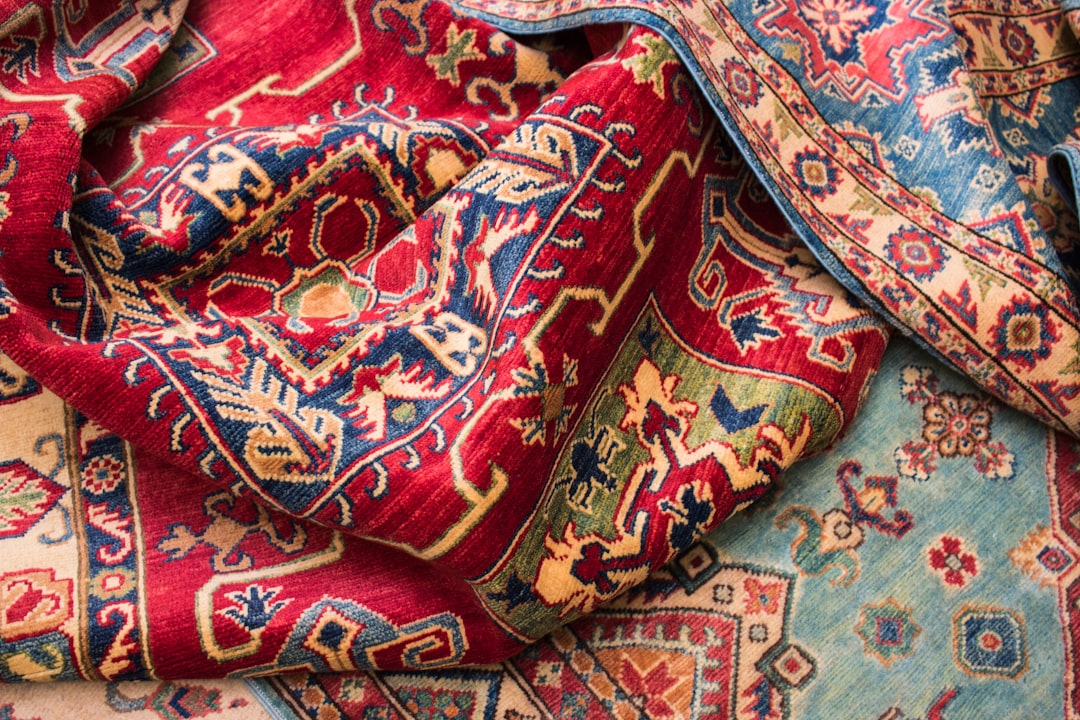
Walking into a living room with a rug that’s too small is like wearing shoes a size too tight — it just doesn’t work. The 240×340cm tribal design you loved online might overwhelm your 4-room BTO layout, while a 90×150cm accent piece could get lost in a landed property’s open-plan space. That’s where seeing rugs in person makes all the difference. At Megafurniture’s showrooms, you can test textures underfoot — the plushness of wool, the durability of polypropylene, or the natural feel of jute. It’s not just about comfort; it’s about how the rug interacts with your existing furniture and flooring. A high-pile rug might clash with a low-profile sofa, while a flatweave could complement your marble tiles without creating a tripping hazard. Visualising scale is key. In many homes, rugs act as anchors for seating zones, but getting the proportions right is tricky. A rug that’s 30cm too wide might crowd your walkways, while one that’s slightly narrow could leave your coffee table floating awkwardly. Seeing options laid out in a showroom lets you judge how they’ll fit your space without guesswork. Styles matter too. Minimalist solid colours might suit a modern condo, while patterned or vintage designs could add character to a landed property’s living room. Families with young children often lean towards darker tones or synthetic blends that hide stains — details you’ll only notice when you’re standing on the rug itself.
Browse the optionsand you’ll find rugs aren’t just floor coverings; they’re design decisions that tie a room together.
A 240×340cm rug won’t fit into most condo lifts — buyer’s remorse starts when the delivery team can’t get it past the lobby. Before committing, measure your lift’s interior dimensions and compare them to the rug’s folded size; many deliveries fail at this step, leaving buyers scrambling for alternatives like stairwell hauling or cutting the rug on-site. For landed homes, it’s less of an issue, but even then, oversized rugs can complicate access through narrow doorways or tight staircases.
Warranties often overlook the wear patterns of high-traffic areas — fraying edges or faded centres are common complaints, especially in homes with kids or pets. Check if the warranty explicitly covers these issues; polypropylene rugs, for example, typically resist fading better than natural fibres like jute or cotton, but they’re also more prone to static buildup. Wool rugs, while durable, can shed or discolour over time, particularly in sunny spaces like a west-facing living room.
Delivery timelines vary widely — custom orders can take six to eight weeks, while ready stock usually ships within two. Delays often occur during peak seasons like Chinese New Year or year-end sales, so plan accordingly if you’re eyeing a specific rug for a renovation deadline. Some retailers offer free delivery for orders above a certain amount, but double-check the fine print; bulky items like oversized rugs might still incur additional charges.
Materials matter when it comes to longevity — synthetic blends are easier to clean and maintain, but they lack the tactile richness of natural fibres. If you’re prioritising durability, consider a rug with a tightly woven pile and reinforced edges; these tend to hold up better in high-traffic zones like the space between your sofa and TV console.
Marble floors in many landed homes echo like a cavern — a persistent issue in SG’s humid climate. A thick wool rug, especially one with a dense pile, absorbs sound waves effectively; it’s both a practical fix and a stylish upgrade for spaces like the 4-room BTO living room.
What rug size fits a 4m² conversation zone? For compact spaces, a 160×230cm rug anchors a small sofa and two armchairs without overwhelming the room. Smaller sizes, like 90×150cm, work as accents but won’t define the seating area — a common mistake in HDB flats.
Can rugs reduce marble floor echo? Absolutely. Materials like wool or jute dampen sound better than synthetics, and a rug pad adds extra cushioning. In many homes, this combo transforms a noisy living room into a cozy retreat.
Families with young children often ask about soft floor surfaces. Polypropylene rugs are durable and easy to clean, making them a practical choice for high-traffic areas. Pairing them with a non-slip pad ensures safety without sacrificing style.
For visual zoning in open-plan layouts, a 240×340cm rug creates a clear boundary between seating and dining areas. It’s a trick often used in condo living rooms, where space optimisation is key.
Measure your living room twice — once when you’re fresh, once when you’re tired. It’s a trick interior designers swear by, and for good reason: fatigue skews perception, and a rug that looked perfect at 9am might feel too small by 6pm. For most 4-room HDB layouts, a 200x300cm rug anchors the space without overwhelming it, but don’t rely on guesswork. Tape out the dimensions on the floor with masking tape; live with it for a day.
Rug underlay is an unsung hero in many landed homes, especially those with marble or tile floors. It’s not just about comfort — though stepping onto a plush surface beats cold tiles any day. Underlay prevents slipping, reduces wear, and adds a subtle cushioning that makes even a thin rug feel luxe. For families with young kids or pets, it’s a practical choice that extends the rug’s lifespan.
Lifestyle needs should dictate material and style. Polypropylene rugs are a favourite for pet owners — they’re stain-resistant, easy to clean, and hold up against claws. Wool, while pricier, offers unmatched warmth and texture, ideal for condos with air-conditioned living rooms. Minimalist solid colours work in modern spaces, but don’t shy away from patterns if you’re aiming for visual interest. A tribal or vintage design can elevate a neutral room instantly.
Align your choice with how you’ll use the space. If the living room doubles as a play area, prioritise durability and ease of cleaning. For a formal sitting area, aesthetic warmth takes precedence. And remember, a rug isn’t just decor — it’s a functional piece that defines zones, softens acoustics, and ties the room together. Take your time; a rushed decision rarely holds up.