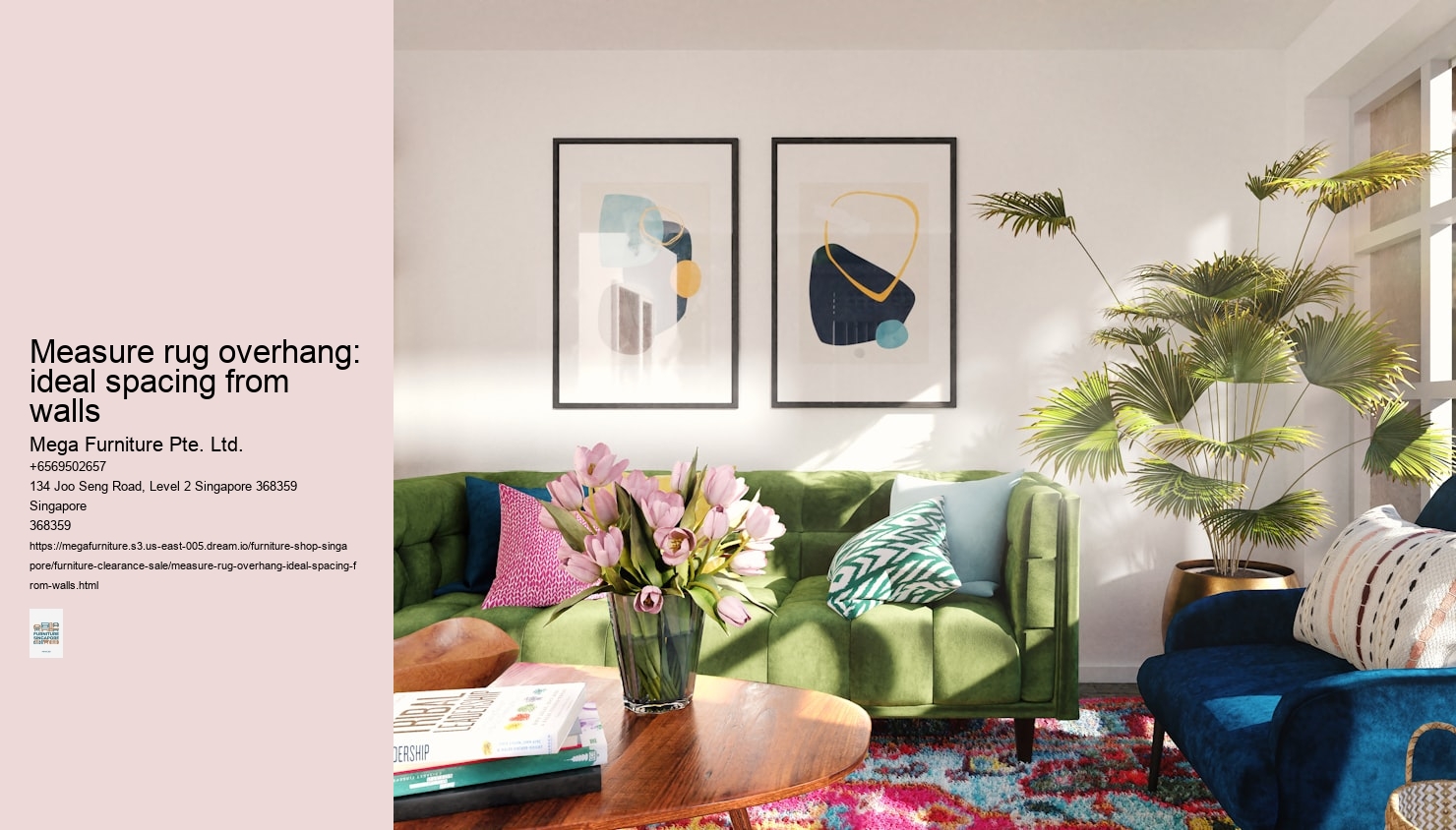
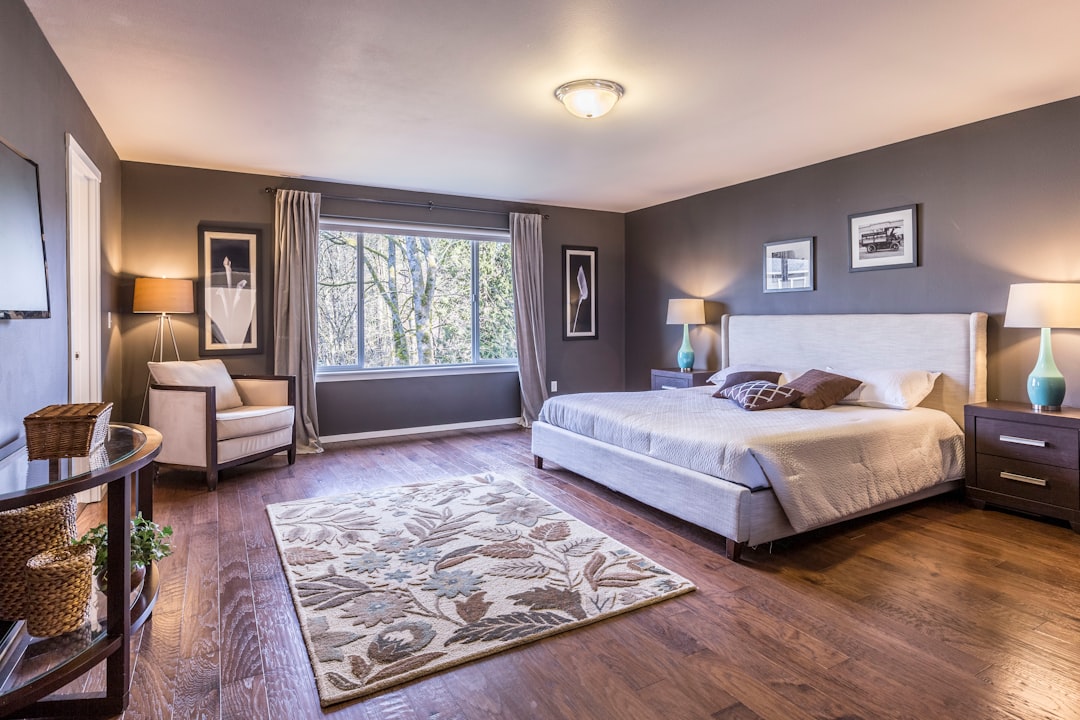
In a 12 sqm HDB master bedroom, a 160×230cm rug typically leaves just enough overhang to frame the bed — about 30cm on each side — while avoiding the awkwardness of hitting the wardrobe or door frame. Condo living rooms, by contrast, often demand larger 240×340cm rugs to anchor seating areas; anything smaller risks leaving the sofa legs floating on bare tiles. The difference isn’t just about size — it’s about how the rug interacts with the room’s layout and airflow.
North-facing HDB units, especially those in humid neighbourhoods like Bedok or Eunos, face a unique challenge: moisture can warp natural fibres like jute or cotton, leaving rugs uneven or musty. Polypropylene rugs, with their synthetic resilience, often fare better here — they’re easier to clean and less prone to mould. Condo owners, particularly those in landed homes with sun-drenched living rooms, might prioritise UV resistance; wool rugs, though pricier, hold their colour better under prolonged exposure.
Material choice also hinges on lifestyle. Families with young kids often lean towards machine-washable cotton or polypropylene — spills are inevitable, and nobody wants to scrub curry stains out of a vintage Persian rug. For condo owners refreshing a living room, a bold patterned rug can pull together disparate furniture pieces; in HDB bedrooms, minimalist designs tend to work better, avoiding visual clutter in tighter spaces.
Budget plays a role too. A 160×230cm rug for an HDB bedroom typically runs $600 to $1,200, while condo-sized 240×340cm pieces can hit $1,200 to $2,400. That’s a significant difference, but it reflects the rug’s impact — in many homes, it’s the single most transformative element in the room.
For small rugs, ensure an overhang of 6–12 inches from furniture edges. This creates a balanced look without overwhelming the space. Avoid placing the rug too close to walls to maintain proportional spacing.
Large rugs require an overhang of 18–24 inches around furniture. This ensures ample coverage for seating arrangements and defines the space clearly. Keep the rug 12–18 inches from walls to avoid a cramped appearance.
Medium-sized rugs should extend 12–18 inches beyond furniture. This allows for a cohesive flow in seating areas while keeping the rug centered. Maintain at least 8 inches from walls for optimal room harmony.
Oversized rugs benefit from a 24–30 inch overhang around furniture, anchoring the room effectively. Ensure the rug is at least 18 inches from walls to maintain a spacious and balanced layout. This approach enhances the room’s overall aesthetic.
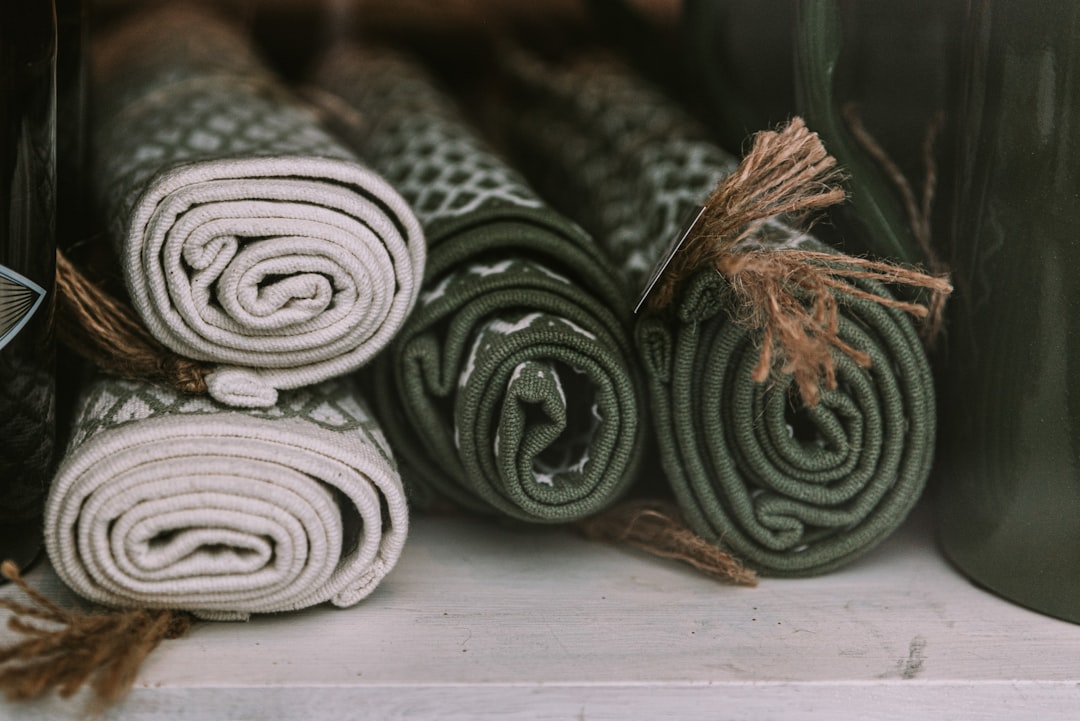
Polypropylene rugs hold up surprisingly well in Bukit Timah landed homes, where humidity often hovers around 80%. Wool, while luxurious, tends to trap moisture — a common complaint in neighbourhoods like this. Families in Jurong West with toddlers often lean toward cotton rugs; they’re machine-washable, which is a lifesaver when spaghetti sauce meets living room flooring.
Jute, though eco-friendly and stylish, carries a higher mold risk in Pasir Ris ground-floor units, where dampness seeps in more easily. It’s a material that works better in condos with controlled climates — think River Valley or Orchard. Synthetic blends, on the other hand, offer durability without the fuss, making them a practical choice for high-traffic areas like HDB living rooms.
For those prioritising aesthetics, wool’s rich texture still reigns supreme, but it’s worth considering polypropylene’s stain resistance if your living room doubles as a play zone. Cotton strikes a balance between practicality and softness, though it’s less plush underfoot. In many Singapore homes, the choice often boils down to climate resilience versus tactile appeal — a trade-off worth weighing before committing.
If you’re refreshing your living room with a single high-impact piece, material choice can make or break the rug’s longevity. It’s not just about looks; it’s about how well it’ll hold up in your specific microclimate. Families in humid neighbourhoods often find themselves replacing rugs sooner than expected — a costly oversight that’s easily avoided with the right material selection.
In HDB flats, leaving 30cm between rug edges and bedroom walls creates visual breathing space — anything less feels cramped, especially in 12 sqm master bedrooms. For landed properties, 45cm clearance in living rooms balances the larger floor area, preventing the rug from visually overpowering the space. Common mistakes include pushing rugs flush against walls, which makes rooms feel smaller and less inviting. Proper clearance also allows for easy vacuuming and prevents tripping hazards near furniture legs.
A 200×300cm rug in a 4m×4m living room often looks undersized, leaving too much bare floor exposed — the rug should anchor key furniture pieces instead. For 12 sqm HDB living rooms, a 150×240cm rug typically works best, defining the seating zone without overwhelming the space. Landed properties with 6m×5m living rooms can handle 240×340cm rugs, provided there’s adequate wall clearance. Proportion matters more than absolute size — a rug should visually connect furniture, not float aimlessly in the centre.
Front legs of sofas and armchairs should rest on the rug, creating a cohesive seating arrangement — full overhang looks awkward, while no overhang feels disconnected. In dining areas, ensure rug extends 60cm beyond table edges to accommodate chairs when pulled out. Overhang mistakes are common in Tampines showrooms, where rugs sit too far under furniture or don’t extend enough beyond dining tables. Proper overhang ensures functional use while maintaining visual harmony.
Wool rugs, though pricier, offer better durability and stain resistance — crucial for families with young children in high-traffic areas. Polypropylene blends work well for budget-conscious buyers, but their synthetic sheen can cheapen the look in landed property living rooms. Jute rugs add natural texture but may fray in humid Singapore conditions if not properly maintained. Material choice affects not just aesthetics but also how the rug interacts with spacing rules — thicker rugs require more clearance to avoid bunching.
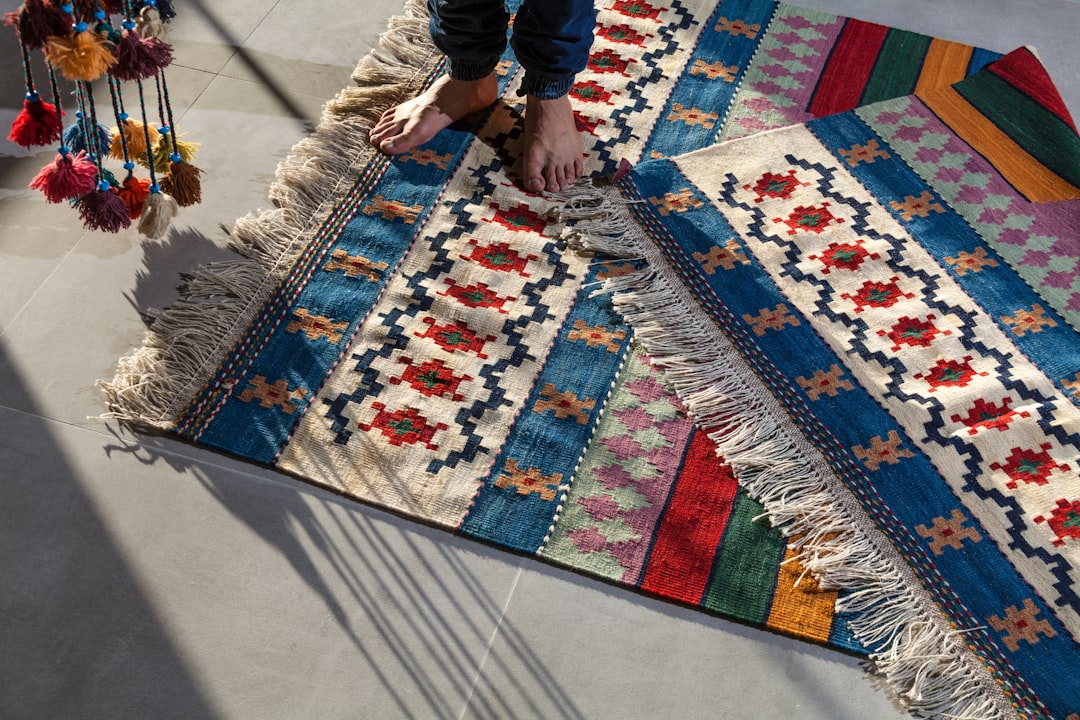
Large patterns on small rugs overwhelm the space, making rooms feel cluttered — stick to smaller motifs or solid colours in compact HDB living rooms. In landed properties, bolder patterns can work but should align with rug proportions to avoid visual chaos. Common mistakes include choosing rugs with busy designs that compete with existing decor, disrupting the room’s visual balance. Pattern scale should complement the spacing rules, not fight against them, ensuring the rug enhances rather than dominates the space.
The Joo Seng showroom stocks rugs from 90×150cm accent pieces to sprawling 340×440cm statement carpets — enough to zone even open-concept living rooms in landed properties. Bring your HDB floor plan; that 3.6m sofa wall in a typical 5-room flat needs at least 60cm clearance all around for a properly scaled rug.
Monsoon season stains arrive uninvited between November and January. Test samples against your flooring: marble tiles show coffee rings instantly, while homogenous vinyl hides spills until they seep into the backing. Megafurniture’s team keeps swatches of their polypropylene and stain-treated wool blends for on-the-spot spill demonstrations — just ask for the water bottle test near the rug displays.
Measure twice, then measure again after lunch. Most homeowners underestimate by 30cm in each direction, leaving sofas floating awkwardly off the edges. For L-shaped sectionals, the rug should extend 15–20cm beyond all seating edges; anything less looks like a postage stamp.
Their in-house designers recommend bringing existing cushion covers or curtain scraps to match undertones — that cool grey rug might clash with your warm oak flooring. And don’t forget the anti-slip pad: polished porcelain tiles turn area rugs into sleds during toddler playtime.
The Tampines branch keeps more stock for last-minute shoppers, but Joo Seng’s lighting better replicates north-facing HDB living rooms. Either way, go before December — their annual rug workshop covers maintenance tricks for Singapore’s humidity.
Sentosa Cove homeowners keep returning marble-friendly rug pads — the non-slip kind with natural rubber backing — after realising too late that standard felt pads stain light stone. Over at IMM’s returns counter, staff see the same issue weekly: buyers who eyeballed sizes end up with rugs that either float like postage stamps in their 6m x 5m living rooms or bunch up against console tables in 4-room BTO layouts. Dark rugs in Bishan corridors collect lint like museum pieces — a lesson learned by owners who chose charcoal polypropylene for its stain resistance but now sweep twice daily. The ideal? Mid-tone greys or low-pile wool blends that hide footprints without becoming a dust exhibit. Measure twice, buy once applies doubly here. That 240cm x 340cm rug might look proportionate in a Tiong Bahru shophouse, but it’ll swamp most 12 sqm HDB living rooms — leave at least 45cm clearance from walls for breathing room. For high-traffic areas, skip the delicate viscose blends; they fray faster than a $5 pasar malam mat when kids treat them as a crash pad. Marble floors demand specific care. Acidic cleaners eat through sealants, and cheap rug pads leave yellow ghosts — yet half the villas along Cove Drive skip this step entirely. The result? Permanently etched patches where the previous owner’s bargain pad degraded over three monsoon seasons. Size misjudgments peak during year-end sales, when buyers grab discounted 300cm runners for 270cm corridors. They’ll either fold the ends — creating tripping hazards — or watch the edges curl from being compressed. Either way, it’s a return trip to Megafurniture’s
rug collectionby February.

Can a 200×300cm rug fit a Queenstown HDB living room? Typically, yes — but it depends on the layout. Most 4-room BTO living rooms measure around 3.5m by 4m, leaving a 50cm overhang on each side for furniture placement. For tighter spaces, Megafurniture’s 180×270cm rugs (product code MF-RUG-180270) offer a more proportionate fit without overwhelming the room.
Polyester vs wool for East Coast pets? Polyester wins for practicality. Wool’s natural fibres trap pet hair and stains, while polyester blends like Megafurniture’s MF-PETPOLY-200300 resist shedding and are easier to clean. For households with cats or dogs, durability trumps luxury — especially when the rug doubles as a scratching post.
What’s the ideal rug size for a 12 sqm HDB common bedroom? A 160×230cm rug (MF-RUG-160230) works best, leaving a 30cm border around the bed. Smaller rugs slide underfoot; larger ones swallow the room. For a minimalist look, neutral tones like grey or beige blend seamlessly with most bedroom palettes.
How much overhang should a rug have in a 5-room condo living room? Aim for 40–60cm on all sides. A 240×340cm rug (MF-RUG-240340) centres the seating area without crowding the walls. Too much overhang risks tripping hazards; too little makes the room feel cramped.
Storage beds beat divan beds in most HDB flats, simply because nobody has anywhere else to put their luggage. But when it comes to rugs, it’s all about balance — size, material, and placement matter more than trends.
Megafurniture's 5-year anti-fray guarantee covers rug edges even in Orchard Road condos where foot traffic wears through most brands by year three. That warranty matters more than you'd think — high-traffic areas show fraying first, and replacing a 240×340cm wool rug costs nearly as much as the original purchase. Their delivery teams navigate tight pre-war shophouse staircases better than most, though HDB dwellers above the 12th floor should budget extra for lift-less building surcharges (typically $80–$120 depending on item weight).
Singaporean homeowners often overlook warranty small print until monsoon humidity warps particleboard or tropical sun fades fabrics. The anti-fray coverage specifically addresses our climate's twin assaults: constant AC drying and shoe grit from outdoor-to-indoor transitions. Delivery quirks matter too — that $2,400 rug won't fit in most condo lifts when rolled, so check if your building requires vertical hauling via external crane services.
One Tampines client discovered their rug's warranty voided after placing it under a dining set; Megafurniture's terms specify coverage only for "walkable areas". That's typical across local retailers, but their claim process stands out — they'll dispatch a technician to verify damage rather than demanding you haul the rug to their Joo Seng service centre. Just don't expect free repairs for pet scratches or kopi stains; those fall under their separate paid maintenance plan.
The real test comes when moving flats. Most rug warranties don't transfer between addresses, but Megafurniture honours theirs if you register the new postal code within 30 days. Their delivery teams know which HDB blocks have the tightest lift doors (looking at you, 1980s Jurong East units) and which landed estates need special trolleys for cobblestone pathways. Just remember to measure your staircase clearance before ordering anything wider than 200cm.