A wool rug’s pile height isn’t just about comfort — it’s a practical decision tied to Singapore’s humidity and room usage. In HDB corridors, where foot traffic is heavy and space tight, low-pile rugs (5–10mm) work best; they’re easier to clean and don’t trap dust or moisture. They’re also less likely to warp under constant wear, making them ideal for households with kids or pets.
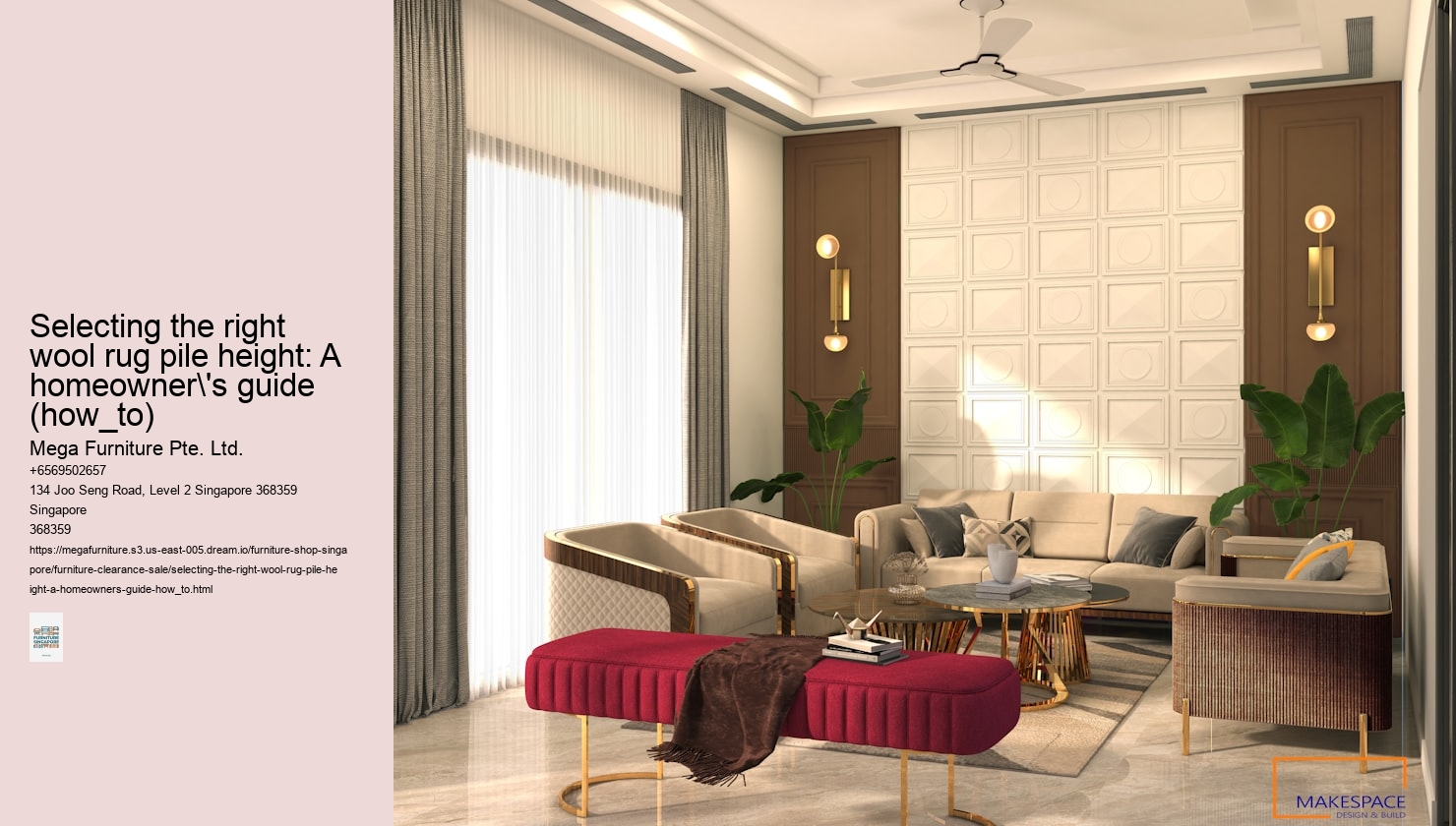
For condo living rooms, medium-pile rugs (10–20mm) strike a balance between softness and durability. They’re thick enough to cushion feet under a coffee table but still manageable in Singapore’s damp climate. Just make sure the rug isn’t directly exposed to aircon vents, as uneven drying can lead to warping over time.
High-pile rugs (20–30mm) add luxury to landed property master bedrooms, where they’re less likely to face heavy traffic. However, humidity can be a challenge — piles above 25mm tend to warp without a proper underlay. Opt for moisture-resistant materials or consider a dehumidifier if your bedroom faces persistent dampness.
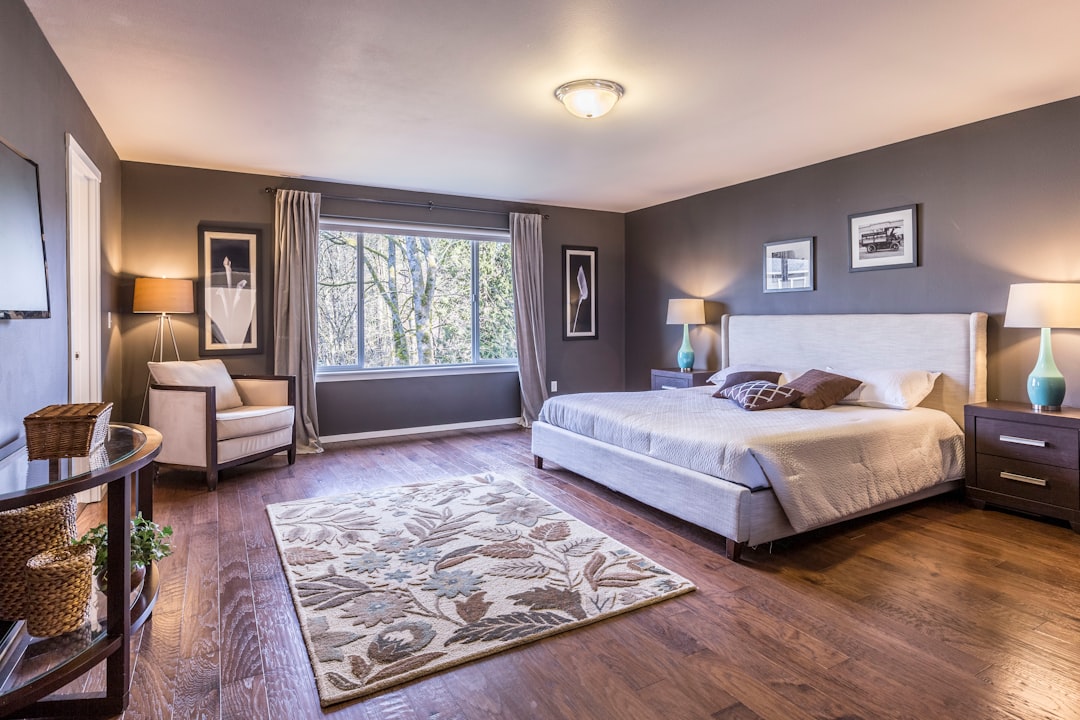
In many homes, the wrong pile height leads to frustration: low-pile rugs feel scratchy underfoot in bedrooms, while high-pile ones trap dirt in high-traffic areas. It’s not just about aesthetics — it’s about matching the rug to your lifestyle and the room’s function.
A 240×340cm rug might look luxurious in a showroom, but in a 36 sqm HDB BTO living room, it’ll dominate the space — leaving barely enough room for built-ins or walkways. Condo layouts, with their L-shaped sofas and open-plan designs, often fare better with 160×230cm rugs, which frame the seating area without overwhelming the floor. It’s not just about aesthetics; functionality matters too. A too-large rug can make cleaning a hassle — robot vacuums need at least 45cm clearance around the edges to navigate effectively.
In HDB flats, built-ins like storage benches or display shelves often dictate rug placement. Measure carefully; a rug that’s too close to these fixtures can make the room feel cluttered, while one that’s too far leaves awkward gaps. Condo living rooms, with their modular furniture, offer more flexibility — but even here, oversized rugs can swallow up valuable floor space. A well-sized rug should define the seating zone, not compete with it.
Material choice plays a role here too. Wool rugs, while durable and soft, can feel bulky in smaller spaces — especially if the pile height is high. Opt for a thinner weave or a smaller size to balance comfort and proportion. In condos, where floor space is less constrained, thicker rugs can add warmth without overwhelming the room. It’s a delicate balance: too much rug, and the room feels cramped; too little, and it loses its cosy appeal.
Ultimately, the right rug size depends on more than just room dimensions — it’s about how you use the space. In HDB flats, where every square metre counts, a smaller rug can make the room feel more open. Condos, with their larger layouts, can handle bigger pieces, but even here, restraint pays off. The goal isn’t to fill the floor but to enhance it.
Low-pile wool rugs offer a sleek, modern look while being easy to clean and maintain. Their tight weave makes them ideal for high-traffic areas like hallways or entryways. These rugs resist crushing and show less wear over time compared to thicker options. They’re also lightweight, making them simple to reposition or store.
Medium-pile wool rugs strike a balance between comfort and practicality, suitable for living rooms or bedrooms. The slight cushioning provides warmth underfoot without trapping excessive dirt. They hide minor floor imperfections better than low-pile options while remaining manageable for vacuuming. This height is versatile enough for both formal and casual spaces.
High-pile wool rugs deliver luxurious softness, perfect for creating cozy seating areas or barefoot comfort zones. The deep fibers provide excellent insulation and sound absorption in quiet spaces like nurseries. However, they require more frequent vacuuming to prevent dirt from settling deep within the pile. These rugs work best in low-traffic areas where comfort outweighs maintenance concerns.
Match pile height to room activity—low for corridors, medium for social spaces, and high for relaxation zones. Consider furniture weight as heavy pieces may leave permanent indentations in deep piles. Wool’s natural resilience makes medium pile a safe default for mixed-use areas. Always account for door clearance to ensure proper rug placement without obstruction.
High humidity wreaks havoc on wool rugs — fibres absorb moisture, flattening the pile over time. In Singapore’s 80% RH climate, a density of at least 1.5kg per square metre is essential to maintain loft. Lower-density rugs, especially those under 1kg/sq m, quickly lose their plushness in East Coast monsoon seasons. Wool’s natural hygroscopic properties mean it’ll absorb up to 30% of its weight in moisture, which can lead to permanent flattening if the rug isn’t dense enough. For condo owners with marble floors, a high-density wool rug isn’t just a luxury; it’s a necessity for maintaining texture and comfort.
The twist of the yarn determines how well a wool rug holds its shape under humidity. Four-ply yarns, with their tighter twist, resist flattening far better than two-ply options. This is particularly crucial in HDB flats, where airflow is often limited and humidity lingers. Tightly twisted yarns also recover better after compression — a lifesaver for families with kids who constantly trample the rug. While two-ply rugs might look plush initially, they’re prone to matting within months in Singapore’s climate.
Kashmir wool, known for its fine fibres and resilience, outperforms standard wool in humid conditions. Its longer fibres create a denser pile that resists flattening, even in high humidity. This makes it a popular choice for landed properties with expansive living rooms, where rugs need to withstand both moisture and heavy foot traffic. The natural crimp of Kashmir wool also helps it bounce back after compression, maintaining its texture over time. While pricier than standard wool, it’s a worthwhile investment for homeowners seeking durability.
Pile height plays a critical role in how a wool rug responds to humidity. Shorter piles, around 1cm, are less prone to flattening but sacrifice some softness. Taller piles, above 2cm, offer luxurious comfort but require higher density to resist matting. In many HDB flats, a mid-range pile height of 1.5cm strikes the right balance — soft enough for kids to play on, yet resilient enough to withstand Singapore’s humidity. For condo owners, this height also complements modern minimalist decor without overwhelming the space.
Regular maintenance can mitigate humidity’s impact on wool rugs. Vacuuming twice a week prevents dirt from settling into the fibres, which can accelerate flattening. Rotating the rug every three months ensures even wear, especially in high-traffic areas. In monsoon seasons, using a dehumidifier in the living room helps maintain the rug’s loft. For stubborn flattened spots, a damp cloth and steam can revive the fibres — just avoid soaking the rug. Proper care extends the life of a wool rug, keeping it plush and comfortable for years.
" width="100%" height="480">Selecting the right wool rug pile height: A homeowner's guide (how_to)
Toddlers in HDB flats rarely walk in straight lines — they zigzag, stumble, and occasionally faceplant. A rug with an 8–12mm pile height strikes the balance between softness and stability, reducing trips while still cushioning falls. Anything taller becomes a hazard; anything shorter feels like tile underfoot. Tightly woven wool, around 900g/sq m, handles juice spills better than most materials — it resists staining and dries quicker than cotton or jute.
Avoid looped piles at all costs. Kids love pulling them, and once they start, it’s a race to see how much damage they can do before you notice. Cut piles are safer, but test them first — sticky rice at Megafurniture’s Joo Seng showroom is a quick way to gauge durability.
Colour matters too. Light neutrals might look chic, but they’ll show every spill and crumb. Mid-tone greys or warm beiges hide stains better without turning the room into a cave. Patterns can help disguise wear, but keep them subtle — bold designs tend to date faster in Singapore’s minimalist interiors.
A rug’s edges are another weak point. Kids tug at them, pets scratch them, and vacuum cleaners catch them. Opt for bound edges or a rug pad to keep things tidy. It’s not glamorous, but neither is tripping over a curled corner every morning.
Finally, think about placement. Centre the rug under the coffee table, leaving enough space for kids to play around it. Too close to the sofa, and it becomes a tripping hazard; too far, and it feels disconnected from the seating zone.
Bring floor plans when visiting showrooms — it’s a detail many overlook, but it saves time. For marble floors, aim for an 8mm pile height; engineered wood pairs best with 15mm. Staff can match these specs precisely, ensuring your rug integrates seamlessly with your flooring. It’s a small step that avoids the frustration of a rug that looks awkward or feels uneven underfoot.
Humidity-controlled storage is another key consideration, especially for landed homes near reservoirs like Bedok or Jurong. Singapore’s tropical climate means moisture can warp furniture and damage rugs over time. Ask about storage options that protect against humidity — it’s not just a luxury but a necessity for maintaining quality in the long term.
Families with young children often prioritise soft surfaces, but pile height isn’t the only factor. A thicker rug might feel cozy, but it can trap dust and allergens more easily. Opt for materials like wool, which naturally resists mould and mildew — crucial in high-humidity environments. It’s a practical choice that balances comfort with maintenance.
Showroom visits are also a chance to test how rugs interact with your space. Bring measurements for your living room or seating area, and don’t shy away from asking staff to unroll a few options. Seeing the rug in full scale helps visualise how it’ll define zones or anchor furniture. It’s a step that ensures you’re not just guessing — you’re making an informed decision.
Finally, consider how the rug’s texture complements your flooring. A low-pile rug might feel sleek against marble, while a thicker pile adds warmth to engineered wood. It’s these subtle details that elevate a room from functional to cohesive.
That first month with a new wool rug tells you everything. Fluff collects in corners like monsoon-season dust, especially in landed homes near Tampines or Bedok MRT construction zones — normal shedding lasts 8–12 weeks, not unlike how bouclé sofas drop fibres for months.
Monthly vacuuming’s non-negotiable, but skip the beater bar. Suction-only heads prevent pile damage; anything over 15mm thickness needs professional cleaning twice yearly to lift embedded grime from kids’ snacks or kopi spills. Condo dwellers with marble floors report fewer static issues than those with engineered wood, though both show dirt faster than patterned polypropylene.
Keep the receipt. Many homeowners forget wool’s natural oils attract moths until holes appear near skirting boards — Megafurniture’s 5-year mothproofing warranty covers reweaving, but only if you’ve got proof of purchase. Their Joo Seng showroom staff recommend rotating rugs quarterly to even out wear, though in practice, most only remember when rearranging furniture for Chinese New Year.
Wool’s biggest advantage — hiding crumbs between vacuum sessions — becomes its downfall when construction dust settles. A 240×340cm rug in an open-plan living room near Eunos will need twice-daily sweeping during nearby demolition, while accent rugs can simply be shaken out over the balcony.
That initial shedding phase separates committed buyers from impulse shoppers. The ones who stick it out end up with a rug that outlasts most sofas, developing a patina that hides wine stains better than any synthetic blend. Just don’t expect it to stay pristine through primary school art projects.
Will 20mm pile ruin my vinyl flooring? Yes, it will — unless you use a rug underlay. Direct contact with high-pile rugs can dent softer vinyl over time, especially in high-traffic areas like living rooms or corridors. A quality underlay not only protects your flooring but also adds grip, preventing slips.
How to clean durian stains? Dry ice works best. Freeze the affected area, then scrape off the residue with a blunt knife. Avoid water or soap — they’ll only spread the odour. For wool rugs, professional cleaning is safer, as DIY methods can damage the fibres.
Best rug for west-facing balcony? Go for an 8mm flatweave. It’s durable enough to handle Singapore’s afternoon sun without fading, and the low pile resists mould in humid conditions. Synthetic materials like polypropylene are ideal — they’re UV-resistant and easy to hose down.
Can I cut a 240×340 rug to fit? Never. Cutting a rug will cause the edges to unravel, leaving frayed threads and an uneven finish. Instead, measure your space carefully before buying — a rug that’s slightly smaller than the room still works, as long as it frames your furniture correctly.
Wool rug allergies: Identifying and managing potential triggers (pitfalls)
The tape trick saves arguments: mark sofa legs with washi tape before unrolling the rug, confirming all four sit fully on or off the textile. Nothing looks worse than a single front leg grazing the edge — it’s the interior design equivalent of a crooked picture frame.
Landed homeowners should add 30cm to measurements for thermal expansion gaps, especially near full-height windows or under aircon vents. That 240×340cm wool rug will shrink 2–3% in humidity swings; by December, you’ll see the original floor peeking through the sides like bad nail polish. Condo buyers face a different headache — measure lift dimensions diagonally before booking delivery, since tightly rolled 3m rugs won’t bend around corners.
Wool rugs under dining tables need special consideration: chairs dragged back daily demand at least 60cm clearance on all sides. Families with toddlers often skip this math, then spend years straightening buckled edges where little feet catch the lip.
For sectional sofas, treat each cluster as its own zone. A common misstep is sizing for the main seating block while the chaise floats awkwardly half-on, like a guest who didn’t get the dress code memo.
Delivery teams won’t wait while you re-measure. Have masking tape crosses on the floor marking rug corners before they arrive — it’s the difference between a 15-minute unboxing and an afternoon of heavy lifting regret.