Singapore’s humidity doesn’t just frizz hair—it warps untreated rugs within months. A jute rug in a landed home near Pasir Ris will start smelling musty by the third monsoon season, while polypropylene in a Tiong Bahru condo holds up against weekly mopping and accidental teh tarik spills. Material choice here isn’t about aesthetics first; it’s about survival.
Condos with 12 sqm bedrooms need rugs that won’t trap moisture against marble or engineered wood—treated wool resists mold without sacrificing texture, though it’ll cost $800–$1,500 for a decent 160×230cm piece. Families in landed homes often overlook that stain-proof synthetics (easy to blot with baking soda) matter more than Instagram-friendly natural fibres when there’s a toddler or spaniel in the mix.
The worst offenders are flatweave cotton rugs marketed as ‘breathable’—they’re just absorbent enough to wick dampness from tiles but never fully dry in enclosed spaces. For high-traffic areas like HDB living rooms, a 90% polypropylene blend with rubber backing avoids both mould and slippage, though it lacks the plushness of wool.
Landing on the right rug involves trade-offs: a $2,400 hand-tufted wool piece feels luxurious underfoot but demands quarterly professional cleaning, while a $300 synthetic can handle neighbourhood kids tracking in playground sand. Either way, skipping the anti-microbial treatment is like leaving your windows open during a thunderstorm—technically possible, but you’ll regret it by dawn.
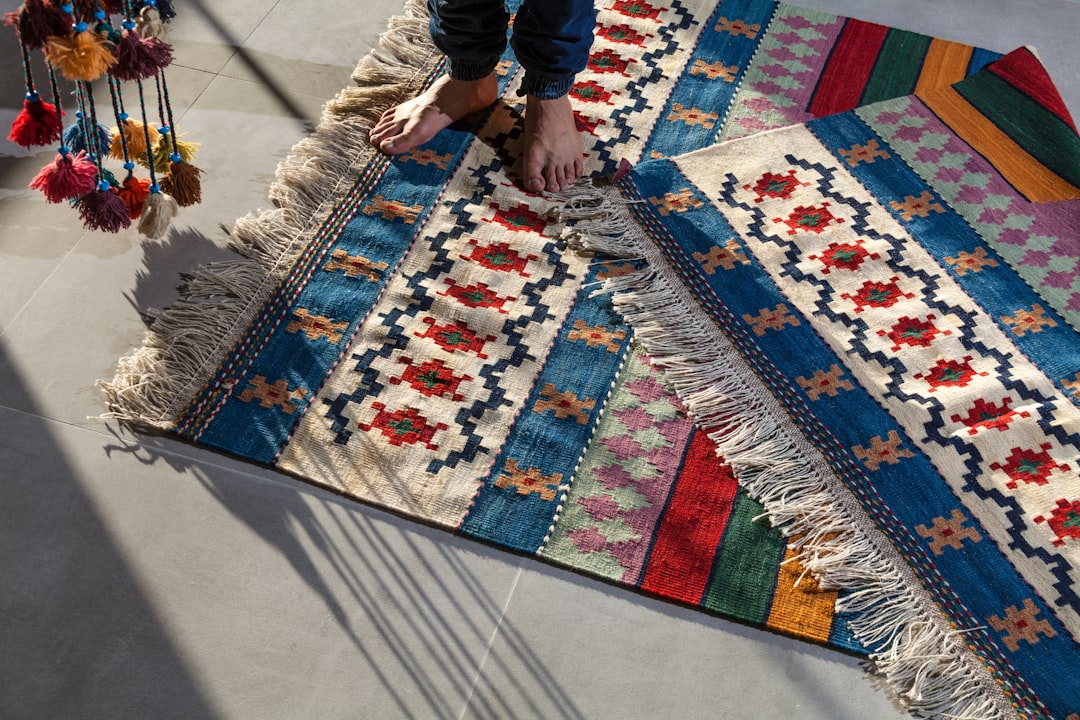
In a typical 4-room BTO living room, the rug’s size can make or break the space. Too small, and it looks like an afterthought; too large, and it overwhelms the room. Accent rugs, around 90×150cm, work best under coffee tables — they anchor the seating area without swallowing the floor. For landed properties with larger living rooms, a 240×340cm rug creates a cohesive zone, pulling together sofas, armchairs, and side tables into a single visual unit.
HDB layouts often struggle with rug sizing — go too big, and you’re left with awkward gaps between the rug and walls. A 180×270cm rug hits the sweet spot for most BTO living rooms, defining the seating area without encroaching on walkways. It’s also practical; families with young kids appreciate the soft surface for playtime, while still leaving enough exposed floor for easy cleaning.
Material matters just as much as size. Wool rugs, while durable, can feel heavy in Singapore’s humidity; polypropylene blends offer a lighter, stain-resistant alternative. Jute and cotton rugs bring texture but may wear faster in high-traffic areas. Solid-colour rugs, especially in neutral tones like beige or grey, help maintain a minimalist aesthetic — they’re versatile enough to blend with existing furniture while adding subtle warmth to the room.
Placement is key. In compact spaces, leave a 15–20cm border between the rug and walls to avoid a claustrophobic feel. For landed homes, ensure the rug extends at least 30cm beyond the front legs of sofas and armchairs — it’s a small detail that makes the room feel more intentional. And don’t forget to rotate the rug every six months; it’ll wear more evenly, especially in homes with pets or kids.
Singaporeans routinely buy rugs too large for their spaces—a 240×340cm rug swallows a 40 sqm condo living room whole. Measure your seating area first: standard 3-seater sofas need 160×230cm rugs, while armchairs pair with 120×180cm. Leave 30-45cm bare floor around edges; wall-to-wall carpeting traps humidity. Oversized rugs in HDB corridors become tripping hazards during lunar new year visits. Always check door swing clearance—that gorgeous 200×300cm Moroccan piece won’t work if it blocks your balcony sliding doors.
Bare hardwood floors demand rug pads—especially in Singapore’s humidity where rugs slide like they’re on butter. Quality felt or rubber underlay prevents edge curling at 85% RH while protecting teak parquet from scratches. Thin 3mm pads suffice for low-pile rugs; go 5mm for shaggy styles. Skip those flimsy non-slip mesh discs—they bunch up after three vacuum sessions. Proper underlay extends rug life by preventing friction wear at high-traffic zones like hallway entrances.
Untreated cotton rugs develop mildew spots within months in our climate—opt for solution-dyed acrylic or polypropylene instead. Jute sheds fibers onto black marble floors; silk blends stain permanently from kopi spills. Wool works but requires quarterly anti-moth treatment in landed properties near MacRitchie’s dampness. For balcony use, only synthetic fibers withstand afternoon sun at Punggol’s waterfront units. Always check pile height—deep 4cm shag traps sand from East Coast Park visits.
Centering rugs under coffee tables creates awkward gaps—front legs of sofas should always anchor the edges. Dining sets need 60cm clearance all around for pulled-out chairs—most 180cm round rugs fail this test. Avoid placing viscose rugs in Pasir Ris homes where east-facing windows accelerate sun damage. Never layer rugs over damp areas like bathroom entrances—that’s how you get musty smells by week two. Strategic placement means testing foot traffic flow during weekend grocery haul hours.
Weekly vacuuming isn’t enough—rotate rugs quarterly to prevent sun-fading on one side in Toa Payoh’s corner units. Blot spills immediately with cornstarch for oil or cold water for wine—rubbing sets stains permanently. Professional cleaning every 18 months removes embedded dust mites from high-pile rugs. Store rolled—never folded—during renovations to avoid permanent creases. Those “dry clean only” tags? They’re serious—handwashing destroys the latex backing on 90% of machine-washable rugs.
Schedule professional cleaning every 6 months to remove ingrained humidity-related odors. For DIY care, use a steam cleaner with low heat to sanitize without damaging fibers. Always ensure rugs dry completely before reuse.
In Singapore's humidity, dust and moisture can embed deeply into rug fibers. Vacuum at least twice weekly using a suction-only mode to prevent particle buildup. Focus on high-traffic areas to maintain even wear and longevity.
Rotate rugs periodically to allow even exposure to indirect sunlight. This prevents mold growth while fading fibers uniformly. Limit direct sun to 1–2 hours to avoid color bleaching.
Blot spills instantly with a microfiber cloth to prevent stains from setting. Avoid rubbing, as it pushes moisture deeper into the rug. For sticky residues, use a damp cloth with mild soap, then air-dry thoroughly.
Singapore’s humidity doesn’t just test your patience — it tests your rugs. Polypropylene, a material that resists moisture and mould, is a practical choice for living rooms and master bedrooms alike. At Megafurniture’s Joo Seng showroom, minimalist solid-colour rugs dominate the selection, offering a clean aesthetic that complements modern HDB layouts. Staff there are adept at guiding buyers on sizing, ensuring a rug fits a 12 sqm master bedroom without overwhelming the space.
A well-chosen rug does more than define seating zones — it softens the acoustics of tiled floors and adds warmth to hard surfaces. For families with young children, polypropylene’s durability and ease of cleaning make it a sensible option. The showroom’s range includes pieces in muted tones like charcoal, beige, and slate, which blend seamlessly with neutral palettes common in Singapore homes.
Visitors often overlook the importance of rug placement, but a quick chat with staff can clarify how to centre a piece under a sofa or bed. The Joo Seng showroom’s layout mimics real room sizes, making it easier to visualise how a 240×340cm rug might anchor a 4-room BTO living room. For those unsure about committing to a larger piece, smaller accent rugs are available, ideal for testing the waters before investing in a statement piece.
Polypropylene rugs aren’t just practical — they’re affordable, typically ranging from $200 to $600 depending on size and design. While they may lack the plushness of wool, their resilience in humid conditions makes them a smart choice for Singapore’s climate. Megafurniture’s collection leans heavily on solid colours, avoiding the busy patterns that can clash with existing decor.
The showroom’s hands-on approach helps buyers avoid common pitfalls, like choosing a rug that’s too small for the space or opting for a material that won’t withstand daily wear. For those refreshing a living room with a single high-impact piece, the minimalist options provide a versatile foundation. Browse the options at Megafurniture’s Joo Seng showroom — it’s a practical first step in transforming a hard-floored space into a cosy, visually cohesive room.
Free delivery for rugs over $500 isn’t just a perk—it’s a practical necessity in Singapore’s compact housing layouts. Navigating narrow lift lobbies in older HDB blocks or tight stairwells in landed homes can turn rug delivery into a logistical headache. Megafurniture’s service includes an anti-slip underlay, a small but crucial detail for humid climates where rugs can shift on polished marble or tile floors.
Warranties that cover fraying edges are particularly relevant here. High humidity and daily foot traffic—think kids racing across the living room or pets dragging their paws—can quickly wear down edges. A frayed rug isn’t just unsightly; it’s a tripping hazard, especially in homes with toddlers or elderly family members.
Assembly isn’t typically an issue with rugs, but proper unrolling and acclimatisation matter. Letting the rug settle for 24 hours in your living room helps it flatten naturally, avoiding stubborn creases. For larger pieces, like a 240×340cm room-defining rug, this step ensures it lays perfectly from the first day.
Warranty terms vary, but most cover manufacturing defects for at least a year. In Singapore’s climate, that’s long enough to spot issues like uneven dyeing or premature wear. Keep the receipt—some retailers require proof of purchase for claims.
Anti-slip underlays aren’t just functional; they’re a safety feature. Without one, even a high-quality wool rug can slide underfoot, especially on smooth surfaces like polished wood or marble. It’s a small addition that makes a big difference in homes with active families.
" width="100%" height="480">Extending rug lifespan: Cleaning tips for Singapore's humid climate (how_to)
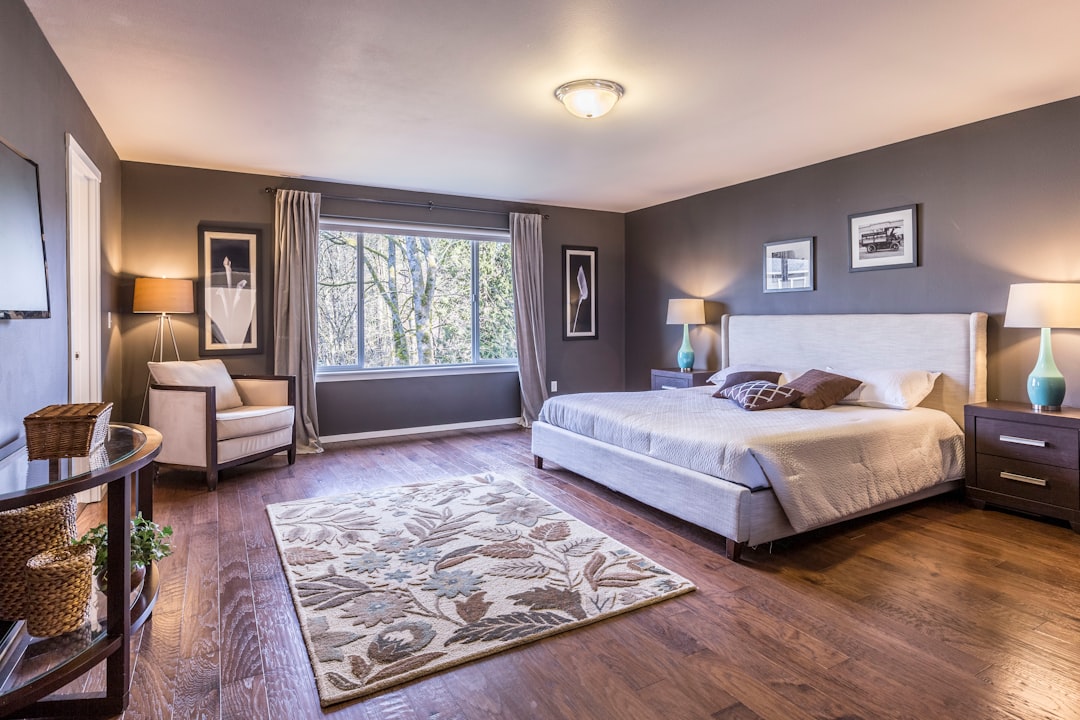
Can polypropylene rugs handle pets? Absolutely. Polypropylene’s stain-resistant properties make it a practical choice for homes with dogs or cats — spills wipe off easily, and fur doesn’t cling too stubbornly. It’s a favourite in many HDB flats where practicality often trumps luxury.
Is wool suitable for landed homes? Only if it’s treated for humidity. Untreated wool tends to absorb moisture, which can lead to mould in Singapore’s damp climate. For landed homes with open-air spaces, treated wool rugs offer warmth and durability without the risk of mildew.
What size works for an 18 sqm living room? A 200×300cm rug strikes the right balance — it defines the seating area without overwhelming the space. In a typical HDB living room, this size leaves enough border around the edges to maintain a sense of openness while anchoring the furniture.
Polypropylene rugs are low-maintenance, but wool’s natural fibres add a touch of luxury. The choice often comes down to lifestyle — families with young kids or pets might lean towards polypropylene, while those prioritising texture and warmth might opt for treated wool.
One thing to note: rug size can make or break a room. Too small, and it looks like an afterthought; too large, and it swallows the space. In a 4-room BTO living room, a 240×340cm rug might feel excessive, while a 90×150cm accent piece risks looking lost.
A 4-room BTO living room rug often ends up 20cm too narrow because someone eyeballed the space between their TV console and sofa. Measure twice—once along each wall, noting where door swings eat into floor space—then subtract 60cm from all sides for proper border clearance. Humidity warps natural fibres fastest where rugs tuck under furniture; polypropylene blends hold up better against Singapore’s 80% average humidity, though they lack wool’s plushness underfoot. Bring your floor plan. Sales staff at Megafurniture’s Tampines outlet cross-reference room dimensions with rug inventory—their system flags which 200×300cm options won’t clash with your L-shaped sofa or balcony door. They’ll ask how you use the space: low-pile rugs for dining areas (easier to vacuum crumbs), high-pile for movie nights (kinder on bare feet). Dark rugs show fewer stains but amplify heat in west-facing flats. One navy wool rug owner in Punggol regrets her choice every August afternoon; a beige jute alternative in the same unit faded unevenly near the full-height windows. For sunlit rooms, solution-dyed synthetics resist UV damage better than vegetable-dyed cottons. Families with toddlers should skip delicate dhurries—spilled Yakult stains become permanent features. A stain-resistant
polyester-blend rugsurvives Play-Doh incidents, though it won’t soften tile floors as well as a 12mm-thick wool. Check pile height if you’ve got a robot vacuum—anything over 15mm jams most models. Showroom lighting never matches HDB fluorescents. Unroll sample swatches under your own ceiling lights to see if that warm grey turns hospital green.
Inconsistent color matching: Risks of online rug purchases (pitfalls)