In many HDB flats, the living room feels like it’s been squeezed into the leftover space after accounting for bedrooms and a kitchen — 12 sqm is common for BTOs, while condos might stretch to 16 sqm. That’s barely enough room for a 3-seater sofa, a coffee table, and maybe a TV console before it starts feeling claustrophobic. The trick is to measure not just the floor space but also how furniture placement affects the flow — a 90cm coffee table, for instance, needs at least 60cm clearance around it to avoid bumping knees every time someone walks by.
Rug size plays a crucial role here. For a 12 sqm living room, a 160×230cm rug typically works best — it’s large enough to anchor the sofa and coffee table but leaves a border of flooring visible to keep the space feeling open. In larger condo layouts, a 200×300cm rug can define the seating zone more boldly, though it’s worth leaving at least 30cm of floor exposed on all sides to avoid overwhelming the room. Families with young kids often opt for slightly smaller rugs to minimise tripping hazards while still softening the floor.
Material choice matters too — wool rugs add warmth and durability but can be pricey, while polypropylene options are budget-friendly and easy to clean. Solid colours in neutral tones like grey or beige tend to work best in compact spaces, avoiding the busyness of patterns that might make the room feel smaller. A rug’s texture can also add depth — a low-pile option keeps things sleek, while a shaggy rug introduces a cosy vibe without eating up too much visual space.
Furniture placement often dictates the rug’s orientation. In narrow living rooms, running the rug parallel to the sofa elongates the space, while square layouts benefit from a centred rug that ties the seating area together. It’s a balancing act — too small, and the rug looks like an afterthought; too large, and it swallows the room whole.
Singapore’s humidity doesn’t just frizz hair — it warps jute rugs into uneven, buckled mats. For homes with 80%+ humidity, polypropylene is a no-brainer; it’s moisture-resistant, easy to clean, and won’t trap odours. Synthetic blends, often overlooked, are equally practical — they mimic the look of natural fibres without the upkeep headaches.
Wool rugs can work, but only if you’re running aircon consistently; otherwise, they’ll absorb moisture and start smelling musty. In many landed homes, where aircon usage is spotty, synthetic options are the safer bet. Families with young kids will appreciate how polypropylene handles spills — a quick wipe and you’re done.
Jute, though trendy, is a gamble in Singapore’s climate. Even in air-conditioned condos, high humidity can cause it to degrade faster, leaving you with frayed edges and a saggy centre. If you’re set on a natural fibre, opt for cotton blends — they’re less prone to moisture damage and easier to maintain.
For minimalist designs, solid-colour polypropylene rugs in neutral tones like grey or beige can anchor a living room without overwhelming it. They’re versatile enough to pair with marble flooring or polished concrete, and they won’t clash with modern furniture.
Budget-wise, synthetic options typically range from $300 to $800, depending on size and weave. It’s a small price to pay for durability in a climate that’s tough on natural materials.
Large rugs act as visual anchors in open-plan spaces — a 240×340cm rug under the sofa and coffee table creates a distinct seating zone without physical barriers. In many HDB flats, this approach works better than bulky room dividers, especially when space is tight. The rug’s edges subtly signal where one area ends and another begins, like a dining zone or hallway. For smaller condos, this trick helps maintain an airy feel while still organising the layout. It’s a favourite among designers working with 4-room BTO flats.
Rugs add warmth and depth to hard flooring like marble or tiles, which dominate many Singapore homes. A wool rug in a neutral tone softens the acoustics while complementing minimalist interiors. Layering textures — think a smooth leather sofa atop a plush rug — creates visual interest without clutter. In smaller spaces, this layering trick draws the eye horizontally, making the room feel wider. It’s particularly effective in 12 sqm living rooms where every detail counts.
A solid-colour rug anchors the room’s palette without overwhelming the space — a grey rug in a white-walled living room keeps the focus on furniture. For compact homes, lighter shades like beige or pale blue make the area feel larger, while darker tones add cosiness. The rug’s colour typically ties together other elements, like cushions or artwork, creating a cohesive look. In many landed properties, this approach balances modern minimalism with warmth.
Choosing the right rug size is crucial — too small, and it looks like an afterthought; too large, and it swallows the room. A 240×340cm rug typically fits under the front legs of a sofa and armchairs, anchoring the seating arrangement. For compact spaces, a 90×150cm accent rug under the coffee table adds focus without crowding. The trick is to leave about 30cm of flooring visible around the rug’s edges, framing the space neatly.
Rugs aren’t just decorative — they provide a soft surface for kids to play on and reduce noise in high-traffic areas. Families with young children often opt for polypropylene rugs, which are durable and easy to clean. In humid Singapore, materials like jute or cotton work well, offering breathability and resistance to mould. A well-chosen rug transforms a cold, hard floor into a cosy centrepiece — especially in homes with tiled flooring.
Solid-colored rugs in warm greys or beiges visually expand tight areas without overwhelming minimalist decor. These tones complement Singapore’s natural light conditions year-round. Avoid high-contrast patterns that may make rooms feel disjointed.
In Singapore's smaller living rooms, opt for rugs that leave a 12-18 inch border of flooring exposed. This creates the illusion of space while anchoring furniture groupings. For studio layouts, circular rugs soften sharp angles common in HDB flats.
Choose low-pile synthetic fibers like polypropylene for moisture resistance in tropical climates. These materials prevent mold growth while maintaining clean lines essential for minimalist aesthetics. Natural fibers may warp in Singapore’s humidity despite their organic appeal.
A cat dragging in litter or a dog shaking rainwater off its fur will test any rug’s limits — which is why polypropylene dominates pet-friendly living rooms in Singapore. The synthetic fibre resists stains naturally; unlike wool or cotton, it won’t absorb urine or vomit, and a quick wipe removes most spills before they set. Dark charcoal or navy hides paw prints between vacuuming sessions, while low-pile weaves prevent claws from snagging threads.
Silk rugs belong in child-free condos, not homes with beagles or Persian cats. Delicate fibres show every scratch, and organic dyes fade under repeated enzyme cleaners. For households that prioritise function over heirloom quality, solution-dyed acrylics mimic wool’s softness at half the price, with colours woven through the material rather than surface-treated.
Size matters when accidents happen. A 200×300cm rug under a sofa leaves a 60cm perimeter of exposed flooring — enough space for a water bowl without soaking the edges. Smaller rugs (120×180cm) work under coffee tables but force pets to step onto cold tiles; in many landed homes, owners layer machine-washable cotton mats near feeding areas.
Patterned rugs camouflage stains better than solids, but busy designs clash with minimalist interiors. A subtle geometric in slate grey or oatmeal hides dirt while keeping the room’s clean lines. For high-traffic zones like HDB corridors, flatweave constructions withstand daily scrubbing — tufted rugs shed when claws catch the loops.
Singapore’s humidity demands quick-drying materials; polypropylene dries in two hours, while jute grows musty after repeated wetting.
A rug that stops abruptly at the sofa legs makes the entire living room look like it’s wearing ill-fitting trousers. The most common mistake in Singapore homes? Choosing a 160×230cm rug for a 3-seater sofa — it leaves the front legs dangling, creating visual instability. Go for at least 200×290cm; that extra 30cm extension beyond the furniture anchors the space properly.
HDB dwellers often underestimate how much floor a rug should cover in open layouts. For a typical 4-room BTO living room (around 4×4 metres), anything smaller than 240×340cm fails to define the seating zone — it becomes a decorative afterthought rather than a foundational layer. Measure the area between your TV console and coffee table first; the rug should frame this entire conversation pit.
Material missteps abound too. Polypropylene rugs might survive balcony use, but they lack the weight to stay put under a heavy sectional sofa — you’ll constantly be straightening crumpled corners. Natural fibres like wool or jute grip better, though they’ll need occasional sunning to combat humidity.
Budget-conscious buyers frequently overlook the rug pad. That thin non-slip mat isn’t just safety insurance for elderly parents; it prevents premature wear by allowing the rug fibres to flex rather than grind against ceramic tiles. Expect to spend 15–20% of the rug’s cost on a quality pad — the difference in longevity justifies it.
The worst offender? Assuming all rugs can handle the same cleaning regimen. A vintage Persian rug demands professional care, while performance-grade synthetics might tolerate a hose-down at the void deck. Check cleaning codes before buying; that “handmade” label often means dry-clean only.
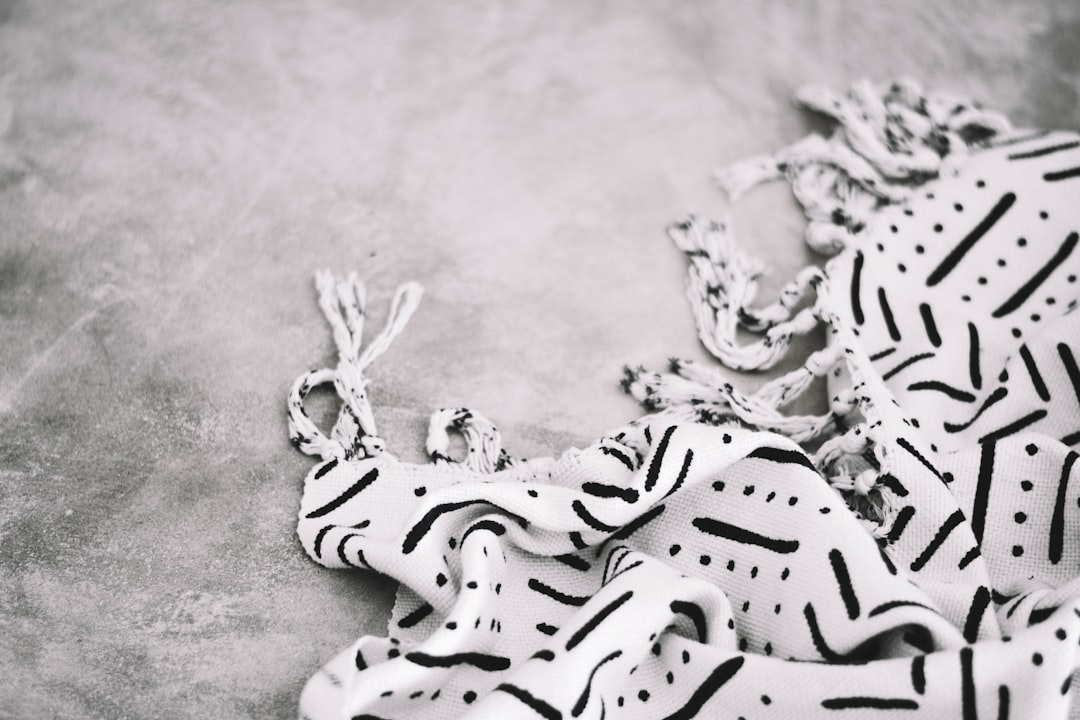
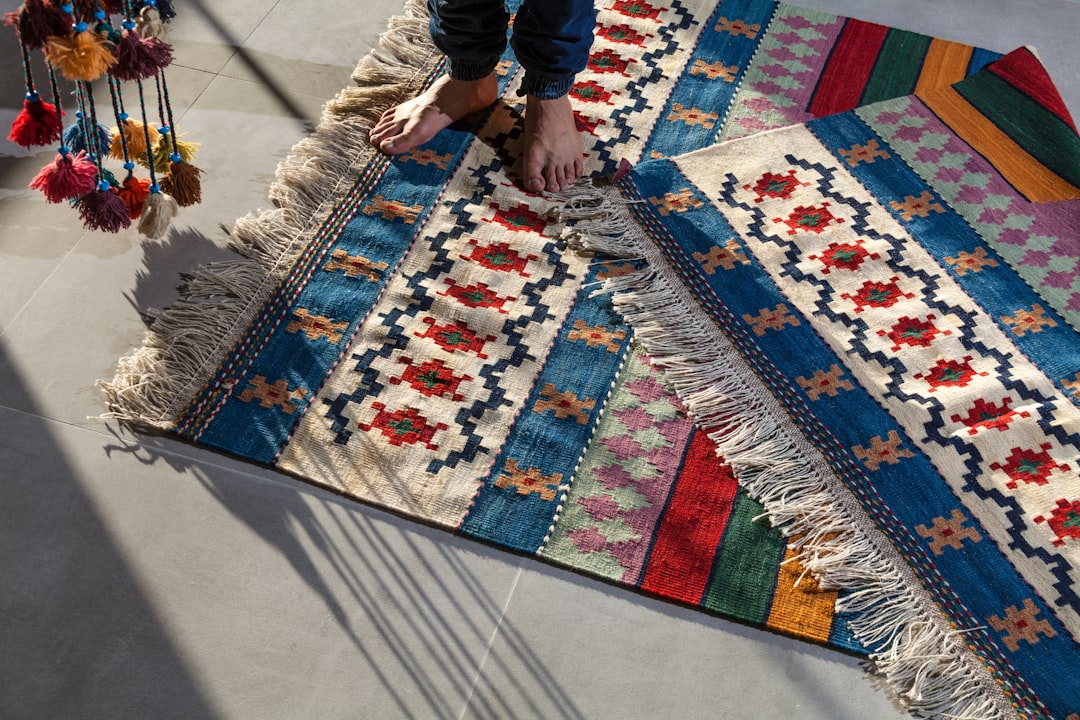
The rug that looked perfect online often arrives a different shade under Singapore’s harsh fluorescent lighting—that taupe Moroccan weave suddenly reads hospital beige against HDB corridor tiles. At Megafurniture’s Joo Seng and Tampines showrooms, you’ll find rug collections laid across actual flooring samples (terrazzo, engineered oak, homogeneous tiles) so you can judge how that 200x290cm wool blend actually pools under a sectional sofa. Natural light floods the Tampines space mornings, while Joo Seng’s track lighting mimics evening downlights—crucial for checking if that geometric pattern will glare during movie nights. Test stains on display swatches with provided wet wipes; synthetic polypropylene resists kopi spills better than jute, though the latter’s breathability suits humid bedrooms. Walk barefoot across pile heights—a 12mm shag rug softens marble floors for toddlers, but collects crumbs in high-traffic areas near the dining set. Showroom staff keep tape measures handy to mark out 160x230cm boundaries on the floor, proving that "medium" rug you’re eyeing might leave your L-shaped sofa floating awkwardly. Their Somnuz® mattress line gets attention, but the rug selection reveals subtle curation—only 3–5 pieces per style, avoiding the paralysis of giant warehouses. You’ll find thick, low-pile wool rugs that stay put on polished concrete without a pad, essential for landed homes with drafty floors. Check the
throws and cushions collectionfor matching textures; that charcoal herringbone weave pairs better with linen than velvet. No returns for "colour mismatch" claims—what you see under showroom lighting is what you’ll live with. They’ll roll your chosen rug into a trolley for inspection under the carpark’s LED floods, the real test for Singaporean buyers.
High-floor apartment deliveries often involve navigating tight lifts and narrow corridors — a 240×340cm rug won’t fit unless it’s rolled tightly and manoeuvred carefully. Most suppliers in Singapore offer delivery to condo units, but it’s worth confirming whether they’ll handle the last-mile logistics or expect buyer assistance. For landed properties, direct doorstep delivery is typically smoother, though you’ll still need clear pathways to avoid snagging edges on stair railings or door frames.
Once installed, maintaining your rug’s appearance requires material-specific care. Synthetic fibres like polypropylene are forgiving — vacuum weekly to remove dust and debris, focusing on high-traffic areas near sofas and coffee tables. Wool rugs, while durable, demand more attention; dry-clean bi-annually to preserve their texture and prevent matting. Spot cleaning spills immediately helps avoid stains, but avoid harsh chemicals that might discolour the fibres.
In homes with young children or pets, rugs act as both a soft play surface and a magnet for spills. Opt for darker tones or subtle patterns to camouflage inevitable marks — a minimalist charcoal or navy rug can hide more than you’d think. Rotate the rug every six months to ensure even wear, especially in seating zones where foot traffic is heaviest.
Proper care extends a rug’s lifespan, but placement matters too. Avoid direct sunlight to prevent fading, and use a rug pad to prevent slipping on polished marble or wooden floors. In humid Singapore, occasional airing helps prevent musty odours, particularly for natural materials like jute or cotton.
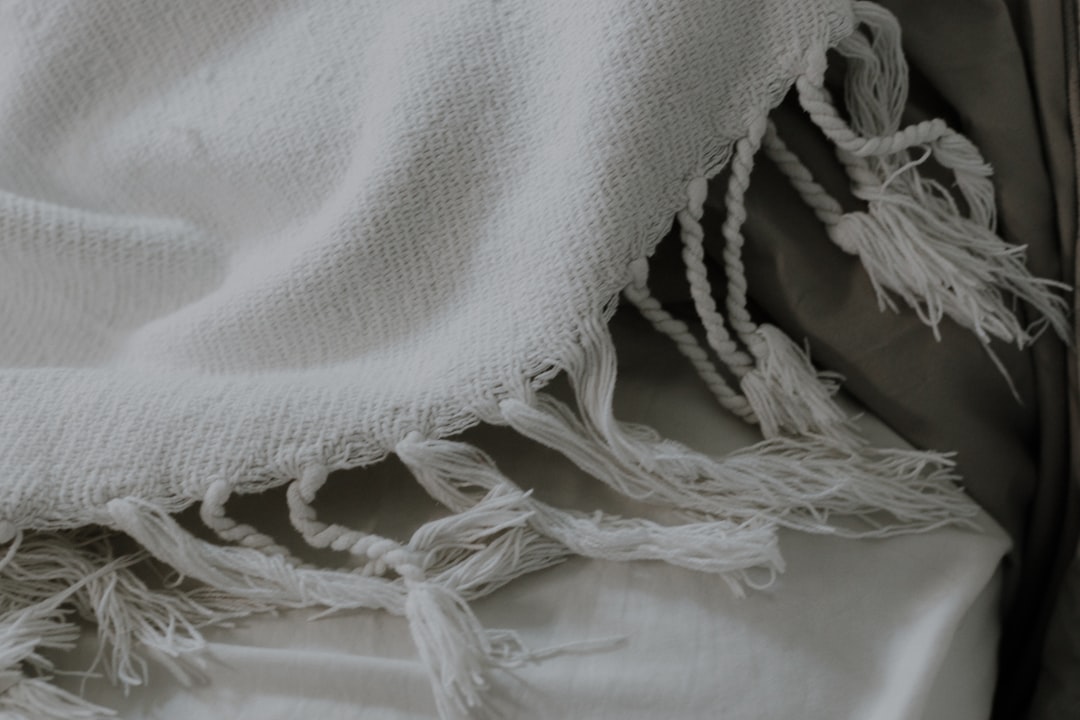
Can I layer rugs? Absolutely — and it’s a practical trick for HDB flats where a single rug might feel underwhelming. Start with a larger, neutral base rug (think jute or polypropylene) to ground the space, then add a smaller, patterned or textured rug on top for visual interest. This works especially well in compact 4-room BTO layouts, where zoning the living area without overcrowding is key. Just ensure the top rug doesn’t slide; a non-slip pad underneath solves that.
What size rug fits a 3-seater sofa? For most Singaporean living rooms, a 200×300cm rug is the sweet spot. It should extend at least 15cm beyond the sofa’s edges on either side — enough to anchor the seating area without overwhelming the space. In tighter layouts, like a 12 sqm HDB common room, a 160×230cm rug can work, but it’ll leave the sofa legs partially exposed. That’s fine if you’re aiming for a minimalist, open feel.
How do I clean a rug in a humid climate? Wool rugs are durable but prone to mould in high humidity; opt for polypropylene or cotton blends if you’re in a ground-floor condo or landed property with less airflow. Vacuum weekly to prevent dust buildup, and spot-clean spills immediately with a mild detergent. For deeper cleaning, professional services in neighbourhoods like Tampines or Bedok typically charge $50 to $100, depending on rug size and material.
Does rug thickness matter? It does — especially if you’ve got young kids or prefer walking barefoot. Thicker rugs (around 1.5cm) feel plush underfoot but can make furniture wobble; thinner options (0.5cm) are easier to clean and maintain. In many homes, a mid-thickness rug (1cm) strikes the right balance between comfort and practicality. Just avoid shaggy styles if you’re dealing with spills or pet hair — they’re a nightmare to keep tidy.
" width="100%" height="480">Rug size guide: Achieving visual balance in Singapore living roomsA rug that fits perfectly in a 12 sqm HDB living room might overwhelm a 16 sqm space — or worse, leave it feeling disjointed. Start by measuring the room’s seating area; a rug should extend at least 15cm beyond the sofa’s edges to anchor the space without swallowing it. For smaller layouts, a 200×300cm rug typically works, while larger rooms can handle 240×340cm or even custom sizes.
Material choice hinges on lifestyle. Wool rugs are durable and soft underfoot, but families with young kids might prefer polypropylene for its stain resistance and ease of cleaning. Jute adds texture but can be rough for crawling toddlers — a synthetic blend often strikes the right balance between practicality and style.
Placement is just as critical. In open-plan layouts, centre the rug under the coffee table to define the seating zone; in narrower spaces, align it with the sofa to avoid crowding. Don’t forget to account for foot traffic — a rug that’s too close to the door will bunch up over time.
Finally, consider the room’s overall aesthetic. A solid-colour rug in muted tones like grey or beige complements minimalist interiors, while bold patterns can add depth to neutral spaces. It’s not just about matching the decor; it’s about creating a cohesive flow that ties the room together.
Take a step back before committing. Does the rug feel proportionate to the space? Does it harmonise with the furniture and lighting? If the answer’s yes, you’ve likely found the right piece.