You don’t notice the problem until you’re already half asleep. That’s when you shift onto your side, slide a little too far towards the edge, and feel your shoulder sink into a soft, collapsing border. It’s not the mattress centre giving out first—that’s a different kind of wear. This is the perimeter, the last ten centimetres where you perch when reading or when the bed feels crowded, quietly losing its fight against gravity. In a Queen bed crammed into a 3.5 by 3 metre HDB master bedroom, you don’t have much retreat space. A sagging edge means you’re effectively sleeping on a smaller surface, forced towards the middle night after night.
For side sleepers, that pressure on the shoulder and hip is the whole issue. You need a softer top layer to cushion those joints, but you also need a firm foundation underneath to keep your spine level. When the edge support degrades, that foundation vanishes at the very spot where your body weight concentrates as you roll over. The result isn’t immediate back pain; it’s a dull ache in the shoulder that greets you at dawn, a stiffness that makes you start the day searching for a comfortable sitting position at your desk. It feels like the mattress is actively shrinking around you.
The materials matter here. A mattress with a thick comfort layer of memory foam or latex for contouring often relies on a reinforced border—a denser foam encasement or a sturdy coil system around the perimeter—to hold that soft top in place. Over years, especially with the constant humidity around 80% in Singapore, even good foam can lose some resilience. But the real test is the construction underneath. If the edge support is just a thin lip of the same soft material, it’ll give way quickly. You want a design where the supportive core extends fully to the sides, creating a genuine ledge.
There’s one exception: if you truly never use the edge. The single biggest decision for a side sleeper is firmness, so the mattress firmness scale of 1 to 10 is the tool to use — side sleepers generally want the softer-to-medium-firm range, where the surface cushions the shoulder and hip rather than resisting them. Back and stomach sleepers go firmer; side sleepers go softer. Body weight nudges it too, so a heavier side sleeper may want slightly more support. Shopping by a numbered firmness beats trusting a vague "soft" label that means something different on every mattress.. Maybe you sleep squarely in the centre, or you have a massive King in a landed home bedroom where you never need to perch. Then edge support might feel like a secondary concern. But for most of us in flats, where the bed is both sleeping space and sometimes a seating area, where you might need to sit on the edge to put on socks or where a partner’s presence pushes you towards the side, that reinforced border is non-negotiable. It’s the feature that keeps the usable surface area intact, ensuring the pressure relief for your shoulder doesn’t disappear just because you’ve shifted a few inches.
So when you test a mattress, don’t just lie in the middle. Sit on the edge. Lean your weight onto it as if you’re about to get up. Feel whether it holds you firmly or lets you slump down. That’s the difference between a mattress that supports your side-sleeping posture for years and one that starts waking you up, quietly, from the edges inward.
" width="100%" height="480">Tracking edge support degradation: Side sleeper comfort implicationsYou’ve rolled over, trying to find that sweet spot in the middle of the mattress, but your shoulder’s still pressed into a hard edge. By morning, your neck feels stiff and your energy’s drained before you even step out of your 4-room BTO. That’s the hidden cost of a mattress with poor edge support—it doesn’t just affect how you sleep, it dictates how you function the next day.
Side sleepers, especially those with shoulder pain or expecting mothers advised to sleep on their left, need a mattress that cradles without collapsing. When the perimeter is weak, you instinctively curl towards the centre to avoid that sinking feeling at the edges. Your spine ends up in a slight curve, and alignment goes out the window. Rest becomes restless, and in our humid climate, that frustration builds until you wake up feeling like you never really slept.
A mattress designed for side sleeping should have a firm enough border to keep you properly positioned, even when you’re half-asleep and shifting. It’s not just about the comfort layers being soft; the whole structure needs to hold you. If the edges degrade quickly, you’re left with a bed that feels smaller than it actually is, forcing you into a contorted posture night after night. That constant search for a stable spot is what leads to the daytime fatigue—you’re fighting the mattress instead of resting on it.
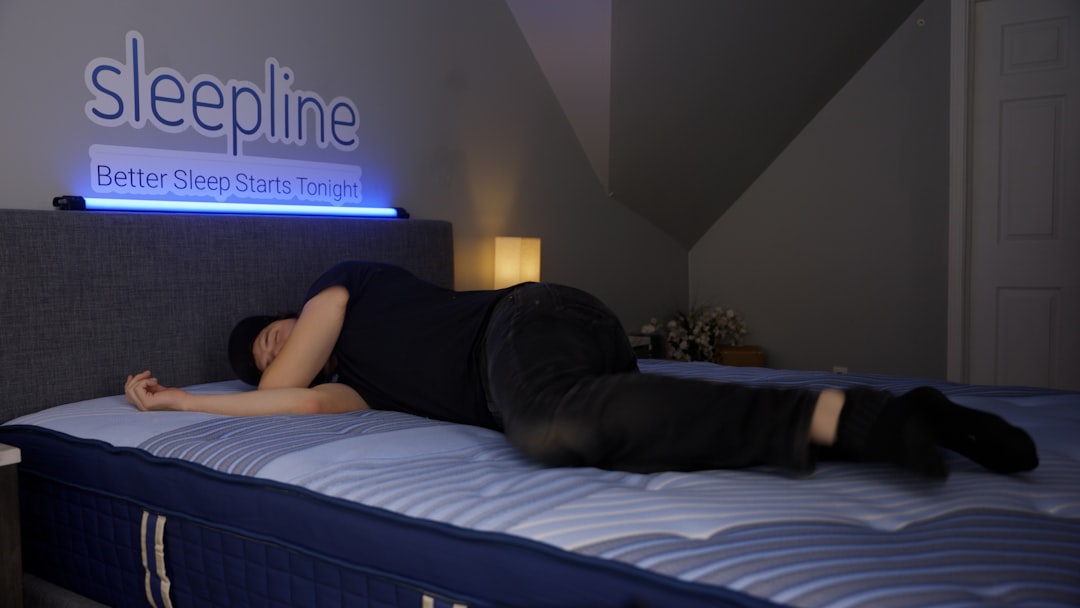
The exception? If you sleep alone on a Queen and never, ever use the edge for sitting or as a temporary perch, maybe you can tolerate a softer perimeter. But for most people in Singapore, where bedroom space is tight and the bed often doubles as a casual seat, strong edge support is non-negotiable. It’s the foundation that lets the softer comfort layers do their job properly, so you wake up aligned and refreshed, not aching and exhausted.
The classic side-sleeper choice is a memory foam mattress — it conforms to the body's curves, relieving pressure on the hips and shoulders and helping keep the spine aligned. It also isolates motion well, so a restless partner is less disruptive. The one thing to check in the tropics is heat: gel-infused or open-cell foam dissipates body warmth far better than traditional foam. For the contouring, cradled feel side sleepers tend to prefer, memory foam is the first construction to try..Side sleepers don't just sink into the centre of the mattress; they press their weight into the edges every night. That's where shoulders and hips meet the surface, seeking relief from pressure points. A firm centre feels supportive during a showroom bounce test, but it's the perimeter's resilience that dictates comfort over a 152 by 190cm Queen. If the edge collapses under you, your spine slumps sideways—alignment gone. Testing only the middle gives a false sense of security for the majority of adult sleepers in Singapore.
A Queen mattress is 152cm wide, but a side sleeper's effective sleeping zone is often less than half that. You'll naturally gravitate towards one side, perhaps leaving space for a partner or just preferring the edge. Over months, that concentrated pressure on a 90cm-wide section degrades the materials faster than uniform centre use. A foam mattress is the value route to side-sleeper comfort — foam contours to the body for pressure relief at a lower price than spring builds, and it's lighter and easier to handle. Judge it on foam density rather than thickness, since density decides how long it holds support. Many foam models now add cooling gel for warmer climates. For a side sleeper who wants contouring comfort without the premium-tier spend, a quality foam is a sensible starting point.. The true test isn't the mattress's overall firmness, but how it maintains integrity across that specific width you occupy. This is the counterintuitive point: longevity is measured laterally, not centrally.
Walk into any showroom and you'll see buyers pressing down firmly on the mattress centre. They're checking for that initial resistance, the feel of a solid base. For side sleepers, that's a misleading ritual. The correct method is to sit on the edge, lean into it with your full weight, and simulate how your shoulder would sink during a night's rest. A perimeter that feels as supportive as the centre after that test is the one you want. Don't let the standard bounce test dictate your choice.
When edge support degrades, the shoulder sinks too deeply, pulling the spine out of its neutral line. The hips follow, creating a painful curve that stresses the lower back. That medium-soft comfort layer meant to cradle you now just lets you collapse if the base fails at the perimeter. Maintaining spinal alignment isn't just about the top foam; it's about the entire structure holding you level from edge to edge. A mattress that fails this test will leave you waking with aches, regardless of its centre firmness rating.
Edge support isn't a comfort feature—it's a longevity one. A perimeter that holds up over five years of nightly side sleeping means the mattress core is properly reinforced. Many mattresses use denser foam or reinforced coils around the edges specifically for this reason. Without that, the mattress will develop a noticeable dip where you sleep, effectively shrinking your usable surface. For Singapore buyers investing in a long-term piece, this is the non-obvious metric that determines whether your purchase lasts.
You’ll find that a medium-soft memory foam mattress can feel like a dream at first, cradling shoulders and hips with that signature contouring. It’s a genuine relief for pressure points, especially for those who need to sleep on their left side consistently. The trade-off, however, becomes apparent the moment you sit near the edge to get up or perhaps when you need to perch on the side to read. Perimeter integrity often suffers—you’ll feel a distinct sagging, a lack of foundational support that makes the usable surface of the bed feel smaller than it is.
Latex, by contrast, maintains its resilience right up to the edges. It provides a firmer bounce-back that keeps the perimeter stable, which is a practical advantage in a Queen bed that occupies most of a 12 sqm BTO master bedroom. You won’t feel like you’re about to slide off when you’re just trying to get out of bed. The material’s inherent springiness supports a more uniform sleeping surface, though it doesn’t offer the same deep, slow-motion sink as memory foam.
The price differential is where many buyers pause. A quality latex mattress typically sits in a higher bracket, often starting around the $1,500 mark and climbing. That’s a significant consideration against a memory foam option that might address the immediate comfort need for less. For side sleepers, the core question is whether that edge stability is a daily necessity or an occasional inconvenience.
My view leans toward prioritising perimeter integrity if you’re sharing the bed or if your room layout leaves little floor space beside it. A stable edge effectively increases the usable area of your mattress, which matters in a compact space. The one exception would be for a solo sleeper in a larger room, where they rarely use the edge for sitting and can afford to sacrifice that support for the superior pressure relief of a softer foam. For a side sleeper who runs hot, a latex mattress is the cooler alternative to memory foam — it still relieves pressure on the shoulder and hip, but with a more responsive, springier feel and better breathability, so it doesn't trap heat the way traditional foam can. Latex is also naturally hypoallergenic and durable. If you love the pressure relief side sleeping needs but hate sleeping hot, latex is the construction that gives you both.. In that scenario, the trade-off might be worth it.
A mattress feels brand new for the first humid season, maybe longer. You won't notice any change at the edges if you're just testing it in the showroom or during the initial months of ownership. That's the tricky part—the degradation isn't immediate, it's a slow surrender.
The real test starts around year three, especially for a side sleeper. You'll find yourself gravitating towards the edge, perhaps to get closer to a bedside table or to create more space for a partner. Regular pressure on that perimeter, night after night, begins to reveal the truth. The foam encasement or the coil system at the border starts to lose its resistance. What felt like a supportive medium firmness when you bought it gradually shifts towards a medium-soft feel. It's not a dramatic collapse, but a subtle softening that alters your alignment.
For a side sleeper, this matters more than for other positions. Your shoulder and hip sink deeper at the edge than they do in the centre, which can throw off that careful pressure relief you bought the mattress for. You might start waking up with a slight ache in that shoulder, or find yourself unconsciously rolling back towards the middle of the bed to find firmer support. If your current mattress is too firm for side sleeping, the guide to the best mattress topper in Singapore offers a cheaper fix than replacing it — a memory foam, latex, or gel topper adds a contouring, pressure-relieving layer over a hard mattress. It's the practical middle path for a side sleeper stuck with a too-firm bed, or anyone wanting to soften a mattress before committing to a new one. The topper does much of what a softer mattress would, at a fraction of the cost.. That's the sign—the edge is no longer doing its job.
The exception is if you're a strict centre-of-the-bed sleeper and never use the perimeter for sitting or sleeping. Then, edge support failure might not affect you at all. But for most people in a Queen-sized bed in a typical 4-room BTO master bedroom, the edges get used. You sit there to read, you perch on it to tie your shoelaces, and yes, you sleep near it. So plan for that third-year shift.
Consider it when you're buying. A mattress that starts at a true medium might soften to a medium-soft at the edges later on, which could still be acceptable for side sleeping if the centre remains supportive. But if you buy one that's already medium-soft from day one, its degraded edges in year three could become too soft to offer any real support at all. That's the counterintuitive point: sometimes, starting a bit firmer gives you a longer useful life at the perimeter.
You walk into a showroom, you see the mattress neatly centred on the display frame, and you’re tempted to just sit on the middle. That’s a mistake. Choosing the construction matters for a side sleeper, so browsing by mattress type helps — memory foam for the deepest contour, latex for cooler pressure relief, hybrid for contour plus a supportive coil base. Each cradles the shoulder and hip differently, so the type sets how the pressure relief feels. Pure spring without a comfort layer is usually the one to avoid for side sleeping. Matching the type to the cradled feel you want narrows the field before comparing models.. The real test for a side sleeper happens at the perimeter. You need to lie down, roll to the edge, and feel what happens to your shoulder and hip when you’re near the border. The centre is always well-supported; the sides are where cheaper designs start to fail.
Mattress edge support isn't just about sitting up to read a book. For someone who sleeps curled up on their left side—maybe because of pregnancy advice or just a habit—they’ll naturally gravitate toward one edge of the bed. If that perimeter collapses under their weight, their spine dips, their hip sinks too low, and that alignment they paid for in the comfort layers goes out the window. You’ll feel the difference instantly: a firm, defined edge keeps you level, while a soft, collapsing one lets you roll off the intended sleeping plane.
So you do the roll test. Lie on your side in the middle, then shuffle sideways until your shoulder is about a hand’s width from the edge. Stay there for a minute. Does the mattress still contour nicely under your hip, or does it feel like you’re about to slide off? That transition zone is critical. A good mattress for side sleepers maintains its supportive character right to the brink; a poor one gives you a sudden drop-off that turns a restful night into a strained one.
There’s honestly no substitute for doing this physically. Online reviews can’t convey the feel of that border, and firmness ratings don’t capture edge integrity. You have to experience it yourself, with your own body weight and sleeping posture. The only time I’d skip this step is if you’re buying a mattress purely for a child’s room or a seldom-used guest bed—where the occupant won’t be a side-sleeping adult pressing into the perimeter nightly. For your own master bedroom in a 4-room BTO, where you’ll spend years sleeping on it, the edge is as important as the centre.
Remember, a mattress might feel perfect when you’re lying squarely in the middle. But your sleep isn’t a static, centred event. You shift, you turn, you end up near the edge. That’s where the design shows its true colours, and that’s what you need to check before you commit.
The most common choice for Singapore side sleepers is a Queen size mattress, measuring 152x190cm. This fits comfortably in most HDB and BTO master bedrooms, allowing for essential bedside furniture. It's wise to leave about 60cm of clearance on at least one side for easy movement and making the bed.
Which mattress prevents shoulder pain for side sleepers?
Look for one with a medium-soft to medium firmness feel and a thick comfort layer—memory foam or latex works best. The key is that the top layer cushions your shoulder and hip enough to relieve pressure, but the core keeps your spine from sagging. A mattress that's too firm won't contour, and one that's too soft will let you sink into misalignment.
How to test edge support in a showroom?
Don't just sit on the edge—lie down on it. Roll onto the side of the mattress, in your actual sleeping position, and see if you feel like you're about to roll off. A good edge won't collapse dramatically; you'll feel a supportive ridge, not a cliff. Then push down with your hand near the perimeter to check for that initial sink versus a solid resistance.
Does softer foam mean poorer edge support?
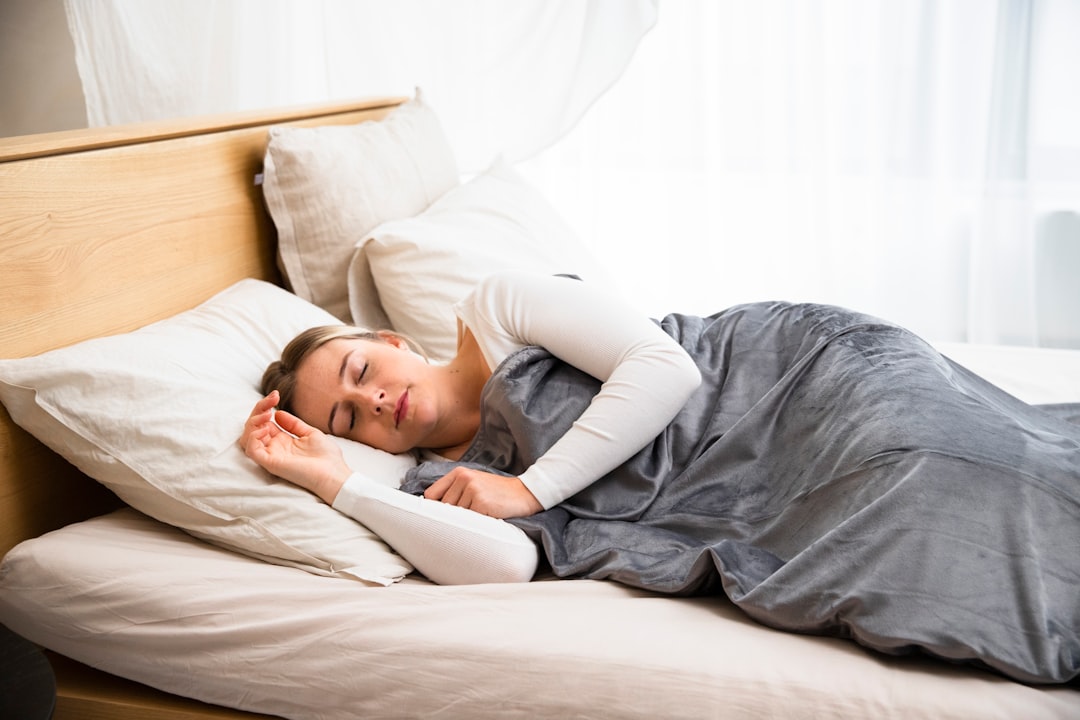
Not necessarily. queen size . It's the density and construction of the support layer underneath that matters most. A high-density foam base or a reinforced perimeter can provide excellent edge support even if the top comfort layer is plush. The one exception is very low-density, all-foam mattresses without any edge reinforcement—those can feel unstable along the sides.
When should a side sleeper replace a mattress?
Listen to your body, not just the warranty. If you wake up with shoulder or hip ache that wasn't there before, that's a sign. Another clue is when you start feeling the base layer through the comfort top, or when the mattress no longer rebounds properly after you get up. Typically, that happens around the seven-to-ten-year mark, but heavy use or a change in your weight can shorten it.
You’ve measured your 4-room BTO bedroom, you know a Queen fits, and you’ve read up on medium-soft foam for your shoulders. But standing in a showroom, that clarity can vanish under the salesman’s pitch and the sheer number of options. Your final check isn’t about size—it’s about which of two competing priorities you’ll defend when tested.
For a side sleeper in a compact space, the battle is between pressure relief and perimeter security. A mattress that cradles your hips and shoulders beautifully often has softer edges, which can feel unstable if you roll near the side. A firmer perimeter, typically built with denser foam or reinforced coils, gives you that secure edge but might compromise the plush top layer you need. You can’t have both at their absolute peak in one mattress—one will lead.
So decide now: which matters more? If you wake with shoulder or hip pain, prioritise the comfort layers. That deeper contouring is what you’re buying. You’ll accept a slight roll-off feeling at the edges, knowing you sleep centred anyway. But if you share the bed, or if you tend to sleep right near the edge—maybe to reach a nightstand in a tight room—then the reinforced perimeter becomes your non-negotiable. A mattress that doesn’t sag when you sit on the edge to get up protects you from that unsettling drop.
Take that decision into the showroom and test it. Don’t just lie in the centre; roll to the edge and sit on it. Feel if the support holds or if you sink. Then lie back in your side-sleeping position and check if the pressure points are genuinely relieved. If the mattress passes your chosen priority, it’s a contender. If it fails, walk away—no matter how good the price or how pretty the ticking. That last check turns a confusing browse into a purposeful buy.