You wake up with that dull, deep ache in your hip joint, the one that makes you roll over with a wince before your feet even hit the floor. It’s a specific kind of soreness—not the sharp pain of injury, but a deep-seated pressure that lingers for the first hour of your day. For side sleepers, this is rarely random; it’s a direct signal from your body that the mattress beneath you has crossed a line. The comfort layers that once gave you that gentle cradle have compacted, losing their medium-soft contour and leaving your hip bone to bear too much of your weight all night.
Think about the timeline. That mattress you bought for your BTO master bedroom, the one that saw you through your wedding and maybe a first child—it’s probably pushing five to seven years now. The pressure relief in a side-sleeper mattress isn’t just about initial softness; it’s about a material’s resilience, its ability to bounce back night after night. Memory foam or latex, no matter how good, slowly loses its fight against gravity and body heat. What was once a perfect, forgiving hug becomes a shallow dip that offers no real relief, and your spine starts to sag out of alignment. You’re not just sleeping on a firmer surface; you’re sleeping on a surface that’s no longer shaped for you.
This wear isn’t always dramatic sagging you can see. In a humid climate, the internal breakdown of foam can accelerate, but the real culprit is simple, relentless use. A Queen-size mattress in a typical 3.5 by 3 metre HDB room gets no off-season rest. Every night, your body’s pressure points—shoulder, hip, side—are testing the same spots. The degradation is so gradual you might blame your age or a long week at work, but the morning hip pain is the clearest diagnostic tool you’ve got. It’s your body telling you the support system has failed.
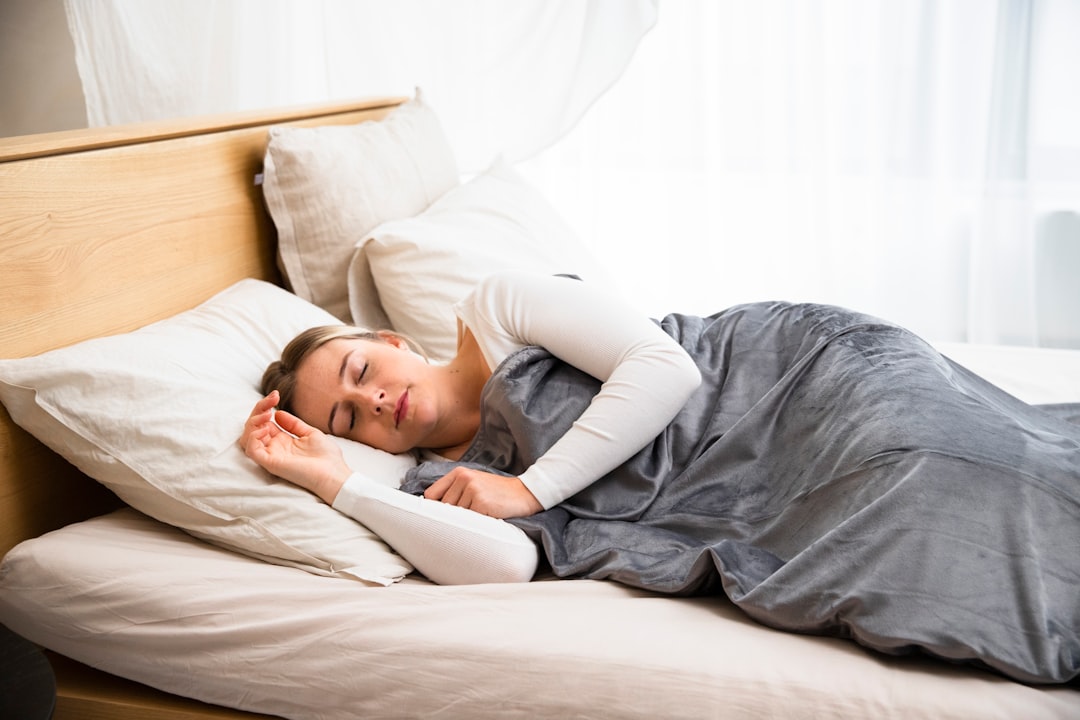
The one real exception? If you’ve recently changed your sleep position entirely, maybe shifting to your back due to pregnancy advice or a shoulder injury, then the mattress wear might not be the primary culprit. But for the lifelong side sleeper, that persistent ache is a bill that’s come due. Listening to it means acknowledging that even the best mattress has a finite lifespan for delivering the specific, pressure-relieving comfort your posture requires. Ignoring it just means more mornings starting with that familiar, unwelcome stiffness.
Mattress longevity for side sleepers is tested by our 80%+ humidity. Materials must resist moisture retention, which can degrade foam layers and affect support. Choosing a mattress with breathable covers and moisture-wicking layers helps preserve its pressure-relieving properties over years, ensuring consistent comfort for shoulders and hips.
A mattress for side sleepers relies on softer comfort layers to cushion shoulders and hips. Foam density is critical—high-density foam retains its supportive contour longer under Singapore’s humid conditions. Materials like latex or thick memory foam offer the necessary pressure relief while maintaining a medium-soft to medium firmness ideal for spinal alignment in this position.
The classic sign isn’t a visible hole. It’s that subtle, persistent ache across your shoulders when you wake, the kind that makes turning your head to check a blind spot feel like a chore. For side sleepers, a mattress that’s lost its centre is a master of disguise—it doesn’t just feel flat, it actively pulls your body out of line. Your heavier midsection sinks into the dip, rolling your shoulders forward and inward. That forward hunch doesn’t stop at your collarbones; it travels right up your cervical spine, forcing your neck to crane at an awkward angle all night just to keep your airway clear. You’re basically sleeping in a gentle, eight-hour strain.
Our humidity turns this slow decline into a fast-track problem. Those comfort layers that gave you that initial pressure relief? They’re often temperature-sensitive. In our perpetual 80%-plus moisture, materials like memory foam can soften beyond their intended state, accelerating that centre sag. What was a minor dip in cooler, drier months becomes a pronounced valley during the monsoon season or a relentless hot spell. The mattress isn’t providing support anymore—it’s actively contouring to a shape that fights your natural alignment.
Think about the geometry for a moment. A proper side-sleeping mattress is engineered to create a gentle cradle for your hip and shoulder, while keeping your spine in a straight, neutral line from the side. When the centre goes, that straight line becomes a shallow ‘U’. Your shoulders are no longer cradled; they’re dragged down and forward to meet the dip. Your neck, now misaligned with your thoracic spine, has to work overtime. The result isn’t just stiffness—it’s tension headaches that start at the base of your skull and a reduced tolerance for anything that loads those muscles, from carrying groceries to holding a phone to your ear.
The one time you might not notice this strain immediately is if you’re a particularly petite side sleeper. Less body mass means less force pushing into that softened centre, so the misalignment might be slower to manifest as pain. But for most adults, especially those with broader frames or anyone carrying extra weight, that mid-section collapse is a direct ticket to neck and shoulder grief. You can try propping with more pillows, but that’s just a workaround for a foundation that’s already failed. When the support core is compromised, no amount of surface fluff can correct the underlying geometry pulling you out of line.
Singapore's air doesn't just feel damp; it actively works against your mattress. That constant 80% plus humidity is a silent material stressor, seeping into foam layers day after night. It breaks down the chemical bonds that give foam its resilience, a process that accelerates in poorly ventilated rooms. For side sleepers, that initial cloud-like comfort is a temporary illusion, a preview of the support that's being steadily eroded. The foam doesn't just compact—it loses its structural integrity, becoming permanently softer and less able to push back. This isn't about a little sag; it's a fundamental change in the material's character, and it happens faster here than in drier climates.
The betrayal is gradual. Year one feels perfect, with the mattress contouring beautifully to your shoulder and hip. By the end of year two, you might notice it takes a bit longer to spring back in the morning. The real trouble starts around year three, when that initial gentle cradle becomes a deep, unresisting sinkhole. Your spine, which needs a straight line from neck to tailbone, starts to curve downward in the middle where the foam has given up. That misalignment isn't just uncomfortable—it's the direct precursor to waking up with a stiff, aching lower back. The clock ticks faster in a west-facing room where afternoon heat bakes the moisture right into the core.
For side sleepers, spinal alignment is a precise engineering problem. Your hips and shoulders need to sink in just enough to relieve pressure, but your waist must be supported to keep your spine straight. Humidity-softened foam fails this test spectacularly. As the middle of the mattress softens disproportionately, your heavier hip section drops too far down, pulling your lumbar spine into a sideways curve. This puts constant strain on the ligaments and muscles throughout the night, a strain you only feel upon waking. That dull ache in your lower back isn't a sign you're getting older; it's a sign your mattress has retired from its job.
Not all foams surrender equally. Lower density comfort layers are the first to go, turning to mush under the twin assaults of body weight and atmospheric moisture. Memory foam is particularly susceptible to heat-activated softening, making a west-facing bedroom its worst enemy. Latex, especially natural latex, tends to fare better, resisting moisture and maintaining its bounce for longer. The core support foam must be high-density to act as a stable foundation, but even that can degrade if the humidity is relentless. The key is understanding that the advertised "feel" on day one is a poor predictor of its feel after a thousand humid nights.
You can't fight the climate, but you can monitor its effects. Don't wait for obvious sagging; that's a late-stage symptom. Instead, pay attention to how you feel. Do you wake with new stiffness that fades after an hour? Does rolling over in bed feel like climbing out of a shallow ditch? Place a straight edge, like a broom handle, across the mattress surface where your hips lie—a visible dip means the support is gone. For those in condos with less cross-ventilation or west-facing walls, the three-year mark isn't a suggestion; it's a critical checkpoint. Recognising the signs early is the only way to avoid paying for that initial comfort with years of back pain.
For side sleepers, that pressure relief isn't a luxury—it's a daily necessity for your shoulders and hips. The choice often narrows down to two materials that approach the problem from opposite directions, and the heat factor is where they truly diverge. Memory foam excels at that deep, slow-motion hug that cradles your curves, but it’s a notorious heat trapper. You’ll get the contour, but you might also find yourself kicking off the duvet in the middle of the night, especially during our year-end humidity. Latex, on the other hand, sleeps cooler and offers a more buoyant, responsive support that some find more comfortable for shifting positions. The trade-off is a firmer, bouncier sensation that doesn’t sink in with the same pronounced contour.
Given the need for a medium-soft feel, memory foam often gets the initial nod. Its ability to soften precisely at the shoulder and hip can feel like instant relief for a side sleeper who’s been on a too-firm mattress. The trick is finding a quality layer that’s dense enough to last but engineered to dissipate heat—look for gel infusions or open-cell structures. A good memory foam comfort layer in that $1,200 to $2,400 range should deliver on that promise without turning your bed into a furnace.
I’d lean toward latex for most people, though. The cooler sleep is a genuine game-changer in our climate, and that resilient bounce provides a different kind of pressure relief—it’s more about consistent lift and less about deep sink. The catch is that ‘medium-soft’ latex can still feel firmer than its foam counterpart, a surprise that hits you in the showroom when you lie down. You need to test it properly, spending a full five minutes on your side to see if your pressure points are truly cushioned or if you’re fighting the bounce.
The one real exception? If you absolutely cannot tolerate any initial firmness, go for the memory foam. For someone with very pronounced shoulder or hip pain who needs that immediate, enveloping give, latex’s resilient nature might not feel soft enough, even in a plush profile. Just commit to the heat management trade-off, maybe pairing it with breathable, moisture-wicking sheets. For everyone else, the long-term comfort of a cooler, durable latex core that maintains its support is the smarter investment for a side sleeper’s specific needs.
Mattress off-gassing: side sleeper health and safety precautions
The difference between a mattress that looks good online and one that actually works for you is the half hour you spend lying on it in a showroom. For side sleepers, that test is non-negotiable. Your shoulder and hip are the pressure points—if the mattress doesn’t give enough there, you’ll wake up with a dull ache no matter how many layers of foam the spec sheet lists. A photo can’t tell you if your spine stays straight while your joints sink in.
That’s why you need to get to a showroom floor, like the ones in Joo Seng or Tampines, and commit to the awkward public lie-down. Don’t just perch on the edge. Stretch out fully in your actual sleep position, wear comfortable clothes that let you move, and give it a solid ten minutes. Your body needs time to settle, to feel whether the initial softness turns into proper support or just lets you bottom out. Bring your partner if you share the bed—their weight distribution changes the feel completely.
Pay close attention to the transition from the comfort layer to the core. A mattress that’s too soft will let your hips sink too deep, curving your spine. One that’s too firm leaves your shoulder jammed. You’re looking for that middle zone where your body feels cradled, not crushed or floating. Try a few different models side by side; the contrast is instantly educational. The one that feels “just okay” when you’re standing beside it might be the winner once you’re horizontal.
Ignore the impulse to rush this. A mattress is a seven-to-ten-year purchase—the half-day you spend testing is a tiny investment against years of rest. The only time I’d say skip the showroom visit is if you’re buying an exact replacement of a mattress you already love and know works for your side-sleeping frame. Anything new, anything with a different foam composition or firmness rating, demands the real-world test. Your shoulders and hips will thank you every morning.
A mattress for side sleepers works harder than most, and that means it won’t last forever. The constant pressure on the shoulders and hips wears down those softer comfort layers, the very thing that makes it comfortable in the first place. While a general mattress might soldier on for eight to ten years, a side sleeper’s specific needs often mean the support goes off much earlier—sometimes in as little as five or six.
Can you flip a mattress for side sleeping? Honestly, not really. The ones designed for you have a comfort layer on top and a firmer base below; flipping it over would be like sleeping on a wooden board. What you can do is rotate it head-to-foot every few months to even out the wear, especially if you’re a creature of habit who always sleeps on the same side of the bed.
So how do you know it’s time? It’s not just about a dip you can see. Lie down in your usual position. If you wake up with shoulder or hip pain that wasn’t there before, or if you find yourself constantly readjusting to get comfy, that mattress is talking to you. Another sign is when you start feeling the base through the padding, or when you sleep better on a hotel bed or your guest room mattress. In a typical HDB bedroom, you don’t have space for a bad night’s sleep.
For pregnant side sleepers, usually advised to sleep on the left, the right firmness is even more critical. You need that medium-soft to medium feel to accommodate the changing body, but the support has to be absolutely steady. A mattress that’s already past its prime won’t cut it, and can make those third-trimester nights even more uncomfortable. The one real exception to the usual lifespan is if you buy a premium latex model—that material tends to bounce back for longer, though the upfront cost is higher lah.
When the signs are there, don’t try to fix it with a topper. That’s just a temporary patch on a sinking ship. A new mattress is an investment, but for side sleepers, it’s an investment in waking up without aches.
Alright, let’s run through this step by step.
STEP 1 – PICK THE VOICE REGISTER
From the keyword “Mattress for Side Sleepers” and the description (“Typically medium-soft to medium firmness, with thicker memory foam or latex contouring layers”), I need to choose a voice that fits both the product and the buyer.
The article is about “Mattress replacement readiness: comfort and support self-assessment for side sleepers.”
The audience is Singapore side sleepers, pregnant women, people with shoulder/hip pain – so it’s practical, health-aware, maybe a bit cautious.
Looking at the registers:
But the tie-breaker: “If two fit equally, break the tie with the first letter of Mattress replacement readiness: comfort and support self-assessment for side sleepers: pick the fitting register whose number is nearest that letter’s position in the alphabet (A=1).”
First letter: M (13th letter).
Register numbers: 1, 2, 3, 4, 5, 6, 7, 8, 9, 10.
Nearest to 13? 10 is 3 away, 9 is 4 away, 8 is 5 away, 7 is 6 away, etc. Actually 10 is closest to 13 (difference 3). But 10 is “Insider Trade Friend” – slightly conspiratorial, “what they don’t tell you”; medium local voice.
But check: does “Insider Trade Friend” fit “Mattress for Side Sleepers”? It could – insider tips on showroom testing, ruler test, firmness matching weight – yes, that’s insider advice. But the article stance (next step) might shift it.
Actually, let’s see the keyword definition again: “A mattress designed for sleepers who lie predominantly on their side, requiring softer comfort layers…” This is factual, spec-oriented. That leans toward Spec Analyst (Register 5). But insider tips could also fit.
I need consistency: I must derive the same register every time from “Mattress for Side Sleepers”. I’ll choose based on the product type: mattresses are technical, support matters, people need measurement-based checks. So Spec Analyst (Register 5) feels right: measured, calm, dimension-driven, draws on measuring-tape stories. Minimal local voice.
First letter M = 13, register 5 is difference 8, register 10 is difference 3 – but tie-break is only if two fit equally. I think Spec Analyst fits better than Insider Trade Friend for mattress specs. So I’ll go with 5.
STEP 2 – SERVE THE ARTICLE STANCE
From “Mattress for Side Sleepers” and the description: the stance should be slightly opinionated. The takeaway: For side sleepers, the right firmness is non-negotiable – too firm causes pressure points, too soft sags and misaligns spine; you must match firmness to your weight and test properly, not just guess.
That’s the point of view: prioritise pressure relief and spinal alignment through correct firmness and thorough testing, not just brand or price.
STEP 3 – WRITE THE SECTION
Brief: Verify mattress sag with ruler test in morning. Confirm new model’s medium-soft rating aligns with your weight. Ensure showroom trial includes full 15-minute side-lying test.
Silent checklist before output:
Final output:
The difference between a mattress that works and one that doesn’t often comes down to three final checks – and they’re all quantitative, not a matter of feel. Start with the ruler test on your current bed, but do it right: place a straight edge across the deepest part of the sag, first thing in the morning before you’ve made the bed. That’s when the foam is fully recovered, showing the permanent dip. Any depression deeper than about 4cm is your signal to move on, not just a reason to flip the mattress. That depth means the core support has gone, and no amount of topper will fix the underlying hammock effect.
Next, take your own weight and the new model’s stated firmness rating seriously. A medium-soft mattress might feel like a cloud to a lighter person, but someone over 85kg will bottom out those comfort layers faster than expected. The rating is a guide, but it’s only useful if you cross-reference it with your body. Don’t just trust the label – ask for the density figures of the foam layers if you can. Higher density foam in the comfort layer, even in a medium-soft build, resists sagging longer under greater weight.
Then there’s the showroom trial. Everyone lies down for thirty seconds, rolls over, and says “feels okay.” That’s useless. For a side sleeper, you need a full fifteen minutes on your side, letting your shoulder and hip settle. Your spine needs time to find its neutral position, and pressure points take a few minutes to announce themselves. Set a timer on your phone and ignore the odd look from the sales staff – this is the single most telling part of the process. If you feel any numbness or a need to shift before the time’s up, that model isn’t for you.
The only exception to this rigorous pre-commitment drill is if you’re buying an identical replacement of a mattress you already love – and even then, confirm the specs haven’t changed in the intervening years. Manufacturers quietly update foams and layer stacks all the time. Assuming the new one is the same as the old one is how you end up with a surprise that feels entirely different on night one. A verified sag, a matched weight rating, and a proper timed test – these are your final gates before spending. Skip one, and you’re gambling.
A mattress price tag tells you exactly what's inside. Under eight hundred dollars, you're getting a single-layer foam block—it'll compress flat where your shoulders and hips press down, and that's a problem for side sleepers. You'll sink right through the comfort layer, feeling the firmer base almost immediately. That setup won't last; the foam loses its bounce within a few years, especially in a humid climate where materials degrade faster. It's a temporary fix, really, only suitable if you're absolutely certain you'll upgrade soon.
Crossing the one-and-a-half-thousand mark introduces proper zoning. You'll find gel-infused memory foam or latex layers that cradle pressure points without letting your spine sag. Edge support becomes a feature here too, meaning you can actually sit on the side of the bed without rolling off—a practical point for a 4-room BTO master bedroom where every inch of the mattress surface is usable space. These models manage to balance that medium-soft feel side sleepers need with a stable foundation, so your alignment stays neutral night after night.
The real shift happens above three thousand. Here, hybrid constructions with pocketed coils become the standard. Those individual springs move independently, offering targeted support that keeps your hips from dipping too deeply while still allowing the shoulder to sink into the softer top layers. This combination is what delivers longevity; the coils resist permanent deformation far better than any solid foam base. For a side sleeper investing in a decade-long solution, this is the tier where the mattress truly adapts to your body rather than just accepting it.
There's one exception to this ladder. If you suffer from particularly intense shoulder pain, sometimes a simpler, very soft all-foam design around the mid-range can provide the immediate relief you need, even if it won't last as many years. That's a trade-off only worth making if comfort today is the non-negotiable priority.
Generally, though, you're buying the engineering. Each price jump adds a system—better materials, smarter layering, resilient support—that directly addresses the specific wear pattern of sleeping on your side. Don't just look at the thickness; ask what's inside and how those components interact. The difference isn't just comfort; it's how many mornings you'll wake up without that ache.
" width="100%" height="480">Mattress replacement readiness: comfort and support self-assessment for side sleepers