That sharp ache in your shoulder when you roll over at three in the morning isn't just a sign you're getting older. It's a direct message from a mattress that's not built for how you sleep. For side sleepers, the whole game is about pressure relief at two key points—the shoulder and the hip—and your current mattress likely fails because its comfort layer is either too thin or too firm. The shoulder, being a bony prominence, gets jammed into a surface that won't yield, forcing your whole frame out of line and cutting off circulation. You wake up with a dead arm or a dull throb that lingers past your first coffee.
In a typical 4-room BTO master bedroom, where every centimetre of that 152 by 190cm Queen is precious real estate, you can't afford a single night of compromised rest. The compact layout means there's no escaping to a guest room; this is your only sleep surface, night after humid night. A mattress that's just a firm slab with a token inch of padding on top might feel supportive for a back sleeper, but for you, it's a pressure cooker for your joints. The comfort layer needs to be deep enough to actually cradle the shoulder, allowing it to sink in just so, while the firmer core below keeps your spine from dipping into a painful U-shape.
The counterintuitive bit here is that a softer top doesn't mean a mushy bed. You need a specific kind of softness—one that's responsive and deep. A thin, cheap memory foam topper will just heat up and bottom out, leaving you in the same predicament. The single biggest decision for a side sleeper is firmness, so the mattress firmness scale of 1 to 10 is the tool to use — side sleepers generally want the softer-to-medium-firm range, where the surface cushions the shoulder and hip rather than resisting them. Back and stomach sleepers go firmer; side sleepers go softer. Body weight nudges it too, so a heavier side sleeper may want slightly more support. Shopping by a numbered firmness beats trusting a vague "soft" label that means something different on every mattress.. The proper solution is a thicker, quality comfort layer of memory foam or latex, engineered to distribute weight evenly. It's about creating a pocket for your shoulder, not a pit.
I'll be blunt: if you're a dedicated side sleeper, especially through pregnancy when left-side sleeping is advised, a medium-firm mattress with a standard thin pillow top is a recipe for discomfort. The only time you might get away with a firmer surface is if you're very lightweight, where your shoulder doesn't generate enough pressure to need that deep contour. For most adults, that's not the case. So if you're waking up sore, it's not your body failing—it's your mattress failing to do its one job for your sleep position.
" width="100%" height="480">Mattress comfort layer depth: Finding the right balance for side sleepersThat first stiff shuffle to the bathroom in the morning—that’s your mattress telling you it didn’t do its job. When the comfort layer is too thin or firm for a side sleeper, your shoulder and hip can’t sink in enough. Your spine gets forced into a slight curve instead of staying in its natural line, and the muscles along your back spend the whole night working to correct a problem they can’t fix. You’ll wake up with that familiar tightness across your shoulders or lower back, a clear sign the support wasn’t there.
It starts a real domino effect. A night of poor alignment means constant micro-adjustments, leading to restless sleep you don’t even fully remember. The next day, you’re reaching for the pain relief spray just to get through your morning routine, and your concentration at work takes a hit. Over weeks, that tiredness accumulates—it’s not just about feeling stiff for five minutes, it’s about your overall energy and mood being slowly drained because your body never got the proper rest it needed to recover.
This is especially critical for pregnant women, who are often advised to sleep on the left side to improve circulation. That left-side position puts tremendous pressure on the hip and shoulder, and without a deep, plush comfort layer to cradle those points, the discomfort can be intense enough to make sleep nearly impossible. The right cushioning isn’t a luxury here; it’s a necessity for managing the physical demands of pregnancy and getting the rest both mother and baby need.
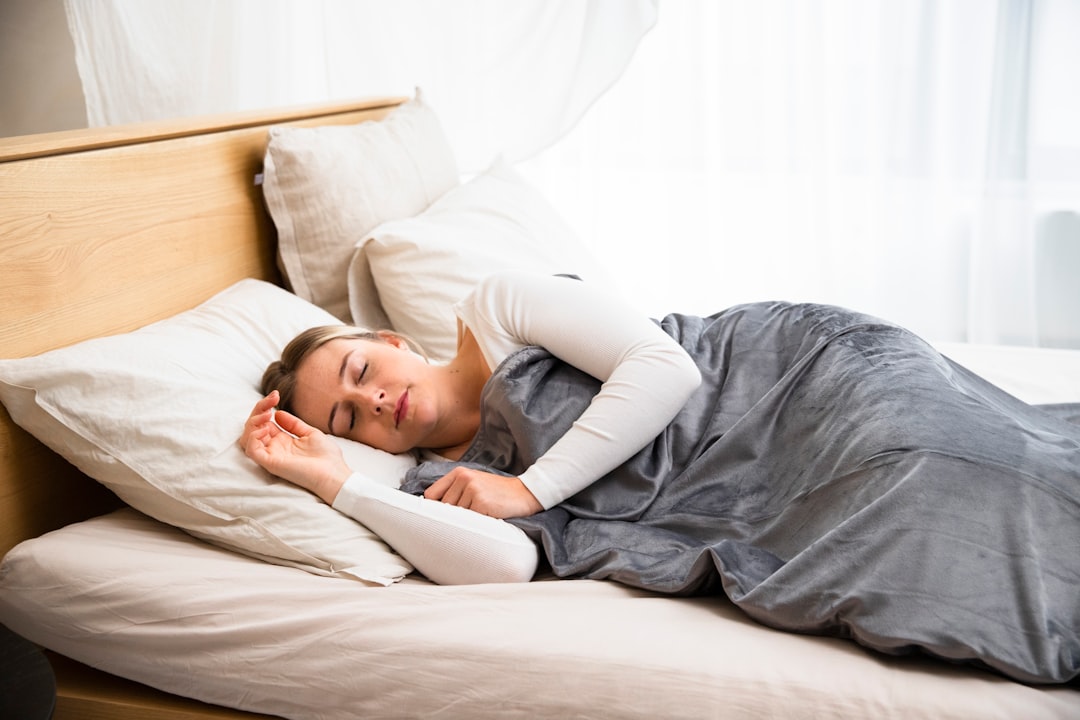
Don’t mistake a firm mattress for a supportive one. A rock-hard surface might feel sturdy, but for a side sleeper it’s just a recipe for pressure points. You need that thicker memory foam or latex layer—typically in that medium-soft to medium range—to allow for proper contour. The only time a thinner comfort layer makes sense is if you’re a very lightweight sleeper who doesn’t sink in much, but for most adults, skimping on contour means buying into that whole cycle of stiffness and fatigue. Your body will tell you the bill every morning.
A two-inch comfort layer often fails to properly map the contours of a side sleeper's body. Your hip and shoulder will press against the firmer support core below, creating distinct pressure points that can wake you up aching. That thinner foam simply doesn't have the volume to cradle those bony prominences effectively. For a typical Queen in a 3-room BTO master, where space is limited but comfort is non-negotiable, this becomes a real nightly compromise. The support might feel adequate at first, but the relief isn't deep enough for sustained side sleeping.
Jumping to a four-inch memory foam slab introduces a different challenge entirely in our climate. That generous depth is fantastic for contouring, but it also traps body heat with impressive efficiency. Without specific breathability features like open-cell structures or gel infusions, you're essentially sleeping on an insulator. Night sweats become a real possibility, turning what should be a relief into a sticky, uncomfortable experience. It's a classic trade-off where solving one problem can inadvertently create another.
The true goal for side sleepers isn't just softness—it's keeping the spine in a neutral, straight line from neck to hips. A two-inch layer often lets the hip sink too little, causing the spine to bow downwards. Conversely, a very soft four-inch layer can let the hip sink too deeply, creating a sideways curve. The ideal depth provides enough yield for the shoulder and hip to nestle in, while the lumbar and thoracic regions remain supported. Getting this balance wrong is a fast track to morning back stiffness.
latex mattress .Depth alone doesn't tell the full story; the foam type dictates how that depth performs. A four-inch layer of high-quality, breathable latex will sleep far cooler than a four-inch block of traditional memory foam. Similarly, a two-inch layer of a high-resilience, responsive foam can feel more substantial than its measurement suggests. You must consider the material's density and inherent properties alongside the inch count. Ignoring this interaction is how buyers end up with the wrong kind of comfort.
A thinner comfort layer will compress and lose its cushioning properties faster under constant, concentrated pressure from hips and shoulders. That two-inch pad might feel okay for a year, but the gradual degradation is inevitable and quicker. A thicker, higher-density layer distributes weight over a larger area and maintains its structural integrity for longer. For a mattress you plan to keep through the five-year MOP and beyond, investing in adequate depth is an investment in lasting comfort. Skimping on inches now often means replacing the entire mattress sooner.
Our humidity is the great leveller, turning a mattress choice into a test of endurance. For side sleepers, pressure relief is non-negotiable—your shoulder and hip need that sink-in give. But sink into traditional memory foam on a typical 80% humidity night, and you’ll feel the heat build up around you, a trapped warmth that can ruin the contouring comfort. That’s the classic trade-off: deep hug versus a hot sleep.
Newer gel-infused foams try to bridge that gap. They channel heat away better, offering a cooler surface that still cradles your pressure points. It’s a decent middle path if you’re set on that memory foam feel. But for a genuinely ventilated sleep, natural latex is in a league of its own. Its open-cell structure breathes freely, letting the air circulate so you don’t wake up feeling like you’re in a sauna. The support is different, though—bouncier, more buoyant than the slow sink of foam.
That bounce is the catch. Some side sleepers love the responsive lift, finding it helps with repositioning. Others miss the deep, moulding hug that lets their shoulder truly nestle in. You really need to lie on one in a showroom to know which camp you’re in. And then there’s the price tag. A good natural latex mattress often sits in the two to three-and-a-half thousand dollar range, a significant step up from many foam options. You’re paying for that natural breathability and often exceptional longevity.
So, which one wins? For the humid climate, latex has the clear edge on temperature regulation. Its natural ventilation is a built-in advantage no foam can fully match. The only time I’d steer a side sleeper away is if they’ve tried that buoyant feel and genuinely dislike it—if you crave that pronounced, sinking contour, a high-quality gel memory foam might be the compromise you can live with. But for most, enduring our sticky seasons, latex’s cool breath is worth the investment and the adjustment in feel.
For a side sleeper who runs hot, a best mattress topper in Singapore is the cooler alternative to memory foam — it still relieves pressure on the shoulder and hip, but with a more responsive, springier feel and better breathability, so it doesn't trap heat the way traditional foam can. Latex is also naturally hypoallergenic and durable. If you love the pressure relief side sleeping needs but hate sleeping hot, latex is the construction that gives you both..You're looking at a Queen size, and the sticker says $800. That price gets you the basics—a mattress that does the job. The comfort layer will be thinner, maybe a few centimetres of generic foam that flattens out after a year or two of nightly pressure on your shoulder. The support core is simpler, a one-piece block that doesn't think about zoning. It's a decent start, but if you're a true side sleeper feeling that morning ache, you'll notice the difference.
Cross the $1,500 mark, and the construction gets serious. The comfort layer thickens up properly, often with a dedicated memory foam or latex slab designed to cradle your hips and shoulders without letting your spine sag. If your current mattress is too firm for side sleeping, the guide to the mattress type offers a cheaper fix than replacing it — a memory foam, latex, or gel topper adds a contouring, pressure-relieving layer over a hard mattress. It's the practical middle path for a side sleeper stuck with a too-firm bed, or anyone wanting to soften a mattress before committing to a new one. The topper does much of what a softer mattress would, at a fraction of the cost.. Edge support becomes a real feature, not an afterthought, so you can use the whole surface of your 152 by 190cm Queen. This tier is where most HDB and condo dwellers find their long-term match—a mattress built to address the specific pressure points of side sleeping, night after night.
Around $3,000, you're in a different league. Here, you'll find advanced zoning systems that intelligently firm up under your heavier hips and soften for your shoulders, maintaining that crucial alignment. Premium natural materials like Talalay latex or high-density wool often enter the mix, offering a distinct feel and breathability. This is the consideration for a landed property master bedroom, where the bed is a centrepiece and the priority is uncompromising, personalised comfort. The jump in price is substantial, but the engineering is too.
For the majority of side sleepers in a 4-room BTO, that middle rung is the sweet spot. The $800 option can work if you're on a tight budget or furnishing a guest room, but the thinner comfort layers won't offer lasting relief. And while the $3,000 beds are shiok, that investment only makes sense if you've got the space and the budget to treat your sleep as a premium experience. Anything less, and you're paying for features your typical HDB bedroom doesn't need.
A mattress spec sheet can tell you about foam densities and layer depths, but it can’t tell you how your shoulder will feel after fifteen minutes. That’s the concrete reason to make the trip to a showroom floor. You need to lie down in your actual sleeping position—the full side-curl you end up in every night—and stay there. A quick thirty-second test won’t reveal if that plush top layer is deep enough to cradle your hip or if you’ll bottom out onto a firmer core by morning.
At the Joo Seng showroom, you can do exactly that with the Somnuz® range. Choosing the construction matters for a side sleeper, so browsing by mattress range in Singapore helps — memory foam for the deepest contour, latex for cooler pressure relief, hybrid for contour plus a supportive coil base. Each cradles the shoulder and hip differently, so the type sets how the pressure relief feels. Pure spring without a comfort layer is usually the one to avoid for side sleeping. Matching the type to the cradled feel you want narrows the field before comparing models.. The key is to commit to the process. Take off your shoes, set your bag aside, and properly settle in. Don’t just perch on the edge; get your whole body onto that Queen-sized display model, align your spine, and let your arm fall where it naturally wants to. Pay attention to the pressure on your shoulder and the gap under your waist. That’s the only way to gauge if the comfort-to-support ratio is right for your frame. The Tampines outlet offers the same hands-on opportunity, so pick the location that fits your weekend errands.
Some buyers feel awkward about this, worried they’re holding up a salesperson or looking silly. Don’t be. This is a major purchase that affects your health every single night for a decade. The showroom is designed for this testing, and a few minutes of quiet focus here saves you years of discomfort or a costly exchange. Bring your partner if you share the bed, because their weight distribution changes the equation entirely. What feels like a perfect medium-soft for a 55kg side sleeper can feel far too firm for someone at 80kg.
The one time you might skip the showroom visit? If you’re replacing an identical model you already know and love. For everyone else, especially side sleepers with existing shoulder or hip pain, that physical test is non-negotiable. You’re not just buying a set of dimensions; you’re buying the feeling of sinking in just enough without losing alignment. Your body will tell you what the brochure can’t.
Mattress comfort layer density: Gauging long-term side sleeping support
You won’t find these questions in any official guide, but they’re the ones typed into search bars at 2 a.m. after another sleepless night. The queries reveal a buyer who’s already done their homework on pressure points and spinal alignment but needs the Singapore-specific translation.
Best mattress for side sleeper hip pain? The real question is about the comfort layer—if it’s too thin or firm, your hip is taking all the weight on a hard surface. You need that deeper, softer top to cradle the joint properly. A common mistake is choosing a mattress that’s firm for ‘support’, but that’s for back sleepers; your shoulder and hip need to sink in just enough.
Mattress thickness for HDB bedroom is a classic space puzzle. A thick, luxurious mattress can look overwhelming in a standard room, but skimping on the comfort layers for a lower profile defeats the purpose. The balance is a mattress with a substantial comfort system on a slimmer base—you get the pressure relief without the bed becoming a monolithic block in your 3.5 by 3 metre space.

Memory foam vs latex for hot sleepers always trends in our climate. Latex breathes better, that’s true, but don’t write off all memory foam. The newer gels and open-cell structures are a different breed—they won’t solve a west-facing room with no air-con, but they prevent that trapped heat feeling of older designs. For the truly heat-sensitive, latex is the safer bet, but it’s a firmer feel that some side sleepers find less contouring.
Where to try mattress for side sleeping near my MRT? This is the clincher. You can read all the specs, but your body has the final vote. You need to spend a solid ten minutes lying on your side in the showroom, not just a polite sit. Feel if your shoulder gets compressed, if your spine stays straight. A side-sleeper pick sits within the wider Somnuz , so it's worth seeing the full spread of memory foam, latex, and hybrid options before deciding. The range is organised so you can filter to the contouring, softer-to-medium-firm builds that suit side sleeping. Browsing it shows how the pressure-relieving options compare on feel and price. Choose the construction and firmness for how you sleep, and the rest of the decision is size and budget.. That’s the only way to answer the other queries for good.
You’ve found the perfect mattress—thick enough to cradle your shoulders, soft enough for your hips. Don’t let a 90cm lift door decide otherwise. That’s the real clearance you’re working with in many older HDB blocks, where the lift opening is the tightest pinch point, not your bedroom. Among the options, queen size is Megafurniture's in-house line, with latex and pocketed-spring models that pair pressure-relieving comfort layers with a breathable Tencel® cover for the local climate — a side sleeper gets the contour and the cooling in one, without the name-brand markup. Pocketed springs also isolate motion, a plus for couples. For a side sleeper after well-built, cool-sleeping pressure relief at fair value, the Somnuz line is a strong starting point.. A thick, premium side-sleeper mattress can easily add 30cm or more to your bed’s total height, and a rigid queen frame simply won’t pivot around a narrow staircase landing if the lift says no. Measure your bedroom doorway and every corridor turn with a tape, then subtract a good 5cm for skirting and a margin of error—what looks like a fit on paper often isn’t on moving day.
This is especially critical if you’re upgrading from a thin, basic mattress to a proper one with deep contouring layers. Your existing bed frame might have only a few centimetres of clearance underneath, and that new 30cm-thick mattress will make getting in and out of bed a literal climb. Confirm the exact height your frame can accommodate before you commit; sometimes a lower-profile platform base is the smarter long-term buy for that plush comfort you need.
Budget realistically with the full journey in mind. The advertised price rarely includes the final cost of getting it home. Free delivery often applies only with a minimum spend and assumes straightforward lift access to your floor. If you’re in a walk-up or a block with a notoriously small lift, expect a surcharge for staircase carrying—and for neighbourhoods further out like Bedok or Aljunied, some retailers add a small distance fee. Factor that in as part of your total.
So, decide your absolute maximum number before you step into a showroom. The temptation to stretch for that perfect feel is strong, but knowing your hard ceiling—item, delivery, and all—keeps you grounded. The right mattress is an investment in years of good sleep, but only if it actually fits through the door.
The most common mattress size for HDB master bedrooms is the Queen, measuring 152 by 190 centimetres. This leaves enough floor space for about 60 centimetres of clearance on the exit side in a typical room. Side sleepers should ensure the mattress width accommodates their sleeping posture without feeling constrained by the bed frame or wall.
A mattress for side sleepers needs a comfort layer that contours to the shoulder and hip without collapsing. Look for higher-density memory foam or responsive latex in the top 10 to 15 centimetres—this provides the pressure relief that prevents morning aches. The support core underneath must remain firm to stop the spine from sagging, creating the essential balance for alignment.