Picture a Queen mattress in a west-facing HDB common bedroom—no window opposite the door, the air just sits there. That’s where a new memory foam mattress can become a problem. It releases volatile organic compounds, a process called off-gassing, and in our humidity that chemical smell doesn’t just waft away. It lingers, trapped in the still, damp air right where you’re trying to sleep.
For side sleepers, the issue gets personal. You’re spending hours with your face near the mattress surface, and a poorly ventilated room turns that faint factory scent into a concentrated odour zone. High humidity, often above 80% here, can actually slow the off-gassing process, making it drag on for weeks instead of days. In a dry, airy condo, you might air it out in a weekend; in a typical 12 sqm bedroom with one window, you’re living with it.
This is where material choice matters. Traditional memory foam is more prone to this than other options. Latex, by comparison, off-gasses far less—if at all—and its open-cell structure breathes better in our climate. For a pregnant side sleeper already sensitive to smells, or anyone prioritising air quality, that difference isn’t minor. It’s the deciding factor between a comfortable first night and a month of headaches.
The one real exception is if your bedroom layout is genuinely breezy. Got a through-draft from a corridor window to a balcony, or a powerful air purifier running constantly? Then you can manage a memory foam’s initial phase. But for most flats, especially those older blocks with deep recessed windows, assuming you’ll just “air it out” is a gamble. You’re banking on a Singapore breeze that often doesn’t come.
So plan for the room you actually have, not the ideal one. If cross-ventilation is poor, factor in a longer airing-out period before you can use the bed, or lean towards materials that sidestep the issue entirely. That initial smell isn’t a sign of quality—it’s just chemistry meeting climate, and in our humidity, chemistry usually wins.
Lie on your side for a few minutes, and you’ll feel the pressure building on your shoulder and hip. That’s why a mattress for side sleepers needs a thick, soft comfort layer to cradle those bony points—it’s non-negotiable for proper alignment. But here’s the rub: that deeper cushioning is often achieved with more memory foam, and more foam usually means a stronger chemical smell when it’s new. You’re literally trading pressure relief for potential air quality concerns, especially in a sealed-up HDB bedroom.
The key is to find a medium-soft feel that doesn’t rely on a massive slab of low-grade foam. Look for mattresses that use a thinner layer of higher-density memory foam or, better yet, natural latex for that contouring. Latex is pricier, but it’s naturally breathable and doesn’t off-gas like some synthetic foams do. Even with memory foam, certifications matter—check for labels like CertiPUR-US or OEKO-TEX, which limit volatile organic compounds. They won’t eliminate the smell entirely, but they’ll cut it down from a week-long headache to a faint odour that airs out in a couple of days.
For pregnant side sleepers, this balance isn’t just about comfort; it’s a safety calculation. You’re already advised to sleep on your left side, and you need that pressure relief more than ever. But you also want to minimise breathing in anything questionable. My advice is to prioritise lower-emission materials every time. A slightly firmer mattress with a safer foam core and a plush topper you can add later is a smarter long-term buy than a deep, cheap memory foam pit that stinks up the room.
The one exception? If you’ve got severe joint pain and only the deepest contouring gives you relief, then you might have to accept a longer off-gassing period. In that case, plan for it—unpack the mattress in a well-ventilated room, run an air purifier, and give it a full week before you sleep on it. But for most people, that compromise isn’t necessary. You can get the shoulder and hip relief without turning your bedroom into a fume chamber—just don’t expect to find it in the cheapest option on the shelf.
Sleeping on your left is the recommended position during pregnancy, a fact that shifts the entire mattress equation. That posture puts concentrated pressure on your shoulder and hip, which a medium-soft to medium mattress must cradle without letting your spine sag. A standard memory foam can do this, but the contouring response needs to be just right—too slow and you feel stuck, too soft and alignment suffers. For the sustained hours spent in this single position, the material's resilience under that specific point load becomes the critical factor. Latex, particularly a medium-firm Dunlop type, offers that buoyant support your joints need without the deep sink.
New mattress smell is one thing, but for someone with heightened sensitivity, it's a legitimate health concern. Memory foam often contains volatile organic compounds that release that distinctive synthetic odour, a process called off-gassing that can last weeks. In a 4-room BTO master bedroom with typical Singapore humidity and maybe less-than-ideal cross-ventilation, those fumes have nowhere to go. Natural or organic latex, processed without the same chemical soups, typically presents a much milder scent profile right out of the wrapper. You're buying a place to breathe easy, not a source of new worries.
Think about where your body meets the bed: shoulder, hip, and a curving spine. A side sleeper's pressure map shows intense red zones at those bony prominences that need the most cushioning. Latex provides a different kind of relief compared to memory foam—it's a responsive push-back rather than a slow envelopment. This creates a gentle cradle that prevents your hip from bottoming out on the firmer core below, which is crucial for maintaining blood flow. That even distribution is what helps you wake up without the familiar ache in your side.
Humidity around 80% plus body heat from pregnancy creates a recipe for a sweaty, uncomfortable night. While many modern foams use cooling gels or channels, the inherent structure of latex is naturally more breathable. It's filled with tiny air pockets that allow for better air circulation through the comfort layer, pulling heat away from your body. This isn't just about comfort; it's about preventing that sticky, clammy feeling that can ruin sleep entirely. For a side sleeper who can't toss and turn freely, that built-in climate control is a genuine advantage.
A mattress is a long-term investment, especially when your body's needs are evolving. Latex has a reputation for exceptional durability, resisting permanent indentations far longer than many conventional foams. That consistent bounce-back means the supportive cradle for your shoulder and hip won't collapse into a permanent crater after a few years. For the pregnant side sleeper, this translates to a bed that will support you through this phase and adapt reliably afterwards. The one real exception is if you absolutely crave that slow, sinking-in feeling—then memory foam's signature hug might still win, despite the other trade-offs.
That fresh foam smell after unboxing a new mattress? That’s the off-gassing period, and in a 12 sqm common bedroom, you can’t just ignore it like you might in a landed house with breezy corridors. The air in there is limited, and if you’re a side sleeper who needs that softer, contouring layer for pressure relief, you’re going to be spending a lot of hours breathing it in. Ventilation isn't just a nice-to-have; it’s your main tool to clear the air faster.
Timing your delivery matters. If you can swing it, schedule your mattress arrival for the drier February window, not during the year-end monsoon. Those few weeks of lower humidity make a tangible difference—the air moves more readily and helps carry those initial volatile organic compounds away from your sleeping space. Unpacking near the window during this period, with a fan pointed to push air out, is the most effective setup you’ll get in a compact room.
The reality is, a Queen mattress at 152 by 190cm dominates a common bedroom. There’s simply less cubic air volume to dilute anything. Leaving it to air out for just a day or two might feel sufficient, but for peace of mind—especially for pregnant side sleepers advised to sleep on their left—extend that timeline. A solid week of good airflow is a safer bet, turning the mattress if you can to expose all sides.
The one real exception? If your bedroom layout is truly unfortunate, with the bed shoved into a corner far from any window. In that scenario, you might need to get creative—air it out in the living area for a couple of days before moving it in. It’s a hassle, but sometimes the room’s constraints call for it. Otherwise, plan your purchase around the weather, crack that window wide, and give it the time it needs. Your lungs—and your pressure points—will thank you.
Spend an afternoon in a neighbourhood showroom and you'll hear the same few concerns, each tinged with that very Singaporean blend of practicality and mild anxiety. It's not just about finding a comfortable mattress; it's about navigating pregnancy, HDB logistics, and that persistent shoulder ache, all before the next MRT arrives.
Does mattress off-gassing affect baby during pregnancy? The short answer is, for most certified mattresses, the risk is extremely low after proper airing. That initial chemical smell is volatile organic compounds (VOCs) releasing from new foam—it's strongest in the first 48 hours. The concern is understandable, but a well-ventilated space does the trick. You're looking for certifications like CertiPUR-US or OEKO-TEX, which limit harmful emissions. Then, give it time.
How long to air memory foam mattress in HDB? A full week is your safest bet, especially in our humidity where air doesn't always move. Don't just leave it in the box in your common bedroom—unpack it immediately. Prop it near an open window, use a fan if there's no cross-breeze, and let it breathe. That faint smell should be completely gone before you sleep on it; if it's still strong after a week, that's a red flag.

Best mattress for left side sleeping when pregnant? You need a mattress that cushions the growing bump and hips without letting the spine sag. Medium-soft to medium firmness is the sweet spot, with a thick comfort layer—memory foam or natural latex both work. The key is contouring that supports the natural curve of your side, taking pressure off the vena cava. Too firm, and you'll wake up with hip pain; too soft, and you'll feel stuck.
Mattress firmness for shoulder pain side sleeper Singapore price? Shoulder pain means you need pressure relief right at the point of contact. A medium-soft mattress allows the shoulder to sink in just enough, so the spine stays aligned instead of hunching up. Don't be fooled into thinking extra-firm is "orthopaedic"—it'll just jam your shoulder. For a quality version that manages this, expect to invest in the mid-range; the cheaper ones often use a thin comfort layer over a rock-hard base, which is the worst combination.
You can read all you want about foam density and pressure relief, but your body needs to vote. That’s the single reason to make a trip to a showroom—to sit, lie down, and feel the difference between a medium-soft and a firm surface for yourself. For side sleepers, the right cushioning is non-negotiable; it’s the layer that stops your shoulder and hip from bearing the full brunt of your weight through the night. Online specs can’t tell you if a mattress will cradle you just enough or leave you feeling like you’re sinking into quicksand.
This is where a hands-on comparison pays off. At the showroom, you can test the Somnuz® line side-by-side with their latex options. Lie on your side for a good five minutes, not just a quick bounce. Notice how the memory foam slowly contours versus the quicker, springier push-back of latex. Pay attention to your spine—does it feel like a straight line from your neck down to your hips, or is there a dip or a kink? That alignment is everything for waking up without that familiar ache.
Then there’s the smell test. New foam has a smell, that’s normal. But you want to assess the initial odour directly, right there in the well-ventilated showroom space. Get close to the mattress and take a good whiff. Is it a faint, chemical scent that makes you wrinkle your nose, or is it barely noticeable? For pregnant side sleepers especially, this isn’t just about preference; it’s about minimising exposure to that initial off-gassing period in your own bedroom. A stronger smell in the showroom likely means a longer airing-out time at home.
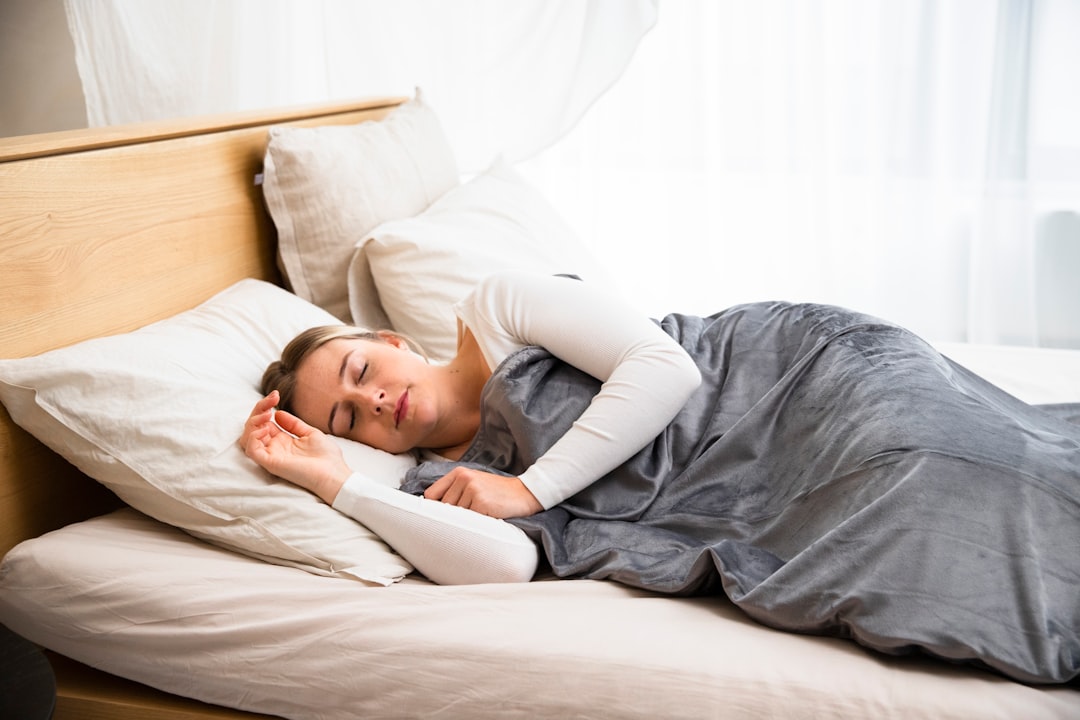
Some might say it’s a hassle to go down, but skipping this step is a gamble with your sleep quality for years. The one exception? If you’ve slept on an identical model at a friend’s place and loved it, then maybe you can proceed with confidence. Otherwise, your body’s feedback in that showroom is the most reliable spec sheet you’ll get.
Mattress materials face constant 80%+ humidity, which can degrade lower-quality foams. Memory foam should be certified for low moisture absorption, while natural latex is inherently more breathable. Ensure the mattress cover uses a performance fabric like Crypton to resist mould and allow airflow. Proper foundation with ventilation gaps under the bed extends mattress life significantly.
Memory foam mattress compression rate: evaluating long-term support
The price tag on a mattress isn't just about comfort; it's your direct line to controlling what you're breathing in for the next decade. For side sleepers, especially those who are pregnant and need to stay on that left side, that initial chemical smell from a new bed isn't just a nuisance—it's a genuine concern you want to minimise. Your budget bracket dictates exactly how much control you get.
Below the $1,500 mark, you're primarily in memory foam territory. You'll find decent pressure relief for your shoulders and hips, which is non-negotiable. Many models now include some form of odour-control treatment, like a charcoal-infused cover or a gel layer, to help that new-foam smell dissipate faster. It's a practical start, but the core material is still conventional foam, which can feel warmer and may have a more noticeable off-gassing period. Expect to air it out thoroughly in a well-ventilated room for at least a week.
Crossing the $2,000 threshold changes the game. This is where hybrid designs with natural or blended latex layers become a realistic option. Latex, whether Talalay or Dunlop, is renowned for sleeping cooler and having a much fainter, almost non-existent smell straight out of the wrapper. A hybrid that pairs a responsive latex comfort layer with supportive pocketed springs offers that crucial contouring for side sleepers without the deep sink of some pure memory foams. The investment here is in long-term air quality and material stability—these beds are less likely to develop that persistent "old mattress" odour years down the line.
Pushing towards the $3,000 ceiling, you're looking at premium hybrids or even full latex cores. The material purity goes up, and the potential for any chemical exposure goes down correspondingly. You're paying for advanced breathability features, organic cotton or wool covers that act as natural barriers, and a structural integrity that promises consistent support for your changing body. For a pregnant side sleeper planning to use this bed well beyond the nursery years, this bracket is about buying peace of mind as much as it is about buying a mattress.
The one time to reconsider stretching your budget is if you're in a particularly humid, poorly ventilated flat—like a low-floor unit facing a service corridor. In that environment, prioritise a mattress with exceptional breathability and a removable, washable cover to manage moisture, even if it means a simpler construction within your range. A premium bed that can't breathe in a damp room is a compromised investment.
The mattress is boxed and ready to go, but you’ve got three final checks to tick off before the delivery van pulls away. This is where the showroom decision meets your actual HDB flat and your body’s specific needs—skip these, and you risk a costly mismatch.
Firmness isn’t a preference; it’s a function of your hip and shoulder alignment. For side sleepers, especially those carrying extra weight during pregnancy, a medium-soft to medium mattress allows those pressure points to sink in just enough. You want the spine to stay in a neutral line, not sagging or propped up. A mattress that’s too firm will push back on your hips, and you’ll wake up with that familiar ache. The one real exception? If you share the bed with a back sleeper, you might need to compromise on a slightly firmer medium to support their lumbar region—just ensure your shoulder still gets that crucial contouring.
Next, verify the material certifications. That faint new-mattress smell is off-gassing, and for a pregnant side sleeper in a compact 4-room BTO bedroom, low emissions aren’t a luxury. Look for labels like CertiPUR-US or OEKO-TEX—they confirm the foam meets strict standards for volatile organic compounds. This isn’t just about air quality today; it’s about minimising exposure in a space where you’ll spend a third of your time for years to come. Don’t just take the sales brochure’s word for it; ask for the certificate document or check the manufacturer’s website before confirming your order.
Finally, sync the delivery date with your life and your flat’s ventilation. Schedule it for a time when you can leave the mattress unwrapped in a well-ventilated room for at least 48 hours. A west-facing room with afternoon sun can help, but avoid direct, sustained sunlight on the foam itself. If you’re in a humid, low-wind area like a ground-floor unit or an enclosed condo layout, factor in an extra day. That airing period lets the bulk of the initial emissions dissipate before you make up the bed and sleep on it. Getting this timing wrong means you’ll be the one absorbing those fumes—plan it properly.
" width="100%" height="480">Memory foam mattress off-gassing: minimizing exposure for pregnant side sleepers