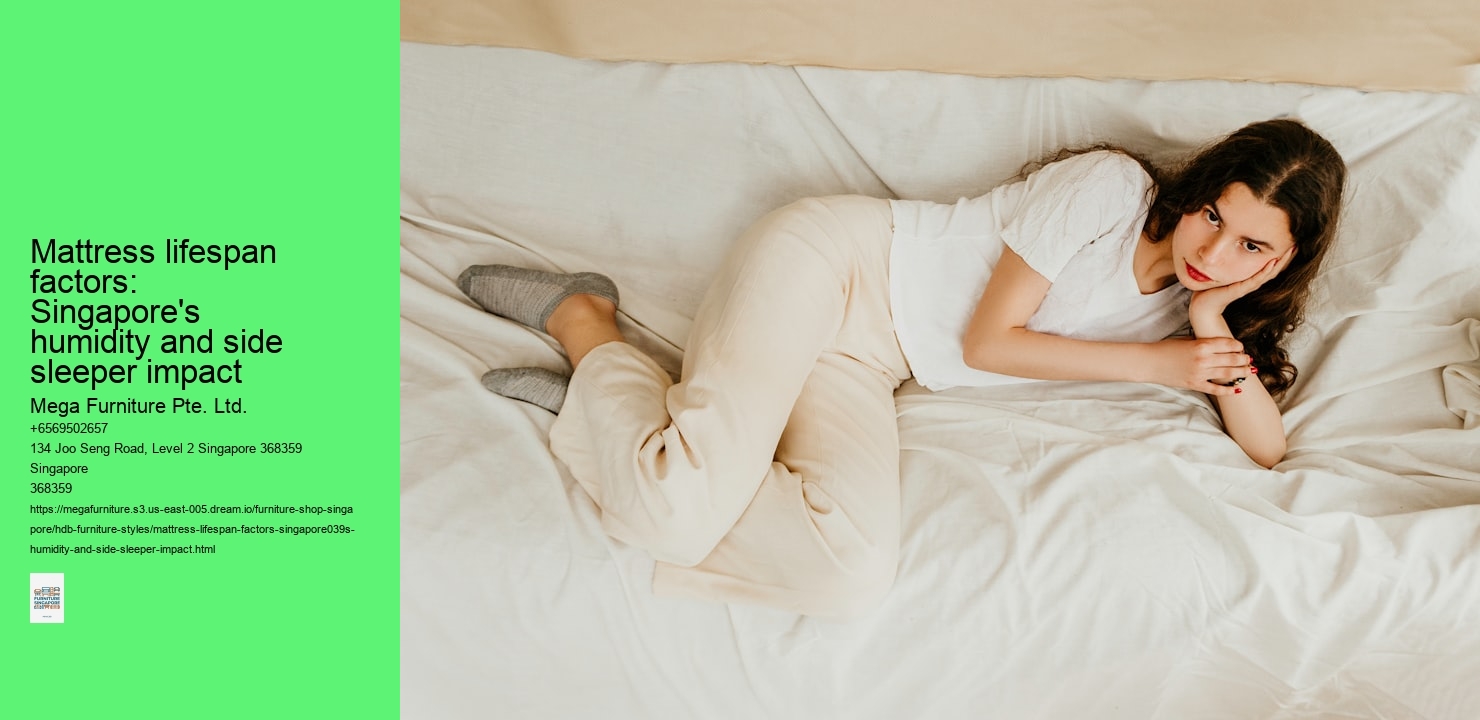
Memory foam, that one really loves to soak up moisture from the air. Our average humidity, which hovers around 80% and climbs even higher during the year-end monsoon, doesn’t just make you sticky—it seeps into the very materials you sleep on. Think about a typical 12 sqm HDB common bedroom, where the air can feel thick enough to slice. Without a fan running or a window cracked, that dampness gets trapped in the mattress layers, and the breakdown clock starts ticking faster.
The science is straightforward: high humidity degrades foam polymers, making them softer and less resilient over time. For side sleepers who rely on thicker, softer comfort layers to cushion shoulders and hips, this accelerated softening is a double blow. The pressure-relieving contour that felt perfect in year one can become a sagging pit by year three, throwing spinal alignment off and bringing old aches back. It’s not just about comfort fading; it’s a structural collapse from the inside out.
Then there’s the mould. A mattress that’s constantly absorbing ambient moisture becomes a prime breeding ground for spores, especially along the bottom where it meets a solid platform bed frame. You might not see it, but a faint musty odour is often the first sign. That’s your investment literally rotting beneath you. Latex generally fares a bit better here due to its natural breathability, but it’s not immune—poor ventilation will get to anything eventually.
So what’s the play? Ventilation is non-negotiable. It’s the cheapest, most effective defence you’ve got. If your bedroom layout allows, choose a bed frame with slats instead of a solid base to encourage airflow underneath. Make a habit of pulling your bedding back for an hour each morning to let the core breathe. And for heaven’s sake, don’t vacuum-seal a memory foam mattress in one of those plastic storage bags for the long term—you’ll be sealing in a humid microclimate that’ll ruin it. The only time I’d skip these steps is if you’re running a dehumidifier in that room 24/7, which honestly, most of us won’t do.
You know that ache in your shoulder when you wake up? The one that feels like you’ve been carrying a weight all night? That’s your mattress telling you it’s too firm for your sleeping position. Side sleepers, which is most of us, create distinct pressure points at the hip and shoulder where the body’s weight is concentrated—a medium-soft to medium feel is non-negotiable for relief. A mattress that’s too hard won’t allow those joints to sink in just enough, leaving them to bear the full brunt and misaligning your spine in the process. It’s a recipe for morning stiffness that no amount of stretching will fully solve.
The contouring layer is where the real work happens. You need a decent thickness of memory foam or latex in the comfort section, not just a thin topper glued onto a rigid base. This deeper cushioning lets your shoulder and hip settle into the material without bottoming out, cradling the joints while keeping your spine in a neutral line. A thin comfort layer is a false economy; it flattens within a year and you’re back to square one, feeling every pressure point against a firm core.
This becomes even more critical for pregnant women advised to sleep on their left side. The added weight and shifting centre of gravity amplify pressure on that hip and shoulder, demanding a mattress that offers both gentle give and consistent support across the entire side of the body. The right mattress for a side sleeper provides that specific, localised contouring—it’s not just about overall softness, but about intelligent zoning that accommodates the body’s natural curves.
The single exception? If you’re a very heavy-set individual, you might find a pure medium-soft mattress lets you sink too far, compromising support. In that case, look for a medium-firm core paired with a generous, high-quality comfort layer—the goal is still contouring, but with a firmer base to prevent that ‘hammocking’ effect. For everyone else, from the average adult to the expectant mother, prioritising that pressure-relieving top section is the clearest path to waking up without the aches.
A mattress warranty outlines what structural defects are covered over the years. These guarantees typically cover frame integrity and core material sagging beyond a certain depth. They usually exclude gradual comfort layer softening, fabric wear, or damage from humidity and sunlight. Reading the warranty details clarifies the long-term support you’re buying.
Mattress firmness levels: side sleeper comfort and support balance
Memory foam is a notorious heat sink in our climate. It contours beautifully to your shoulder and hip, but that same body-hugging action traps your body heat against the surface. You'll feel the difference by the third hour of sleep, especially in a west-facing bedroom that's absorbed sun all afternoon. For a side sleeper already seeking pressure relief, that added warmth can disrupt sleep cycles and lead to frequent turning. The material itself isn't breathable, so the heat has nowhere to go but back into your body.
Humidity around 80% plus doesn't just feel sticky—it gets into things. Traditional memory foam can actually absorb ambient moisture from the air over time, which affects its feel and longevity. This isn't a spill; it's a slow, climatic process that can make the foam feel damp or develop a musty character if the room isn't well-ventilated. A mattress protector helps, but it's a barrier fighting a constant, invisible siege. That inherent absorbency is a core reason foam can feel less resilient after a few monsoon seasons.
Latex, especially the natural kind, is structured completely differently. Its open-cell formation allows air to circulate freely through the material, pulling heat and vapour away from you as you sleep. This creates a distinctly cooler sleeping surface that side sleepers with pressure points will appreciate through the humid night. The material itself resists moisture absorption, so it won't hold onto that damp feeling. You're paying for that built-in climate control, but the long-term comfort payoff in a non-air-conditioned room is substantial.
That superior breathability and durability of natural latex comes with a clear price premium. You're looking at a significantly higher upfront cost compared to a standard all-foam mattress. For the budget-conscious buyer, that's a tough hurdle, even when you factor in a five-year comfort horizon. The value calculation hinges on how much you prioritise sleeping cool over the initial outlay. Synthetic or blended latex options offer a middle ground, but they often sacrifice some of the natural material's best cooling properties.
This is where the combined approach makes a compelling case for most people. A hybrid design layers latex over a supportive foam core, targeting the strengths of each material where they matter most. You get the immediate pressure-relieving and cooling sensation of latex right where your shoulder and hip sink in, while the firmer base foam provides the foundational support. It mitigates the heat issue of all-foam and softens the cost blow of all-latex. For a side sleeper in a typical HDB flat, this layered strategy often hits the sweet spot between contour, climate response, and cost.
It’s a classic Singapore move: you test a mattress in the showroom, decide the firm one feels the most durable, and commit. But that decision often leads to a rude awakening a few months later—literally. For side sleepers, that rock-hard surface doesn’t give way where you need it to, and your shoulder ends up bearing the full brunt of your body weight night after night. You’re not getting a bargain on longevity; you’re signing up for premature discomfort and a mattress that feels like a mistake within the first year.
The physics are straightforward. When you’re on your side, your shoulder and hip need to sink in enough for your spine to stay straight. A mattress that’s too firm won’t allow that compression, so those pressure points get no relief. The result is that familiar morning ache, the kind that has you rolling your shoulder while you wait for the kettle to boil. You might even start sleeping on your back to avoid the pain, which only proves the mattress isn’t right for you.
That’s where the right comfort layer comes in. A medium-soft to medium feel, achieved with thicker memory foam or latex, is what makes the difference. These materials contour properly, cradling your shoulder and hip without letting your midsection sag. It’s that specific give-and-take that maintains alignment. Don’t confuse softness with a lack of support—the firmer base layers are still there doing their job, but the top few inches are doing the critical work for your sleeping posture.
The only time a firmer pick might work is if you’re a very lightweight side sleeper, where your body simply doesn’t generate enough pressure to need deep contouring. For the vast majority, though, prioritising pressure relief over perceived firmness is non-negotiable. Choosing a mattress is one of those rare times where going softer is actually the smarter, more durable choice for your body. You’ll know you got it right when you stop waking up with that stiff, nagging pain—that’s the real test a showroom floor can’t give you.
In a 3-room resale master bedroom, that Queen bed often fills the floor from wall to wall. There’s no space for a mattress that demands a grand perimeter—it has to perform right where it lands, night after night, for years. For side sleepers, this tight squeeze makes the usual advice about a soft top feel risky. You want the cushioning for your shoulder and hip, but a mattress that’s all plush with a weak core will start to sag in the centre, and in a compact room, you can’t just shift over to a fresh spot. You’re stuck with the dip.
The trick is in the layers. Look for a thicker comfort section—memory foam or latex that’s a good few centimetres deep—to properly cradle those pressure points. But underneath, the support core must be unyielding. That firm base stops your spine from bowing downwards over time, which is the real cause of morning aches in a small-space bed. It’s a specific construction: soft on top, steadfast below. Many mattresses labelled ‘medium’ get this balance wrong, offering a uniform feel that’s either too hard on the joints or too soft for alignment.
Don’t be fooled by showroom tests. Lying on a bed for two minutes in an air-conditioned space tells you nothing about how it will behave after 500 nights in your non-square, possibly uneven-floored HDB room. The mattress has to work as a complete system. A common misstep is choosing a topper that’s too thick in an attempt to fix a firm mattress; that just creates a wobbly, unstable surface that still lacks proper support. It’s better to find one unit built with the right gradient from the start.
Commit to a mattress built with side sleepers in mind from its core upwards. The single exception? If you share the bed with a partner who sleeps predominantly on their back or stomach, their needs for firmer support might pull you towards a medium-firm compromise. But for the solo side sleeper in a space where every centimetre counts, that dedicated, layered design isn’t a luxury—it’s what makes the bed last.
" width="100%" height="480">Mattress lifespan factors: Singapore's humidity and side sleeper impactA mattress that feels fine when you sit on the edge for thirty seconds can feel completely different after ten minutes lying in your sleep position. That’s why the bedding setups in a proper showroom are your best tool—you’re not just looking at a mattress on a rack, you’re experiencing how it supports your body under real sleeping conditions. For side sleepers, the test is specific: you need to get into a side-lying position and stay there long enough to feel whether the comfort layers are contouring properly around your hips and shoulders, or if they’re letting your spine sag.
At a showroom, you can methodically compare the progression from medium-soft to medium firmness on actual bed frames. A medium-soft mattress will let your shoulder sink in more deeply, which is often what a lighter-framed side sleeper needs to avoid pressure points. A medium option provides a firmer cradle, better for those with broader shoulders or who want a touch more support to keep their spine aligned. The difference isn't always obvious at first touch; it reveals itself over a few minutes of stillness.
This is where trying the in-house memory foam line makes sense. You can feel how the layers react to your body heat and weight, slowly moulding to your shape. That contouring action is crucial—it’s what relieves the pressure on your joints without creating a hammock effect that throws your spine out of line. On a real bed base, you also get a true sense of the overall height and how easy it is to get in and out of, something you’ll appreciate every morning.

Don’t rush the process. Bring your partner if you share the bed, and both spend time in your dominant sleep positions. Notice if you feel any bridging or if the mattress seems to dip too much. The only time this hands-on approach isn't critical is if you're replacing an identical mattress you already know and love—then, you might order the same model with confidence. For everyone else, especially those managing shoulder pain or expecting a change in their body, that time spent lying down in the showroom is the single most reliable step you can take.
Can a mattress topper solve side sleeper pain? A topper can help for a while, especially if your mattress is too firm. It adds a soft layer for your shoulder and hip to sink into. But it's a temporary fix—if your mattress is old and sagging in the middle, a topper can't restore the lost support underneath. You'll end up with a soft top over a collapsed base, and your spine won't thank you.
How to keep mattress cool in Singapore? Look for materials that breathe. Latex is naturally cooler than traditional memory foam, and many newer foams have gel infusions or open-cell structures designed for airflow. A mattress protector matters too—skip the cheap plastic-feeling ones. Go for a cotton or Tencel blend that wicks moisture instead of trapping your body heat all night.
Which mattress type lasts longest in humid climate? Latex and high-density foam hold up best. Latex is naturally resistant to mould and dust mites, and it doesn't hold heat like old-school memory foam. High-density foams are less likely to soften and sag in the constant moisture. Avoid basic, low-density polyurethane foam—in our humidity, that one can break down faster and feel lumpy within a few years.
Do I need to replace mattress after pregnancy? Not necessarily. The real issue is whether the mattress still supports your changed body and sleep position. Pregnancy and postpartum can shift your pressure points and preferences. If you're waking up with new aches, or if the mattress feels uneven from those months of side-sleeping, then an upgrade makes sense. If it's still comfortable and supportive, you can keep it.
Before you step into the showroom, do the one thing most people forget: pull out the measuring tape. That 152 by 190cm Queen you've got your heart on needs to fit not just in the room, but through the journey there. The tightest squeeze is usually the lift door, which can be as narrow as 90cm. A flexible mattress can snake through, but a rigid bed frame won't bend—if your corridor's a tight turn or your bedroom door's a single-leaf, you might be looking at a staircase carry surcharge. Measure the route, not just the room, and leave a good 5cm buffer for skirting and a bit of wiggle room.
Now, look at the space you've got. A Queen in a standard ~3.5x3m master bedroom is comfortable, but you'll want at least 60cm clearance on the side you get out of. For side sleepers, that space is crucial; you don't want to be squeezing past a dresser every morning, especially if you're dealing with shoulder stiffness. If you're in a smaller common bedroom, a Super Single might be the smarter play. The bed's height matters too—a tall storage frame might be tempting for extra space, but if your ceiling's low or your air-con unit is positioned awkwardly, that lift-up mechanism becomes a daily hazard.
Your budget's a real guardrail, typically sitting between $1,200 and $2,400. That range gets you solid options, but you've got to decide where the money goes. For side sleepers, the priority is that pressure-relieving comfort layer—thicker memory foam or latex—and that's where you shouldn't skimp. A cheaper, firmer mattress might seem like a good deal, but it'll punish your hips and shoulders within months. The frame's material is the next call: kiln-dried rubberwood or plywood will stand up to our humidity far better than particleboard, which can swell and soften over time.
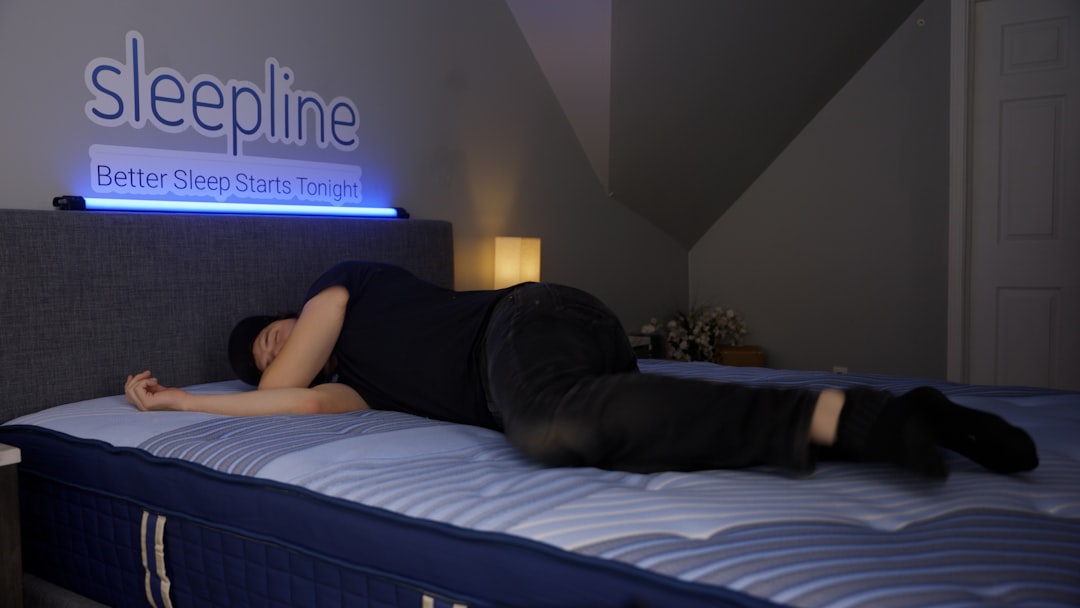
The only time I'd advise against a dedicated side-sleeper mattress is if you're sharing the bed with a back sleeper who needs a firmer surface. That's a genuine compromise. Otherwise, stick to your plan: measure the route, confirm the frame height suits your room, and allocate your budget to the comfort system first. Then you can walk into the showroom knowing exactly what you're there to test, and you won't be swayed by a pretty headboard that blows your budget on the wrong priorities.