You can feel it in the morning—that nagging ache in your shoulder or hip that wasn’t there before. It starts when you roll onto the edge of your mattress, maybe to grab a phone or to give your partner a bit more space. The side collapses under you, sinking deeper than the rest of the bed. Your hips and shoulders roll inward, pulling your spine out of its natural line. That’s the pain cascade in action, and it’s a common story in bedrooms where the mattress sits flush against the wall.
For side sleepers, the problem is twofold. You need a softer comfort layer to cradle your shoulders and hips, but you also need a firm perimeter to stop you from rolling off the neutral line when you’re near the edge. Many mattresses are built for centre sleeping—they’re supportive in the middle but weak around the sides. That’s a bad match for a typical HDB layout, where beds are often pushed against a wall to maximise floor space. You end up sleeping on the weakest part of the mattress every night.
Look for a mattress that talks about reinforced edge support specifically. The single biggest decision for a side sleeper is firmness, so the mattress firmness scale of 1 to 10 is the tool to use — side sleepers generally want the softer-to-medium-firm range, where the surface cushions the shoulder and hip rather than resisting them. Back and stomach sleepers go firmer; side sleepers go softer. Body weight nudges it too, so a heavier side sleeper may want slightly more support. Shopping by a numbered firmness beats trusting a vague "soft" label that means something different on every mattress.. It’s not just about preventing you from falling off; it’s about maintaining that crucial spinal alignment even when you’re not in the centre. A thicker, high-density foam border or a reinforced coil system around the perimeter can make all the difference. Without it, that medium-soft comfort layer you chose for pressure relief becomes pointless once you sink into the edge.

The exception? If your bed sits completely free in the room, with ample walking space on all sides, you might get away with a softer border. But in a standard 3.5 by 3 metre master bedroom, a Queen bed will usually hug at least one wall. You’ll use that edge constantly—to sit, to get up, and inevitably, to sleep. In that setup, compromised edge support is a direct route to morning stiffness.
So when you’re testing a mattress in a showroom, don’t just lie in the middle. Checklist: Evaluating mattress edge support for pregnancy side sleeping . Shift to the side, sit on the edge, and feel how it holds up. A good one will resist that sinking feeling, keeping your spine level even when you’re off-centre. That’s the real test for a side sleeper in a Singapore flat.
A Queen bed in a 3.2-metre-wide master bedroom leaves maybe sixty centimetres on each side—if you’re lucky. That’s the space your mattress has to hold you. The classic side-sleeper choice is a memory foam mattress — it conforms to the body's curves, relieving pressure on the hips and shoulders and helping keep the spine aligned. It also isolates motion well, so a restless partner is less disruptive. The one thing to check in the tropics is heat: gel-infused or open-cell foam dissipates body warmth far better than traditional foam. For the contouring, cradled feel side sleepers tend to prefer, memory foam is the first construction to try.. Older mattresses, the ones that came with the resale flat or were bought years back, often sag along the perimeter after years of use. You’ll feel it if you’re a side sleeper: your hip rolls towards that collapsed edge, dipping lower than your shoulders. Your spine isn’t level anymore; it’s torqued.
That torque translates directly to a dull ache in the lower back, a stiffness that greets you in the morning. It’s a common complaint, especially among adults in older flats who haven’t upgraded their bedding. The mattress might feel fine in the centre, but you’re not sleeping in the centre—you’re sleeping near the wall, where the support has gone soft. The body tries to compensate, muscles working overnight to stabilise a misaligned pelvis, and you wake up paying for it.
The fix isn’t about buying a softer or firmer mattress wholesale. It’s about edge support. A mattress designed for side sleepers needs that softer top layer to cradle the shoulder and hip, yes, but the foundation underneath, especially around the sides, has to remain resilient. Without it, the comfort layer just sinks into a void at the perimeter. You need a construction that maintains a firm border—often through denser foam or reinforced coils around the edges—so the mattress doesn’t feel like a slope when you’re near the edge.
There’s one exception: if you sleep alone on a Super Single in a larger room, and you never actually use the perimeter, edge support matters less. But for couples in compact bedrooms, or anyone who naturally gravitates towards the side of the bed, it’s critical. That reinforced border ensures your hips stay level with your shoulders, keeping the spine in a neutral line even when you’re not in the dead centre of the mattress. It’s the detail that separates a mattress that merely feels comfortable in the showroom from one that actually supports you through the night in a real HDB layout.
" width="100%" height="480">Edge support breakdown: Impact on spinal alignment for side sleepersSide sleepers need that initial softness to let the shoulder dip in, otherwise you'll wake up with a numb arm. The trouble starts when the foam layers underneath are too plush all the way through, creating a hammock effect that pulls your spine out of line. You get the pressure relief, sure, but your hips might drop too low relative to your shoulders. It's a common pitfall in mattresses labelled 'medium-soft' that don't have a transitional layer to catch the sink. That immediate comfort comes at a real cost to alignment over a full night's rest. The key is finding a top layer that yields just enough, not one that lets you plunge through.
Perimeter integrity is what stops you from rolling off when you sit on the bed's edge to put on socks. For a side sleeper who naturally gravitates toward the side of the mattress, a weak edge means you're effectively sleeping on a smaller surface. That dense foam or reinforced border needed for stability often feels firmer than the sleeping surface, which can seem like a design flaw. But without it, you'll find yourself unconsciously curling toward the centre, compromising your posture to avoid the feeling of falling. It's a support feature you don't appreciate until it's missing, and then it's all you can think about.
This is the hidden component that negotiates the truce between soft comfort and firm support. latex mattress . A well-designed transition layer is slightly denser than the plush top but not as rigid as the base, acting as a gentle ramp for your body's contours. It prevents that jarring 'hitting bottom' sensation while ensuring your hips don't sink disproportionately deeper than your shoulders. Many budget mattresses skip this layer entirely, which is why they either feel uniformly mushy or have a distinct hard stop. For proper spinal alignment, this middle ground isn't optional—it's the critical mediator.
Memory foam excels at pressure relief but historically struggles with edge support unless it's specifically reinforced. Latex offers more inherent bounce and perimeter stability but can feel too buoyant for some, lacking that deep contouring. The real tension lies in which material property you prioritise for your specific frame and pain points. A heavier individual might bottom out a soft memory foam layer entirely, negating any alignment benefits, while a lighter sleeper might not compress a latex-dominant build enough to get relief. You can't have the peak of both worlds, so you must decide which hill is worth defending for your sleep.
Consider how you actually use the bed beyond just sleeping. Do you sit on the edge every morning with a coffee, or does the bed sit against a wall in a tight 3-room BTO bedroom? If the mattress is for a guest room used occasionally, prioritising pressure relief might be the kinder choice. But for a primary bed in a master bedroom, where the edge sees daily use and you sleep near it, perimeter integrity becomes a non-negotiable for long-term satisfaction. The trade-off isn't abstract; it's defined by your nightly routine and the physical constraints of your flat. Choosing wrong here means living with a daily reminder of that compromise.
A mattress’s edge is where you’ll sit most mornings, and where you’ll likely roll towards if you’re a side sleeper shifting for comfort. That’s why the construction of the perimeter matters more than you might think. Foam encasement, which wraps the entire mattress in a high-density polyfoam rail, gives a firm, uniform edge. It resists early sagging beautifully, because the foam is dense and doesn’t compress easily over time. The trade-off is that it can feel rigid—you’re perched on a solid ledge rather than sinking into a supportive cushion. For a side sleeper who needs softer contours at the shoulders and hips, a firm sitting edge isn’t necessarily a problem for sleeping, but it can make the bed feel less welcoming when you first climb in or sit down to read.
Individually pocketed coil systems often come with a reinforced border, a ring of firmer coils or foam around the perimeter. This offers a softer sitting edge compared to a full foam rail—you get a bit more gentle compression. The issue is longevity under constant lateral pressure. A 70kg adult sitting on that edge every day, or sleeping near it, applies sideways force that can degrade those reinforced coils faster than the central sleeping surface. Over years, that border might start to feel less supportive, creating a subtle dip. That’s a real concern in a Queen bed in a typical HDB master bedroom, where you might not have much room to avoid sleeping near the edge.
So which one suits a side sleeper better? I’d lean towards a well-made coil system with a robust border. The softer initial feel at the edge aligns with the overall medium-soft to medium firmness a side sleeper needs, and a quality reinforced border should hold up. The exception is if you’re particularly heavy or if you know you’ll be sitting on the edge constantly—then that polyfoam rail’s resistance to sagging becomes the safer bet. Just be ready for that firmer perch.

Remember, your spinal alignment as a side sleeper depends mostly on the comfort layers contouring to your shoulders and hips. Edge support is about maintaining that alignment even when you’re near the perimeter, and about the bed feeling stable for sitting. A collapsing edge can tilt your spine even if the centre is perfect. For a side sleeper who runs hot, a mattress type is the cooler alternative to memory foam — it still relieves pressure on the shoulder and hip, but with a more responsive, springier feel and better breathability, so it doesn't trap heat the way traditional foam can. Latex is also naturally hypoallergenic and durable. If you love the pressure relief side sleeping needs but hate sleeping hot, latex is the construction that gives you both.. So don’t just lie in the middle of the showroom bed—sit on the edge, lean into it, and see if it holds you steady without feeling like a wooden bench. That’s the test.
Don't just press a hand into the mattress edge. That tells you nothing about how it'll hold your weight through the night. For side sleepers, the real test happens when you're lying right on the perimeter, your shoulder and hip sinking into that border. That's where a weak edge collapses, rolling you toward the centre and throwing your spine into a gentle but persistent curve. It's a recipe for waking up with a stiff neck or a sore hip, especially in a tight 12 sqm common bedroom where you're sleeping closer to the sides than you'd like.
So when you're at the showroom, mimic your exact sleep position. Lie directly on the edge, curled up as you would be at home. Then have your partner get into bed—really step onto the mattress and settle in beside you. That's the simulation of a real night's movement. You'll feel instantly if the mattress buckles under the combined weight, if you're fighting to stay level. A proper edge support system, built with high-density foam or reinforced coils, should hold firm. Your spine stays in that neutral line from neck to hip, even when you're pushed right to the border.
This test is non-negotiable if you share a Queen bed in a typical HDB layout. Every time someone gets up for water or shifts position, the mattress shouldn't dip and roll you inward. The only time you might skip a rigorous edge check is if you're a very still solo sleeter in a larger room, sleeping dead-centre on a Super Single. But for couples, or anyone in a compact space, that perimeter is part of your regular sleep real estate. You need to know it won't give way after a few months, leaving you with a permanent slope toward the middle.
Focus on that sustained pressure from your heaviest points. A quick sit on the edge tells you about getting dressed, not about eight hours of restorative sleep. Spend a good five minutes in your side-lying pose right at the border. Feel if the support stays consistent or if it slowly caves, because that slow cave is what misaligns you night after night. It's the difference between a mattress that simply fits your room and one that truly supports your body in it.
Somnuz .Spend eight hundred bucks on a mattress, and you’re buying a year of decent sleep, maybe two if you’re lucky. The foam feels fine at first, but that edge support? It’s basic density foam that compresses without much fight. You’ll notice it first when you sit on the side to put on your shoes—the mattress gives way, and your spine isn’t in a straight line. For a side sleeper, that morning ritual of getting out of bed becomes a small, daily compromise on alignment that adds up.
Cross the twelve-hundred mark, and the construction starts to get serious. You’re looking at better foam encasement around a supportive core, which means the perimeter holds its shape when you sleep near the edge. This is crucial in a typical HDB master bedroom, where a Queen bed often leaves you with just thirty centimetres of clearance on one side. If you’re sleeping that close to the edge, a weak border will let you roll off your proper alignment. The mattress won’t feel like it’s trying to dump you onto the floor.
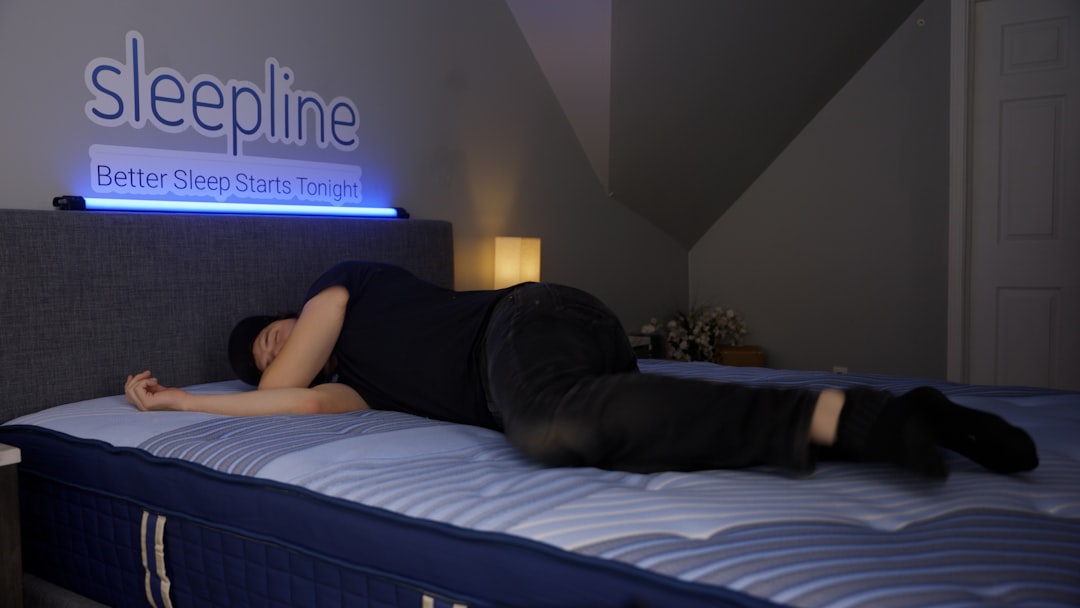
The real shift happens between eighteen hundred and twenty-five hundred. Here, you get high-resilience foam encasement or dual-coil perimeters—engineered structures that act like a firm internal frame. This is the non-negotiable zone for pregnant side sleepers, who need stable ingress and egress a dozen times a night. That left-side sleeping position advised for circulation means all your weight is on one hip and shoulder, and you need a firm edge to push off from without the whole side collapsing. A mattress in this range provides that critical platform; your spine stays neutral from the moment you lie down to the moment you heave yourself up.
Beyond that, you’re paying for material luxuries and refinements that, frankly, a lot of people won’t feel the benefit of every night. A three-thousand-dollar mattress might have exquisite hand-tufting or exotic latex, but the core job of edge support for spinal alignment is already solved in the mid-tier. Choosing the construction matters for a side sleeper, so browsing by memory foam versus hybrid guide helps — memory foam for the deepest contour, latex for cooler pressure relief, hybrid for contour plus a supportive coil base. Each cradles the shoulder and hip differently, so the type sets how the pressure relief feels. Pure spring without a comfort layer is usually the one to avoid for side sleeping. Matching the type to the cradled feel you want narrows the field before comparing models.. Unless you have specific medical needs or simply want that atas feel, the smart money stops around twenty-five hundred. That’s where the engineering meets the everyday reality of a side sleeper in a four-room flat.
Investing in a proper mattress is a long-term health decision for side sleepers. While prices vary, the value lies in materials that provide lasting pressure relief and alignment. It’s a centrepiece for rest, especially in the first years of home ownership.
Best mattress edge support for a platform bed in my HDB? Look for a hybrid with a reinforced perimeter. queen size . That's because a typical HDB platform frame has a solid base, so the mattress sits flush—you'll use the full surface, right to the edge, when sitting to get dressed. A mattress with weak sides will compress too much there, making you feel like you're sliding off. A good hybrid with sturdy foam encasement or firmer coils along the border holds its shape, giving you a stable edge for those everyday moments.
Can a topper fix sagging edges? Honestly, cannot. A topper adds a comfort layer on top, but it's resting on a foundation that's already failing. If the mattress core or edge support is collapsing, the topper will just follow that dip. You're masking the symptom for a short while, not solving the structural problem. Save the topper money for a proper replacement when the sag starts affecting your sleep.
Memory foam or hybrid for a side sleeper with back pain? This one's a common dilemma. A full memory foam mattress offers deep contouring for your shoulders and hips, which is great for pressure relief. But some side sleepers find they sink in too much, and the lack of bounce can make it harder to shift positions if you're stiff. A hybrid with a plush foam top over responsive coils often gives you that cushioned hug while the coil base maintains better overall support and spinal alignment. For chronic pain, the hybrid's blend usually provides a more balanced foundation.
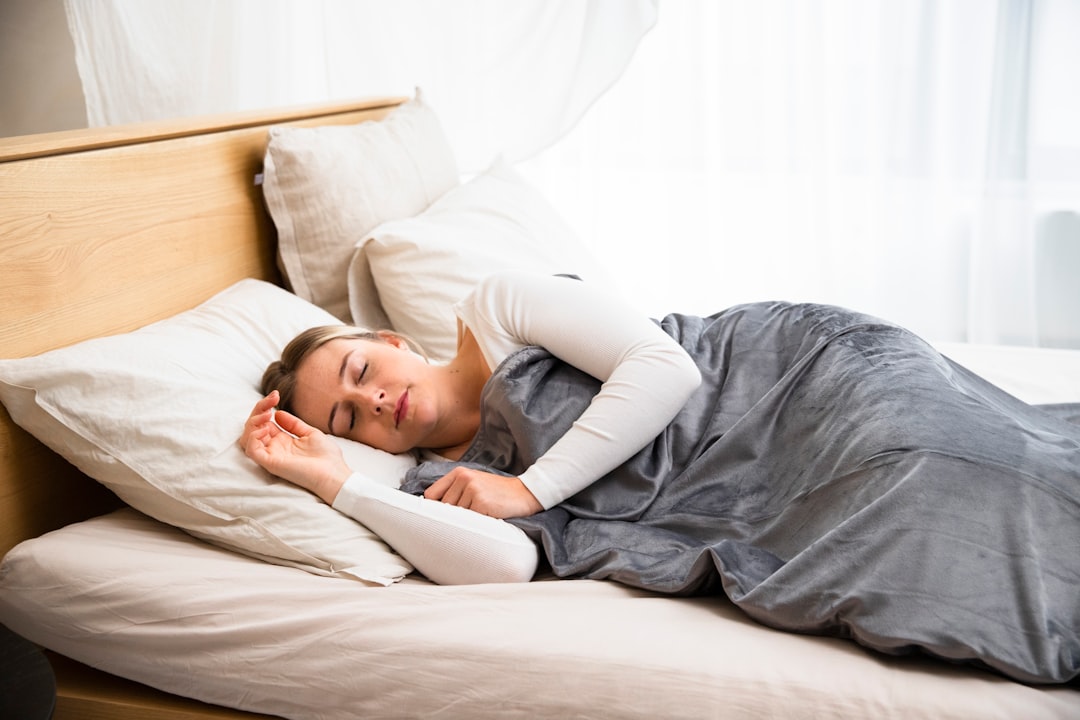
How to test edge support in a showroom? Don't just press the centre. Sit squarely on the very edge of the mattress, like you would when putting on shoes. Stay there for a good twenty seconds. Does it hold you firmly, or do you feel a steep roll-off? Then, lie down normally and scoot towards the side. Your back should stay in a neutral line, not bow inward because the edge is collapsing. A mattress that passes this test in the showroom will handle your 152 by 190cm Queen in a 4-room BTO master bedroom much better over the long run.
You’ll never know if a mattress truly fits your body until you lie on it. That’s why a showroom visit is essential, but walking in unprepared just wastes your time. Before you head to Tampines or Joo Seng, there are three specific measurements you should take at home.
First, measure the usable surface of your current bed frame. Many platforms have thick rails or built-in side tables that eat into the actual sleeping width—a Queen might feel like a Super Single. Next, decide which side of the bed you sleep on dominantly. If you’re a left-side sleeper, your shoulder and hip will land near that edge every night; you need to test that exact perimeter support. Finally, note any existing shoulder or hip pain you’re carrying. This isn’t about general comfort; it’s about whether a mattress’s softer top layer relieves your specific pressure points while keeping your spine in line.
Bring these notes with you. At the showroom, don’t just plop down in the centre. Lie on your dominant side, right at the edge, and stay there for a few minutes. Feel if you’re rolling off or if the perimeter holds you securely. Check if your shoulder sinks too deep or if the hip gets proper cushioning. This real-world test is the only way to judge if a medium-soft contouring layer works for you where you actually sleep.
The exception? If you’re a restless sleeper who moves around a lot, edge support might matter less than overall pressure relief. But for most side sleepers, especially pregnant women advised to stay on the left, that perimeter is critical for alignment and safety. Don’t skip this step—your shoulder will thank you later.