
You open the door to that 12 sqm common bedroom, and the scent hits you. It’s not the fresh, clean smell of a new space—it’s a sharp, chemical tang that hangs in the air, thick enough to taste. This is off-gassing, and in a closed-up HDB room, it doesn’t just vanish overnight. The windows are shut, the air-con’s off, and that new mattress sits there, quietly releasing compounds from its foam layers into the still air. Two days later, you check again, and the odour is still there, a stubborn guest that won’t leave.
That lingering smell is a signal, not just an annoyance. For side sleepers, who need a mattress to contour gently at the shoulders and hips, the comfort layers are often thicker and made from materials like memory foam or latex. These are the layers that can off-gas the most. The process is normal—new foam needs to release trapped gases—but in Singapore’s often humid and poorly ventilated bedrooms, it can stretch from a few days to a couple of weeks. You can’t just air it out quickly when the room’s windows face another block or when the monsoon rain keeps them shut.
There’s a practical fix, though. Don’t seal the mattress in plastic after delivery; that traps the fumes. Unwrap it immediately in the room, then leave the windows open as much as you can, even just a crack. Run a fan to circulate air, not necessarily an air-con, which just recirculates the same air. The goal is to flush the room, not just cool it. If the smell is particularly strong and doesn’t improve after a week, that’s a sign the materials might be lower-grade—the off-gassing period for quality foams is typically shorter.
The exception? If you’ve got a newborn or someone with severe respiratory sensitivities sleeping in that room immediately. Then, you might need to delay moving in, or consider a mattress that uses natural latex, which tends to off-gas less and faster. But for most people, that initial smell is just a temporary phase. It’s a trade-off for the pressure relief a proper side-sleeper mattress provides. Just don’t ignore it if it lingers for weeks; that’s not normal one.
In a condo, the windows don't open wide enough to let a breeze through—they're sealed for energy efficiency and to keep the air-conditioning's cool air in. That's great for lowering the electricity bill, but it means fresh air has nowhere to go. The ventilation often relies on a central system recirculating the same indoor air, so any new smells just linger.
Think about it: you bring home a new mattress, and it has that faint chemical scent from the manufacturing process. In a landed house with big windows, you could prop them open for a few days and let it dissipate. In a condo, you're stuck with whatever the air-con ducts cycle back to you. That trapped air means the off-gassing compounds—those VOCs—hang around longer, because they aren't being flushed out by a proper crosswind.
For side sleepers, this matters more. You're spending hours each night with your face close to the mattress surface, breathing in that air. A good mattress for side sleepers needs softer comfort layers, which often use memory foam or latex that can have a stronger initial odour. Without proper ventilation, that initial phase extends. It's not just about the smell; it's about prolonged exposure in your immediate breathing zone while you're trying to get the pressure relief your shoulders and hips need.
The exception is if your unit has a dedicated balcony door you can leave open, but even then, the main living and bedroom areas might not get that direct airflow. Most layouts don't allow for it. So when you're choosing that medium-soft mattress, you've got to factor in your ventilation reality. A landed property might clear the air in a week; a typical condo could keep it circling for much longer.
Thicker pressure-relief layers typically use higher-density foam to achieve that soft yet supportive cradle. Density here isn't just about firmness—it's a measure of how much material is packed into every cubic foot, which directly influences longevity and comfort. A denser foam contains more polymers and chemical compounds per volume, and these are the sources of the initial odour release. That extra material needs more time to fully stabilise after the manufacturing process, which extends the period you might notice a faint chemical smell. For side sleepers, that density is crucial for preventing the shoulders and hips from sinking too far and misaligning the spine, but it's a trade-off you'll encounter in the first few weeks.
The simple physics is undeniable: a thicker comfort layer means a greater volume of material in your mattress. Whether it's memory foam or latex, that larger block contains more of the volatile organic compounds that are released as gases during the initial breakdown period. A thin, one-inch top layer might off-gas its limited inventory of these compounds within a week or two in a well-ventilated room. A three- or four-inch layer, necessary for proper hip and shoulder accommodation, holds a reservoir that takes longer to fully dissipate. This isn't a defect; it's just the reality of using a substantial amount of engineered material to solve a specific physical problem.
Deep contouring is what makes a mattress work for side sleepers—it allows the shoulders and hips to press in without meeting a hard, unyielding base. Achieving that depth requires the foam or latex to be both soft and thick enough to compress significantly under those pressure points. The process of compression and recovery involves more internal movement and air exchange within the material's structure, which can initially accelerate the release of any residual manufacturing odours. A shallow layer simply doesn't have the same internal capacity for this micro-environment, so its off-gassing phase is shorter and often less noticeable. The comfort you need comes with this temporary, mostly harmless, side effect.
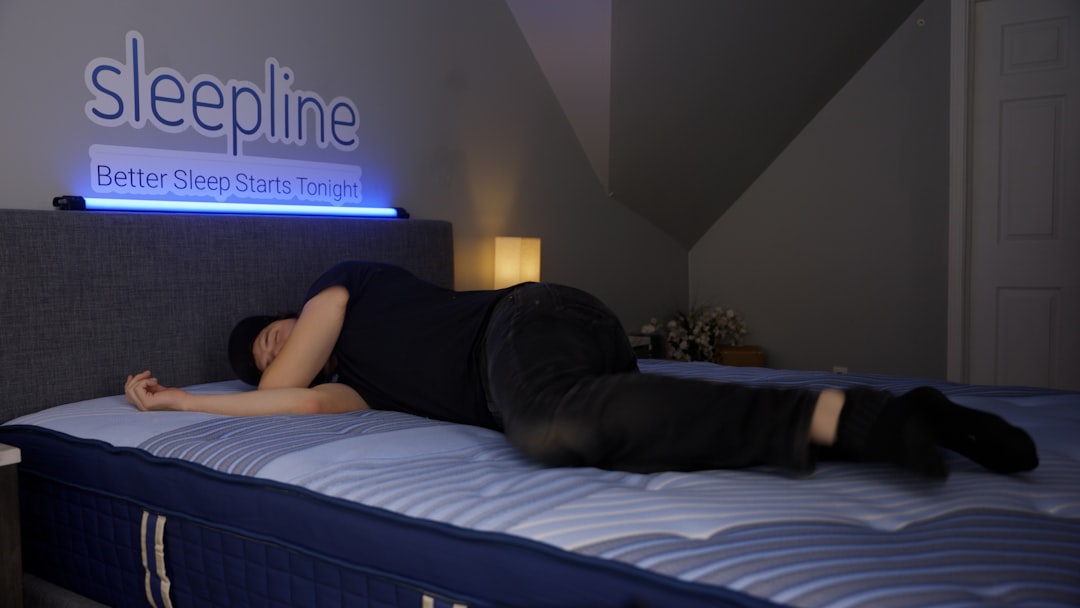
A thicker slab of foam or latex is less permeable than a thinner one, slowing the natural air exchange that helps odours dissipate. The core of a deep comfort layer is further from the mattress surface and the circulating air in your room, creating a kind of bottleneck for ventilation. In Singapore's often humid climate, where you might not open windows as frequently, this internal stagnation can prolong the time it takes for any scent to fully clear. It's not that the material is inherently worse; it's that its beneficial structure for pressure relief also creates a slower pathway for those initial gases to exit. Proper unpacking and a few days of airflow in a dry room usually resolves it completely.
The manufacturing processes that create these advanced foams involve complex chemistries to achieve the desired viscoelastic or responsive properties. These reactions don't fully conclude at the factory door; a final, gradual breakdown of residual compounds continues in your home. A larger volume of material means a larger total quantity of these compounds undergoing that final breakdown phase. This post-production settling is what produces the temporary odour, and its duration scales with the amount of material present. For the side sleeper seeking relief, the choice is effectively between a thinner layer that might not provide adequate pressure relief and a thicker one that requires a bit more patience during the initial setup.
You can tell the difference straight away when you lie down. Latex has a kind of gentle bounce that supports you without that deep, slow sink-in feeling of memory foam—it’s more responsive, and that’s a big part of why it feels safer for many side sleepers. The hips and shoulders need pressure relief, but they also need the mattress to push back a little to keep everything aligned. Latex does that naturally, while some synthetic foams can let you settle too deeply, which over time might pull your spine out of its neutral line.
The other safety factor is what you’re breathing in night after night. Natural latex certified for low emissions typically has a much cleaner profile than standard memory foam, which is a petroleum-based product and often needs more chemical additives to achieve its feel. That initial off-gassing smell from a new foam mattress—that chemical odour that can linger for days—is far less pronounced with a good latex core. In a humid climate where bedroom windows might stay closed against the rain, you really want the air around you to be as clear as possible, especially for anyone with sensitivities or during times like pregnancy.
Breathability plays into this feeling of safety too. Latex’s open-cell structure naturally allows more air circulation than the denser, heat-trapping composition of many synthetic foams. You won’t get that sticky, overheated feeling in the middle of the night, which means you’re less likely to toss and turn and disrupt your posture. For side sleepers who already need a softer surface, staying cool is a non-negotiable part of staying comfortable and supported.

There’s one clear exception: if you absolutely crave that classic, enveloping “hug” of memory foam—the sensation of sinking in and being held motionless—then latex’s quicker response might not feel right to you. It’s a distinct tactile preference. But for the majority who prioritise a cooler, more supportive, and chemically quieter sleep, the natural option brings a peace of mind that synthetic alternatives often can’t match.
Humidity in Singapore isn't just about sticky skin or frizzy hair—it fundamentally alters how a new mattress behaves. That fresh chemical scent, the off-gassing, doesn't just fade away in a week here. Our constant high moisture levels, often around 80%+, act like a catalyst, accelerating the initial release of volatile compounds from foam layers. It’s a double-edged sword: the process starts faster, but it can also linger longer, creating a more pronounced and prolonged period where those smells are noticeable in your bedroom.
This interaction is particularly relevant for side sleepers, because the materials we rely on for pressure relief are often the culprits. Thicker memory foam or latex comfort layers, essential for shoulder and hip contouring, contain more of these compounds. In a dry climate, they might off-gas steadily over a month. In our humid air, the moisture penetrates the material, swelling it microscopically and forcing those chemicals out more aggressively in the first fortnight. You’ll notice it more, especially in a smaller HDB common bedroom where ventilation might be limited.
There’s a counterintuitive point here: ventilation is your best defence, but our weather often discourages it. Opening windows during the year-end monsoon or on a typical rainy afternoon feels counterproductive, yet it’s crucial. A closed-up 4-room BTO master bedroom with a new queen mattress becomes a perfect chamber—humidity stays high, and the released compounds just hang in the air. You need to create airflow, even if it means using the air conditioner on dry mode or a dehumidifier for the initial break-in period. Letting the mattress breathe is non-negotiable.
The exception? Natural latex. It’s derived from rubber trees and typically undergoes a cleaner manufacturing process, so its off-gassing profile is different. Even in high humidity, the release is far less pronounced and often shorter-lived. For a sensitive sleeper—someone with allergies, a pregnant woman advised to sleep on the left side, or anyone simply wary of chemical exposure—this material becomes a serious consideration. It’s not a magic bullet, but the difference in that first month is tangible.
So the takeaway is blunt: you can’t judge off-gassing timelines from overseas reviews or dry-climate advice. Our environment rewrites the rules. Plan for a longer airing-out period, prioritise materials with a cleaner base, and accept that the initial phase might be more noticeable. It’s the reality of bringing any new foam-based product into a tropical home.
You can’t tell if a mattress will cradle your shoulder properly just by looking at the label. Firmness is a personal thing—what feels medium-soft to one person might feel like a plank to another. The only way to know is to get on it. That’s why a trip to a showroom is non-negotiable for side sleepers. You need to spend at least ten minutes lying down in your usual sleeping position, letting the foam settle and contour around your hip and shoulder. A quick bounce test won’t reveal how it feels after an hour.
Pay close attention to any initial scent when you press your face close to the fabric. New foam can have a faint chemical smell—some call it off-gassing—that dissipates in a week or two once aired out in your flat. But if the odour is strong and sharp right there on the showroom floor, that’s a sign it might be more persistent. For anyone sensitive to smells, especially pregnant women advised to sleep on their side, this sniff test is crucial. You don’t want to be wrestling with a lingering smell in your own bedroom.
The Joo Seng and Tampines showrooms are spacious enough to let you properly test a Queen-sized bed without feeling rushed. Bring your partner if you share the bed; their weight and sleeping style will change how the mattress behaves. Try rolling from side to side, and see if the edge support feels solid when you sit on the perimeter to read or get up. A mattress that’s too soft might let you sink in comfortably at the centre, but then feel unstable at the edges.
I’d only skip this visit if you’re buying the exact same model you already own and love. Otherwise, you’re guessing. And guessing on a mattress that you’ll spend years on is a risk. The time spent on an afternoon trip is nothing compared to the regret of a bad night’s sleep every night. Just go.
The mattress smell is a real thing here, and the humidity makes it linger longer than you'd think. Off-gassing from a new mattress can last a couple of weeks in a normal flat, but in a poorly ventilated room during the monsoon months, that faint chemical scent might hang around for a month or more. You'll want to air it out properly—keep windows open, maybe even run a fan for a few days. It's a small nuisance, but it's temporary; the smell will fade eventually, and it doesn't mean the mattress is bad.
Which mattress is best for pregnant side sleepers? Look for something that supports the extra weight and shifting pressure points without being too rigid. A medium-soft to medium firmness usually works, one that cushions the hips and shoulders but still keeps your spine aligned. Latex or a good hybrid mattress can offer that gentle contouring plus the bounce you need to reposition easily during the night. The key is a surface that adapts without letting you sink in too deep.
Memory foam mattress safe for babies? Generally, yes, but with a caveat. The material itself is safe, but you need to watch the firmness and the heat. A baby's mattress should be firmer than what an adult side sleeper would choose, for safety reasons. And memory foam can trap body heat—in a humid Singapore room, that might make a little one uncomfortable. So if you're considering one for a child's bed, go for a model with good airflow or a cooling layer.
How to choose mattress firmness for shoulder pain? This one's straightforward: you'll likely need a softer comfort layer. A too-firm surface pushes right back against your shoulder, creating pressure points that can worsen the ache. A medium-soft mattress, with a thicker top layer of memory foam or latex, lets the shoulder sink in just enough to relieve that pressure while keeping your hips and spine in line. The only time you'd go firmer is if your shoulder pain is from a very specific condition where your doctor recommends more support—otherwise, softer is better for side sleepers with sore shoulders.
" width="100%" height="480">Mattress off-gassing: Minimizing risks for sensitive side sleepersYou’re in the showroom, lying on a mattress that feels fine, but you’re not sure what to look for beyond the initial comfort. For side sleepers, that’s a recipe for waking up with shoulder pain later. Don’t just lie there—ask questions.
Start with posture alignment. When you’re on your side, ask the staff if they can observe your spine. It should run straight, not dipping at the hips or shoulders. You’ll want a mattress that cushions those pressure points without letting your middle sag. A common mistake is choosing a firmness that feels supportive initially but doesn’t contour enough—your hips need to sink in a little, but your spine shouldn’t curve. If you’re alone, try placing a hand on your lower back; you should feel a gentle, even curve, not a gap or a hard push.
Then, pay attention to the smell. A faint new-material scent is normal, but a strong chemical odour can signal off-gassing that might bother sensitive sleepers. Ask about the materials used in the comfort layers—specifically, whether they’re certified low-emission or have been aired before delivery. You don’t want a mattress that makes your bedroom smell like a factory for weeks. If it’s a memory foam or latex model, inquire about the manufacturing process; some brands bake out volatiles before shipping.
Finally, test the resilience of the comfort layer. Press your hand firmly into the spot where your shoulder would land and watch how it recovers. A good layer for side sleepers will compress deeply to relieve pressure but bounce back slowly, not instantly. That slow recovery means it’s contouring, not just pushing back against you. If it springs back immediately, it’s likely too firm for proper pressure relief. Ask about the density and thickness of that top layer—a thicker, medium-soft foam or latex is what you’re after. Anything thinner or higher-density won’t cradle you properly over the years.
Mattress size directly impacts fit in HDB and condo bedrooms. A Queen size (152x190cm) fits most master bedrooms, leaving crucial walking space. Remember to measure your room's exit side—you need about 60cm clearance to move around comfortably. Always check the mattress can pass your lift door, which is often the tightest point at around 90cm wide.
A mattress warranty protects your investment but has specific limits. It typically covers frame integrity and material defects, not gradual softening from use. Humidity or sun damage are usually excluded, so proper care is still your responsibility. Always read the terms to understand what's covered for the full warranty period.